
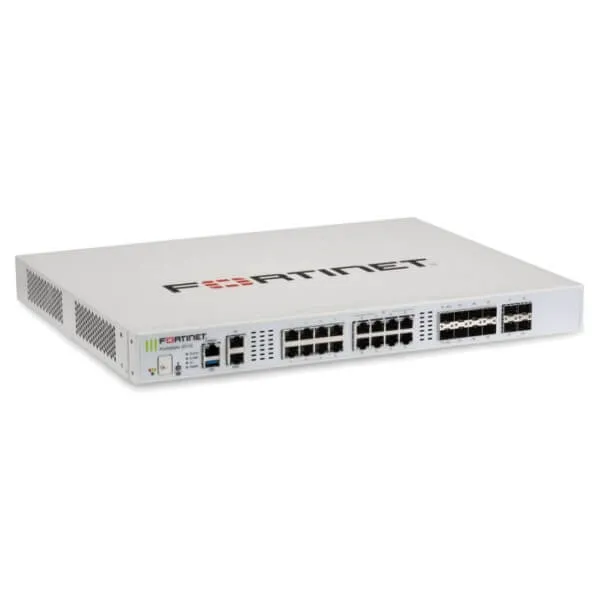
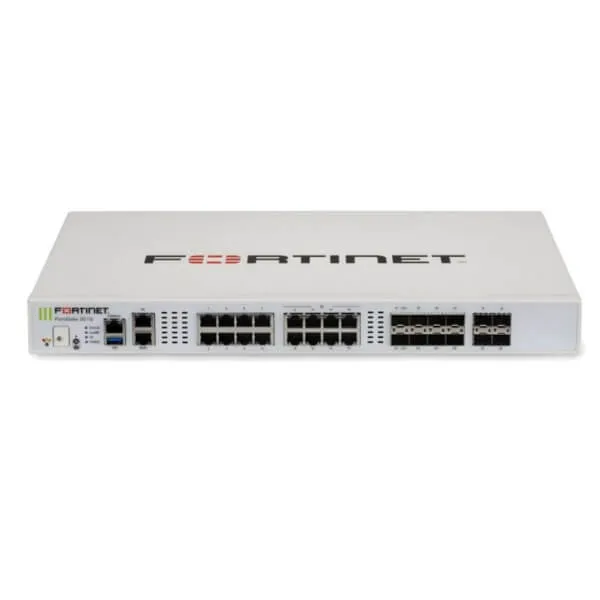
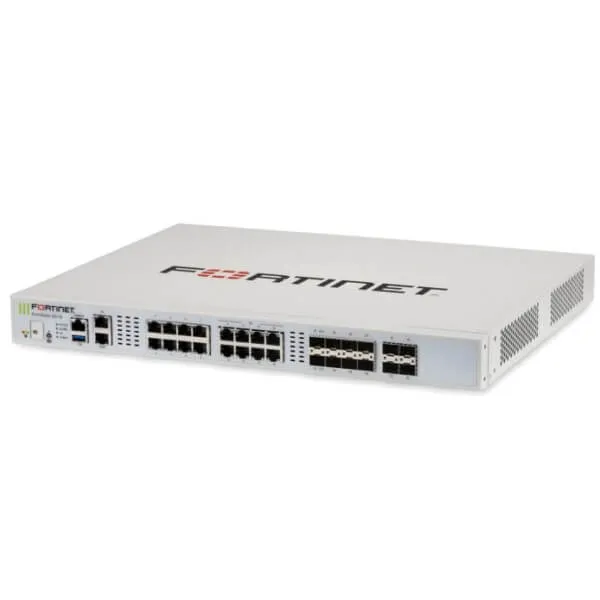
FortiExtender FEX-201E Cellular Gateway in Africa
Build a more resilient branch connection with an indoor CAT6 LTE gateway created for primary wireless WAN, fixed-line backup, dual-SIM planning and Fortinet-managed deployments. The FEX-201E gives business sites a purpose-built cellular edge device with five Gigabit Ethernet interfaces, flexible placement, PoE input and integration options that are more suitable for managed IT environments than a basic consumer mobile router.
✓ Dual-SIM Planning
✓ FortiGate Integration
✓ Africa Quote Support
Request Quote
Check Africa Availability
Quick Product Information
Fortinet
FortiExtender FEX-201E
Indoor LTE cellular gateway and wireless WAN extender
Single CAT6 modem with two micro-SIM slots
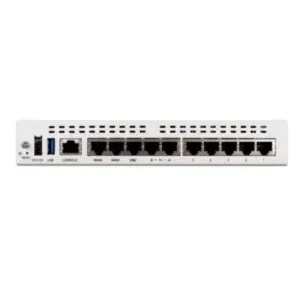
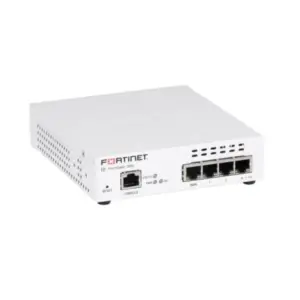
Five Gigabit RJ45 interfaces for WAN and LAN use
Primary LTE WAN, failover, branch connectivity and out-of-band access planning
Indoor desktop or wall-mounted installation
PoE input; exact injector, switch and adapter requirements should be confirmed
FortiGate, cloud or local options depending on firmware and deployment design
Contact FourTeck for current supply and lifecycle guidance
Product Overview
A branch office can lose access to cloud applications, payment services, remote support, email, inventory systems and voice communication when its primary internet circuit fails. For a small site, the interruption may stop a few employees. For a retail outlet, clinic, kiosk, ATM location or logistics depot, it can interrupt customer service and revenue-generating activity. The FortiExtender 201E was built to add a managed cellular path to this type of network without depending on a USB modem attached directly to a firewall or a low-control consumer hotspot.
The appliance combines an internal LTE Category 6 modem with dual micro-SIM capability, external antenna connections and five Gigabit Ethernet ports. It can be positioned where cellular reception is better while an Ethernet cable carries network traffic and power back to the cabinet. This design is useful when the firewall, switch or rack sits in an interior room with poor mobile signal. Instead of running long radio-frequency cables that can introduce loss, the gateway can be placed nearer to a window or another suitable indoor location and connected over structured cabling.
In a Fortinet environment, the unit can operate as an extended WAN interface and participate in a branch connectivity design that includes FortiGate security policies, failover decisions and central administration. Depending on firmware and management mode, it may also work in NAT or IP pass-through scenarios. The five Ethernet interfaces allow more flexible topology planning than single-port cellular devices, including direct links to a high-availability firewall pair or the use of local LAN connections in an appropriate standalone design.
For African buyers, the most important issue is not simply whether a SIM card fits. Cellular operation depends on the radio bands used by the local operator, modem firmware, APN configuration, SIM provisioning, network certification and the quality of signal at the site. The published FEX-201E band list covers many common LTE frequencies but does not cover every band used by every operator. FourTeck therefore treats the purchase as a compatibility and deployment exercise rather than a model-only transaction. Buyers can share the operator name, country, proposed address, FortiGate model, required data service and expected role of the LTE link so the solution can be reviewed before quotation.
Key Business Benefits
The value of a cellular gateway is measured by the business service it protects, the flexibility it gives the network team and the quality of deployment control it provides. These benefits explain why organisations consider a FortiExtender instead of attaching an unmanaged mobile device to the branch network.
◆ Better Continuity Planning
A separate LTE path can keep essential applications reachable when fibre, DSL or fixed wireless service is interrupted. It gives the business a practical failover option and helps the IT team define which services should continue during an outage.
✓ Dual-Operator Flexibility
Two SIM slots allow the design to consider more than one mobile operator or data plan. This can reduce dependence on one cellular service, support controlled SIM switching and improve the chance of maintaining connectivity when coverage or service conditions change.
↗ Improved Signal Placement
PoE input and Ethernet backhaul make it easier to place the gateway away from the network cabinet. Better placement can improve signal quality without long antenna cables, helping the modem maintain a more stable radio connection.
⚙ Managed Branch Integration
FortiGate integration can place the cellular link within the same operational environment as wired WAN interfaces, routing and security policy. This helps administrators avoid a disconnected management process for the backup link.
● Flexible Port Layout
Five Gigabit interfaces provide more topology choices than a one-port modem. The appliance can connect to WAN and LAN equipment, support selected standalone arrangements or provide direct connectivity to a FortiGate high-availability pair.
🔒 Stronger Operational Control
A business gateway gives administrators clearer control over APN settings, SIM behaviour, interface modes, diagnostics and connectivity status. This is valuable when remote sites must be supported consistently and faults need structured troubleshooting.
Product Highlights
CAT6 LTE Modem
The internal Sierra Wireless EM7455 modem supports LTE Category 6 and 2×2 MIMO. Real-world speed depends on operator service, radio band, network load, signal, antenna placement and the subscribed data plan.
Dual Micro-SIM Design
Two 3FF micro-SIM slots are available for one internal modem. Only one SIM is active at a time, but the second slot can support a planned operator, cost or service fallback strategy.
Five Gigabit Interfaces
The platform provides five GE RJ45 interfaces described for WAN and LAN use. Port behaviour depends on the selected operating mode and configuration.
PoE-Powered Placement
The gateway can receive power over Ethernet, allowing it to be positioned where reception is stronger while using a single cable for network and power. Confirm the required power source and accessories before ordering.
GPS Antenna Connection
MAIN, AUX and GPS SMA connections support the cellular antenna arrangement and location-related service capability specified for the model.
Indoor Compact Form
Desktop and wall-mount options suit branches, back offices, retail sites, kiosks and technical rooms. It is an indoor unit and should not be exposed outdoors without an appropriate protected enclosure and design review.
Technical Specifications
| Specification | Details |
|---|---|
| Brand / Model | Fortinet FortiExtender FEX-201E |
| Product Class | Indoor broadband wireless WAN extender and cellular gateway |
| Internal Modem | One Sierra Wireless EM7455 LTE Category 6 modem |
| SIM Support | Two micro-SIM 3FF slots for the single modem; one active SIM at a time |
| LTE Bands | 1, 2, 3, 4, 5, 7, 8, 12, 13, 20, 25, 26, 29, 30 and 41; operator confirmation required |
| 3G Bands | UMTS / HSPA+ / WCDMA bands 1, 2, 3, 4, 5 and 8 |
| Radio Technology | 2×2 MIMO, receiver diversity and receiver equalisation |
| Ethernet Ports | Five Gigabit Ethernet RJ45 ports; published design includes WAN and LAN roles |
| PoE | PoE-powered, with IEEE 802.3af 15.4 W shown in the specification table; order information references an 802.3af/at PoE PD port |
| Antenna Connections | Three external SMA connections: MAIN, AUX and GPS |
| Operating Modes | FortiGate-managed WAN extension, NAT and IP pass-through options depending on firmware and configuration |
| Management | FortiGate, FortiManager, FortiExtender cloud services and local administration options subject to supported software and subscription |
| Mounting / Type | Desktop or wall mount; indoor use |
| Dimensions | 40 x 160 x 160 mm, excluding antenna length |
| Weight | Approximately 0.55 kg |
| Operating Environment | 0°C to 40°C operating temperature; 5% to 95% humidity |
| Warranty / Support | Depends on unit condition, supply route, lifecycle status and selected support entitlement |
| Availability | Contact FourTeck for current Africa supply, replacement and project options |
Specifications should be read as a starting point rather than a complete deployment decision. The exact mobile operator must support a band listed for the modem, and the operator must permit the device and SIM service to attach to its network. The site may also need a correct APN, private or public address plan, data allowance, external antenna position, PoE source and appropriate firewall configuration. A buyer who needs only emergency internet for a few applications has a different requirement from a site that expects the cellular link to carry all branch users, voice, video and cloud services.
Because this model belongs to an earlier FortiExtender generation, software compatibility and support status should be checked against the intended FortiGate release and management platform. FourTeck can help identify whether a new FEX-201E unit, a professionally refurbished unit or a newer FortiExtender model is the most sensible procurement route. The correct decision should consider purchase cost, supportability, modem bands, expected service life and the operational cost of maintaining the branch connection.
Configuration and Buyer Guidance
Start by defining the role of the cellular link. Will it be the permanent primary connection, a temporary connection while fibre is installed, an automatic backup for a wired service, or an out-of-band path used by administrators during an outage? This answer affects the data plan, failover policy, traffic limits, antenna placement and the amount of performance expected from the modem.
1. Confirm the Operator
Provide the carrier name, SIM type, service plan and location. FourTeck can compare the published modem bands with the operator requirement, while final service confirmation may still require the carrier.
2. Describe the FortiGate
Share the firewall model, FortiOS version and whether the gateway will connect directly, through a switch or to an HA pair. This helps identify management and port design questions.
3. Define Critical Traffic
List the applications that must remain online during failover. Payment, ERP, email, voice and remote support may need priority while large downloads and guest Wi-Fi are restricted.
4. Plan Power and Placement
Confirm PoE capability, cable distance, wall or desktop location, ventilation and antenna clearance. Indoor cellular performance can change significantly between two nearby positions.
5. Check the Complete Kit
Ask whether antennas, mounting pieces, power supply, PoE injector, documentation and support entitlement are included. Used or refurbished units may have a different package.
6. Review Lifecycle Risk
Compare the cost of an older unit with the benefit of a current model. Firmware availability, support term and future carrier changes can matter more than the initial hardware price.
A well-prepared request should include country, city, site type, operator, quantity, FortiGate model, primary internet speed, required failover behaviour, deployment date and whether the project needs installation support. These details allow FourTeck to prepare a more useful response and reduce the chance of missing accessories or selecting an incompatible model.
Ideal Business Use Cases
Branch Internet Failover
A branch with fibre or fixed wireless can use LTE as an alternate path. The failover policy may keep email, ERP, payment and remote administration online while restricting lower-priority traffic to protect the data allowance.
Retail and POS Locations
Retail outlets can use the gateway for backup access to payment processors, inventory systems and central management. A carefully segmented design should keep business terminals separate from staff and guest traffic.
Kiosks and Self-Service Sites
A small remote kiosk may need a managed wireless WAN where fixed broadband is unavailable or impractical. The device can provide a more structured connection path than a portable hotspot.
Temporary Project Offices
Construction, event, field service and temporary office teams can bring a site online while permanent circuits are being arranged, provided coverage, data capacity and security controls are suitable.
Remote Administration Path
A cellular connection can support out-of-band access planning so administrators have an alternate route to selected equipment when the main WAN or routing configuration is unavailable.
High-Availability Firewall Sites
The four-LAN-port design can be useful when a FortiGate HA pair needs direct access to the cellular gateway without adding another small switch, subject to the final topology and supported configuration.
The appliance is not a substitute for a complete site survey or a guaranteed carrier service. A remote location with weak indoor signal may need different antennas, a protected external installation approach or a different modem family. A busy site that requires modern 5G performance may also be better served by a newer FortiExtender. FourTeck can help compare the use case with current options instead of assuming that every cellular requirement should use the same hardware.
FortiExtender FEX-201E Cellular WAN and Signal Placement
Cellular performance is strongly affected by location. Network cabinets are often placed in interior rooms, basements or metal enclosures that are ideal for security but poor for radio reception. Connecting a USB modem directly to the firewall can leave the modem trapped in that weak-signal area. Extending an antenna over a long cable may introduce attenuation and create another installation point that needs protection.
The FortiExtender design changes the placement decision. The gateway can be installed closer to a window or another indoor position with better reception, while Ethernet returns the connection to the firewall or switch. PoE allows the same cable to deliver power. This does not guarantee a strong link, but it gives the installer a better method for testing and selecting the physical location. Signal strength, signal quality and the operator band should be measured at the proposed mounting point before the device is permanently fixed.
The external MAIN and AUX antenna connectors support the 2×2 MIMO radio arrangement. Both cellular antennas should be installed correctly and separated according to the deployment guidance. The GPS connection should only be included where the service or management requirement needs it. Cables, connectors and antennas must match the frequency range and connector type; an unsuitable antenna can perform worse than the supplied option.
For buyers, the practical lesson is that the gateway purchase should include a placement and cabling plan. Share the wall construction, equipment-room position, approximate cable distance, operator coverage and whether the unit will be visible to staff or customers. FourTeck can help identify the accessories and questions that need to be resolved before installation.
FortiExtender FEX-201E Dual-SIM Failover Control
Dual-SIM does not mean that two LTE connections are active at the same time on the single internal modem. It means the device can hold two SIM cards and select between them according to the configured policy. This distinction matters when a buyer expects bandwidth aggregation or simultaneous carrier use. The FEX-201E should be planned as one active cellular modem connection with a second SIM available for switching, not as a dual-modem appliance.
The second SIM can still provide valuable resilience. An organisation may choose SIMs from two operators, use one plan for normal service and another for emergency service, or switch after a defined disconnect or data condition. The exact behaviour depends on software configuration and the available management mode. Each SIM requires valid provisioning, correct APN information and a data plan that allows the intended traffic. The organisation should also understand whether the SIM uses a private mobile address, carrier NAT or a public address, because this affects inbound administration and VPN design.
Failover testing should be part of the rollout. The IT team should disconnect the primary path, observe how quickly the cellular session starts, verify DNS and VPN behaviour, confirm that essential applications work and measure data use. It should also test switching between SIMs where that feature is included in the design. A backup that has never been tested may fail because of an expired SIM, incorrect APN, weak signal or exhausted data package.
FourTeck recommends documenting both operators, SIM ownership, renewal dates, APNs, support contacts and data limits. This information helps remote support teams diagnose faults and avoids a situation where the hardware is working but the mobile service has been suspended.
FortiExtender FEX-201E Fortinet Management Integration
A key reason to choose a FortiExtender is the ability to align the cellular connection with a Fortinet branch environment. When managed through a compatible FortiGate, the LTE service can appear as a WAN interface and become part of routing, security and failover decisions. This reduces the operational gap that exists when a separate mobile router is configured through an unrelated interface with different credentials and no connection to the firewall policy.
Management architecture should still be confirmed carefully. The buyer needs to know the FortiGate model, FortiOS version, FortiExtender software, support status and whether the unit will be FortiGate-managed, cloud-managed or locally administered. Features can differ across releases, and older hardware may not support every function found in current FortiExtender documentation. A deployment plan should therefore use the documentation and compatibility information relevant to the exact software versions.
In local standalone use, NAT mode can support multiple devices behind the gateway, while IP pass-through can present the mobile WAN address to a device behind it. These modes solve different problems. NAT can be useful for a small self-contained network, but it introduces another routing and firewall layer. IP pass-through can provide a cleaner relationship with a downstream firewall, but it should be designed with the operator addressing model and management access in mind.
The strongest deployment is one where management ownership is clear. Decide who can change APN settings, who monitors data use, who tests failover, who maintains firmware and who contacts the operator. FourTeck can help buyers turn these operational questions into a bill of materials and deployment checklist before the purchase is approved.
What Buyers Should Check Before Purchase
A cellular gateway should never be ordered only because the model name appears to match a requirement. Buyers should confirm the exact radio, operator, accessories, software and business use. This checklist helps procurement and IT teams avoid common mistakes, especially when an established-generation device is sourced from different channels.
Model and Condition
Confirm whether the quotation is for new, new-old-stock, refurbished or used equipment. Ask for the exact part number, serial status, included accessories and any previous cloud registration implications.
Carrier and Band Match
Provide the operator and service location. Check that the network uses supported LTE bands and accepts the device. Do not assume that a SIM working in a smartphone will automatically work in the gateway.
FortiGate Compatibility
Share the firewall model and software version. Confirm the intended management mode and whether the required feature is supported in that software combination.
Accessories and Power
Check antennas, wall-mount parts, PoE source, power adapter, Ethernet cables and any enclosure requirement. A low hardware price may exclude essential parts.
Data Plan and Addressing
Confirm APN, data allowance, public or private addressing, roaming rules and traffic restrictions. These service details influence VPN, remote access and monthly operating cost.
Support and Lifecycle
Ask what warranty is provided by the seller, whether Fortinet support can be attached and what firmware path remains available. Compare this with a newer model before final approval.
Deployment Environment
Confirm that the location is indoors, within the operating temperature range and suitable for radio reception. Harsh, outdoor or vehicle sites need a different form factor.
Quote Preparation
Send country, city, quantity, operator, firewall model, required condition, project date and delivery point. Include whether installation, remote configuration or an alternative-model comparison is needed.
Long-term usage cost should include the data plan, support, replacement antennas, power equipment, staff time and the business impact of a failed link. A newer gateway may cost more initially but provide wider band coverage, a longer software future or higher performance. FourTeck can help compare these factors so the quotation reflects the project requirement rather than only the lowest hardware line.
Africa Availability and Service Support
FourTeck supports Fortinet cellular gateway enquiries across Africa with assistance for product selection, operator-band review, model lifecycle discussion, quote preparation, accessory planning, delivery coordination and warranty guidance. Availability of the FEX-201E can vary because it is an established-generation model and may be offered through different supply routes or conditions. A current quotation should therefore confirm whether the unit is new, refurbished or another condition, what accessories are included and what support options apply.
For a meaningful availability check, buyers should send the quantity, required delivery location, preferred unit condition, mobile operator, FortiGate model and expected project date. FourTeck can then review whether the requested device is commercially and technically suitable. Where the FEX-201E is unavailable, unsupported or incompatible with the local operator, the team can guide the buyer toward a newer FortiExtender model or a FortiGate appliance with a cellular option.
Delivery planning should also consider SIM procurement, local carrier activation, installation access and the person responsible for testing the link. Hardware arrival is only one stage of the project. The site needs correct APN settings, suitable antenna positioning, approved firewall changes and a failover test before the connection can be treated as operational.
Africa Country and Regional Coverage
Businesses across Africa, including Kenya, Uganda, Nigeria, Ghana, Tanzania, Rwanda, Ethiopia, South Africa, Zambia, Botswana, Senegal and other regional markets can contact FourTeck for availability, configuration guidance and quotation assistance. The team can help buyers review carrier compatibility, suitable Fortinet models, required antennas or power accessories, deployment expectations and project supply needs based on the business use.
Regional projects often involve different operators and different radio conditions at each site. A model that works at one branch may not be the best choice for another branch, even within the same organisation. For multi-site orders, FourTeck recommends preparing a site list with operator, address, existing firewall, primary circuit and expected backup role. This allows the procurement team to standardise where practical while identifying locations that need a different modem or installation approach.
GCC, Middle East and Africa Availability
FourTeck Africa can support enquiries for businesses operating across Africa while helping regional procurement teams coordinate related requirements through selected FourTeck platforms for GCC and Middle East markets. Projects spanning Africa, UAE, Saudi Arabia, Qatar, Oman and Bahrain should not assume that one cellular modem has identical operator compatibility in every country. Carrier bands, certification, SIM policy, available support and delivery route can differ.
A regional standard should therefore begin with the operating countries, intended networks, firewall platform and support expectations. FourTeck can help compare the requested gateway with current FortiExtender alternatives, identify whether separate regional variants are needed and prepare a quotation path for hardware, accessories and project quantities. Availability and warranty handling remain dependent on country, unit condition, supplier route and selected configuration.
Other Options Buyers May Consider
The correct alternative depends on whether the priority is a newer cellular gateway, an integrated firewall with mobile connectivity, a compact secure branch appliance or a broader SD-WAN design. The cards below provide useful FourTeck paths for comparing related Fortinet requirements.
FortiGate FG-40F-3G4G
Consider this path when the project needs a compact FortiGate firewall with integrated 3G/4G planning rather than a separate extender.
FortiGate 31G
A compact current-generation firewall option for small branches that need secure internet access, VPN and SD-WAN planning.
FortiGate 50G
Suitable for buyers comparing a newer branch firewall platform with additional performance and growth room.
Fortinet SD-WAN Solutions
Use this guide when the requirement includes multiple WAN links, application steering, branch standardisation and central management.
FortiAP FAP-831F
A complementary Fortinet wireless option for sites that are also planning managed business Wi-Fi alongside the WAN edge.
FourTeck can also help compare newer FortiExtender single-modem, dual-modem, 5G and rugged models. These options may provide a better match where the deployment requires wider regional band support, higher cellular performance, outdoor protection, vehicle installation or a longer support horizon. Share the use case rather than only the requested part number so the alternative discussion remains technically relevant.
Why Buyers Choose FourTeck
Cellular networking combines hardware, operator service, radio conditions, firewall configuration and business continuity policy. FourTeck helps buyers consider these parts together. The team can review the model request, ask for the operator and deployment location, identify missing accessories, discuss support expectations and explain when a newer alternative may reduce risk.
This guidance is valuable for procurement teams that need a clear commercial response and for IT teams that need the product to work in a real branch design. FourTeck supports small businesses, regional enterprises, resellers, system integrators, NGOs, education networks, retail groups, healthcare organisations and project buyers with structured product enquiry handling.
FourTeck does not assume availability, carrier support or warranty based only on the product name. These points are confirmed during the quotation process according to the supply route and project details. This approach helps customers avoid a device that is inexpensive but incomplete, incompatible or difficult to support.
Frequently Asked Questions
What is the FortiExtender FEX-201E used for?
It is used to add a managed 3G/4G LTE connection to a business network. Common roles include primary cellular WAN, backup internet, branch failover, temporary site access and an alternate administration path. It can integrate with a compatible FortiGate or operate in selected local modes, depending on firmware and configuration.
Will it work with every mobile operator in Africa?
No universal guarantee should be assumed. The operator must use a supported LTE or 3G band, permit the modem on its network and provide a compatible SIM service. APN, certification, firmware and coverage also matter. Share the operator and location with FourTeck before ordering.
Does dual-SIM mean two active LTE connections?
No. The FEX-201E has one internal modem and two SIM slots. One SIM is active at a time. The second SIM can support switching between data plans or operators according to the configured policy. Buyers needing simultaneous cellular links should review a dual-modem model.
Can FourTeck help check compatibility?
Yes. FourTeck can review the published modem bands, operator details, FortiGate model, intended management mode and deployment role. Final operator acceptance may still require confirmation from the mobile carrier, especially where device certification or private APN services are involved.
Is the FEX-201E still available?
Availability can vary because it is an established-generation model. Units may appear as new-old-stock, refurbished or used, while some supply channels may no longer offer it. FourTeck can check current options and recommend a newer alternative where supportability or compatibility is more important.
What accessories should be confirmed?
Confirm the MAIN, AUX and GPS antennas, mounting hardware, PoE source or power adapter, Ethernet cabling and any support entitlement. The included package can differ by supplier and unit condition. Ask for a written list of included items before purchase approval.
Can it be mounted outdoors?
The FEX-201E is specified as an indoor unit. It should not be exposed directly to rain, dust or harsh conditions. A protected enclosure may be possible only after reviewing temperature, ventilation, cable entry, radio performance and safety. Rugged or outdoor FortiExtender models are usually a better fit.
How should failover be tested?
Disconnect the primary WAN during an approved test window, observe cellular session establishment, verify DNS and VPN behaviour, test critical applications and review data use. Also test SIM switching if included. Record recovery time and any traffic that should be blocked on the backup link.
How do I request a FourTeck quote?
Send the model, quantity, country, city, mobile operator, FortiGate model, required unit condition, deployment date and delivery location. Mention whether the link is primary, backup or out-of-band and whether you need antennas, PoE, installation support or a newer-model comparison.
Need Help Choosing the Right Cellular Gateway?
FourTeck can help review the operator, LTE bands, FortiGate compatibility, unit condition, accessories, warranty direction and delivery requirements for your business location. Share the project details to receive a practical Africa quotation and alternative-model guidance.

Reviews
There are no reviews yet.