

FortiAP FAP-231G Access Point in Africa
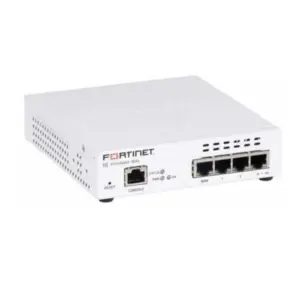
The FortiAP FAP-231G is built for organisations that want a security-aware wireless access layer with tri-radio Wi-Fi 6E capability, 2×2 MU-MIMO, multi-gigabit wired connectivity and flexible Fortinet management. It fits professional indoor deployments where staff, visitors, mobile devices, voice tools and operational equipment need dependable connectivity without turning the WLAN into a separate management island.
✓ 2.5GbE plus 1GbE
✓ Fortinet management options
✓ Africa quote guidance
Request Quote
Check Africa Availability
Quick Product Information
Fortinet
FortiAP FAP-231G
Indoor enterprise Wi-Fi 6E access point
Three service/scanning radios plus BLE
Managed staff, guest and device wireless access
One multi-gigabit RJ45 and one Gigabit RJ45
802.3at PoE or compatible power option
Supplier, region code and quantity dependent
Product Overview
Business wireless networks now carry much more than casual web browsing. A normal working day may involve cloud accounting, Microsoft 365, video meetings, voice applications, customer portals, handheld scanners, tablets, staff phones, guest devices, printers and operational systems. When the access layer is weak or poorly controlled, the problem appears as slow meetings, unstable roaming, delayed transactions, repeated help-desk calls and security gaps between users who should not share the same network privileges.
The FAP-231G addresses this requirement as a professional indoor Fortinet access point. Its three-radio 802.11ax platform can be arranged for 2.4 GHz, 5 GHz and 6 GHz access where the selected region code and local regulations permit 6 GHz operation. Alternative radio arrangements can support dual 5 GHz service or dedicated scanning, giving network designers more flexibility than a simple dual-band consumer router. The 2×2 MU-MIMO design is intended for enterprise spaces that need modern client efficiency, structured WLAN control and a practical balance between capacity, cost and physical size.
Wired connectivity is also important. One multi-gigabit Ethernet interface helps reduce the chance that the uplink becomes a bottleneck when modern clients generate heavier traffic, while the additional Gigabit Ethernet port supports deployment flexibility. The unit includes BLE functionality for beacon and location-aware applications when those capabilities are part of the wider solution. A ceiling, T-rail or wall mounting approach allows the access point to be positioned according to the building design rather than left on a desk where coverage and security may be less predictable.
The strongest business reason to consider this model is its place inside a Fortinet-managed network. FortiAP devices can be managed through compatible FortiGate wireless controller functionality or an appropriate Fortinet cloud management path. This allows the WLAN to align with firewall policy, network segmentation, authentication and security monitoring instead of operating as an isolated system. Staff, guests, contractors and device networks can be mapped to different access rules based on the final design.
Africa buyers should also consider lifecycle and regulatory details before approving a quote. The FAP-231G is an older G-series model and may have limited new-hardware availability in some supply channels. The 6 GHz band is not available in every regulatory domain, and the correct regional order code must be selected. FourTeck helps buyers review these points together with FortiGate compatibility, PoE requirements, mounting needs, quantity, support expectations and a suitable current alternative where long-term standardisation is more important than matching an existing installed base.
Key Business Benefits
A professional access point should be judged by the quality of the wireless environment it helps create, not only by headline radio speed. The benefits below connect the FAP-231G platform to practical concerns faced by IT managers, procurement teams and system integrators.
◆ More Efficient Multi-Device Service
Wi-Fi 6E and 802.11ax features such as OFDMA, MU-MIMO, spatial reuse and target wake time help the WLAN use airtime more efficiently. This matters in meeting rooms, classrooms, clinics, hotel spaces and open offices where many devices compete for service at the same time.
✓ Security-Aligned Wireless Access
When managed through a suitable Fortinet architecture, wireless access can be connected to firewall policies, VLAN separation, authentication and monitoring. This helps prevent guest, staff and operational traffic from being treated as one trusted group.
↗ Multi-Gigabit Uplink Readiness
The multi-gigabit Ethernet interface supports a faster wired path than a standard 1GbE-only connection. Buyers can pair it with the correct FortiSwitch or another compatible PoE switch so the wired access layer does not unnecessarily restrict wireless performance.
⚙ Flexible Radio Planning
Three Wi-Fi radios allow designers to choose between tri-band service, dual 5 GHz arrangements and scanning roles according to the site. This flexibility can be useful when upgrading busy indoor spaces or adding 6 GHz clients without abandoning established 2.4 GHz and 5 GHz devices.
● Centralised Operations
A managed WLAN reduces the need to configure every access point as an unrelated device. Central policy, monitoring, naming, firmware care and fault review become more practical for multi-floor offices, distributed branches and projects that may expand over time.
🔒 Better Guest and Device Separation
Hotels, schools, clinics and offices often need several wireless user groups. Proper SSID, VLAN and policy design can give guests internet access while keeping finance systems, administration devices, point-of-sale equipment and internal services on protected segments.
✓ Cleaner Deployment Planning
Using a professional access point encourages disciplined decisions around cabling, mounting, PoE budget, channel plans, controller compatibility and documentation. These details make the network easier to support after installation and reduce surprise accessory costs.
Product Highlights
The FAP-231G combines an indoor enterprise form factor with radio and management capabilities that suit structured WLAN projects. Its most useful strengths appear when the access point is deployed as part of a complete design rather than treated as a stand-alone box.
Supports 2.4 GHz, 5 GHz and 6 GHz service or alternative radio roles, subject to regional rules and configuration.
Provides two spatial streams per Wi-Fi radio for a practical enterprise balance of performance and deployment cost.
Allows multiple wireless service profiles when the management design, controller limits and business policy require them.
Supports professional powered deployment through a compatible PoE+ switch or injector after power budget confirmation.
Can support beaconing, scanning and location-oriented applications when included in the final solution design.
Designed for ceiling, T-rail and wall placement, with installation suitability confirmed against the building surface.
Published radio rates reach up to 574 Mbps on the 2.4 GHz radio, 1201 Mbps on the 5 GHz radio and 2401 Mbps on the 6 GHz radio. These are theoretical maximum link rates, not a guarantee of application throughput. Real results depend on client capability, channel width, local regulations, interference, walls, user count, switch performance, controller settings and internet capacity.
Technical Specifications
| Specification Area | FAP-231G Details | Buyer Note |
|---|---|---|
| Hardware Type | Indoor enterprise access point | No outdoor IP rating; do not use in weather-exposed locations. |
| Wireless Standard | IEEE 802.11ax / Wi-Fi 6E with legacy standard support | Client performance depends on device capability and regional band rules. |
| Radio Design | 3 Wi-Fi radios plus 1 BLE/Zigbee radio | Radio roles are configuration dependent. |
| MIMO | 2×2 service radios with two spatial streams | Assess user density and application load before final quantity planning. |
| Frequency Bands | 2.4 GHz, 5 GHz and 6 GHz where permitted | 6 GHz availability varies by regulatory domain and region code. |
| Maximum Data Rates | Up to 574 Mbps, 1201 Mbps and 2401 Mbps by radio | These are theoretical radio rates, not guaranteed user throughput. |
| Ethernet Interfaces | 1x multi-gigabit Base-T RJ45 and 1x 10/100/1000 Base-T RJ45 | Confirm exact supported uplink speed against regional hardware documentation. |
| Other Interfaces | USB 3.0 Type-A and RJ45 serial console | Feature use can depend on firmware and deployment mode. |
| Power | 802.3at PoE default; compatible adapter or injector options | Confirm PoE budget and whether the power accessory is included. |
| Authentication | WPA, WPA2 and WPA3 with enterprise or pre-shared-key options; captive portal and MAC controls supported | Final authentication depends on controller, RADIUS and policy design. |
| SSID Support | Up to 24 simultaneous SSIDs | Use only the number required; excessive SSIDs increase management and airtime overhead. |
| Wireless Features | OFDMA, uplink and downlink MU-MIMO, BSS coloring, target wake time, packet capture, spectrum analysis and WIDS/WIPS modes | Capabilities depend on configuration and management platform. |
| Dimensions | Approximately 182.4 x 182.4 x 54 mm | Allow room for bracket, cable bend and service access. |
| Weight | Approximately 0.8 kg | Confirm ceiling or wall support before mounting. |
| Operating Environment | 0°C to 50°C operating; 5% to 90% non-condensing humidity | Indoor environmental limits must be respected. |
| Mounting | Ceiling, T-rail and wall mounting | Standard mounting kit is commonly listed; confirm quotation contents. |
| Management | Compatible FortiGate controller or Fortinet cloud management path | Review FortiOS, FortiAP firmware and entitlement compatibility. |
| Lifecycle and Supply | Older model with supply dependent on channel availability | Ask for current alternatives when planning a new long-term standard. |
The specification table should be used as a procurement and design guide. A correct order still requires confirmation of the regional suffix, local 6 GHz rules, power method, controller compatibility, firmware path, required support term and included accessories. Wireless performance is shaped by the complete environment, including client radios, cabling, switch speed, PoE stability, walls, ceilings, interference, channel width and active user load. FourTeck can help turn those variables into a cleaner quotation and can recommend a newer FortiAP model where lifecycle, future software support or long-term repeat ordering is the stronger priority.
Configuration and Buyer Guidance
A wireless access point is only one part of the finished service. Before approving an order, the buyer should define what the site must support, how the unit will be managed and what infrastructure already exists. The questions below help prevent a purchase that looks correct on paper but creates installation or compatibility problems.
How many active users and devices?
Count normal and peak connections, including staff laptops, phones, tablets, visitors, scanners, printers and specialised devices. Peak activity is more useful than total registered devices.
What does the building look like?
Share floor plans, wall material, ceiling height, corridors, meeting rooms, open spaces, metal shelving and high-density zones. Coverage should be designed around the site, not guessed from square metres alone.
Is PoE and multi-gigabit switching ready?
Confirm the switch supports 802.3at power and has enough budget for every access point. Check whether the desired uplink speed is available on the selected port and cabling.
Which management path will be used?
Provide the FortiGate model, FortiOS version and existing WLAN design, or explain the preferred cloud-management approach. Compatibility should be confirmed before purchase.
Which user groups require separation?
List staff, guest, contractor, voice, payment, IoT and operational device requirements. This helps define SSIDs, VLANs, authentication and firewall policy.
Is this a new standard or an installed-base match?
The FAP-231G may be suitable for extending an existing deployment. For a new long-term standard, ask FourTeck to compare current-generation models and expected supply continuity.
A strong quote request should include the delivery country, required quantity, floor plan, expected simultaneous users, important applications, existing FortiGate and switch models, PoE availability, number of required SSIDs, preferred support term and installation responsibility. It should also state whether 6 GHz service is required or whether dual 5 GHz operation is the main goal. FourTeck can review these details, identify missing accessories and prepare alternative choices when the requested model is not the most practical fit.
Ideal Business Use Cases
The FAP-231G is intended for controlled indoor environments. The following examples show where its capabilities can be useful when supported by proper site design, security policy and switching infrastructure.
Corporate Offices
Support staff laptops, collaboration tools, meeting rooms, mobile users and visitor access across professional workspaces. Central management and segmentation help the IT team keep employee, guest and device traffic under clearer policy control.
Education and Training
Schools, colleges and training centres can plan separate access for students, lecturers, administration, guests and classroom devices. Coverage should account for timetable peaks, dense rooms and roaming between learning areas.
Hotels and Hospitality
A managed WLAN can serve lobbies, meeting spaces, restaurants, back-office teams and guest areas while keeping business systems separate. Building layout and room construction require careful access-point placement.
Healthcare and Clinics
Clinics can support staff tablets, patient check-in devices, administration systems and guest access with separate policies. Reliability, authentication, documentation and controlled device access are especially important.
Retail and Branch Networks
Retail sites can connect staff devices, inventory tools, handheld terminals and guest users while maintaining segmentation from point-of-sale and management systems. The WLAN should be aligned with branch firewall policy.
Indoor Logistics and Warehouses
Indoor warehouse areas may use managed Wi-Fi for scanners, tablets and operational devices. Metal racks, moving stock, ceiling height and roaming paths can change radio behaviour, making survey-led placement important.
The model can also fit professional service firms, government offices, libraries, shared workplaces and branch standardisation projects. It should not be selected for exposed outdoor environments. For courtyards, open yards, perimeter coverage, outdoor hospitality areas or weather-exposed industrial locations, the buyer should request a FortiAP model designed and rated for ruggedised indoor/outdoor service.
FortiAP FAP-231G Tri-Radio Wi-Fi 6E Design
The tri-radio architecture is the feature that most clearly separates this model from a basic dual-band access point. One radio serves the 2.4 GHz band, another serves 5 GHz, and the third can be used for 6 GHz, a second 5 GHz service role or dedicated scanning depending on configuration and regulatory support. This gives the network designer choices that can be matched to the client population rather than forcing one fixed layout on every site.
The 2.4 GHz band remains useful for older clients, IoT devices and applications that value reach more than headline throughput. The 5 GHz band is the main working band for many modern laptops and phones. The 6 GHz band can provide cleaner spectrum and wider channel options for compatible Wi-Fi 6E devices, but it has different propagation behaviour and is subject to local rules. A site with few 6 GHz clients may gain more immediate value from dual 5 GHz planning or background scanning, while a modern office refresh may want a dedicated 6 GHz service for new endpoints.
OFDMA and MU-MIMO support help distribute airtime more effectively among compatible clients. BSS coloring can improve spatial reuse where nearby access points operate on overlapping channels, while target wake time can help suitable battery-powered devices manage radio activity more efficiently. These technologies are not automatic guarantees of faster user experience; their value depends on client support, channel design, interference and controller settings.
For buyers, the main lesson is to specify the desired radio role before ordering and deployment. FourTeck can help review the client mix, expected user density, local 6 GHz availability and installed Fortinet environment. This prevents the project from paying for a capable platform without using its radios in the way the business actually needs.
FortiAP FAP-231G Secure WLAN Management
Wireless security begins with deciding who can connect, which resources they may reach and how their activity is controlled. A single open or weakly protected network may be convenient, but it can place guest devices, employee systems and operational equipment too close together. The FAP-231G can become part of a Fortinet-managed access architecture where wireless policies are coordinated with the wider network.
When the access point is managed by a compatible FortiGate controller, administrators can align SSIDs with VLANs, authentication methods and firewall policy. An employee SSID may use enterprise authentication and gain access to approved internal applications. A visitor SSID may receive internet-only service through a captive portal. A device network may be restricted to specific servers or cloud endpoints. The exact controls depend on the FortiGate, FortiOS version, authentication infrastructure and licensed services, so the design should be reviewed rather than assumed.
The access point also supports wireless monitoring functions such as rogue scanning, WIDS/WIPS modes, packet capture and spectrum analysis. These tools can help administrators investigate interference, identify unexpected wireless activity and troubleshoot client problems. A dedicated scanning role can increase visibility, but it uses a radio that might otherwise serve clients, which creates a design decision between capacity and monitoring depth.
Cloud-managed deployment can be appropriate for organisations that want central control across distributed locations without placing the same controller design at every site. The correct platform, subscription and support arrangement should be confirmed before purchase. FourTeck can help buyers compare FortiGate-managed and cloud-managed paths, review compatibility and define what information the implementation partner needs for a smooth handover.
FortiAP FAP-231G Uplink, PoE and Deployment Planning
Wireless performance can be limited by the wired network long before the access point reaches its radio potential. The FAP-231G includes a multi-gigabit Ethernet interface so a compatible switch can provide more than a standard 1GbE path. This is useful in active areas where several modern clients transfer data at the same time. The additional Gigabit Ethernet port can support deployment flexibility, but the final cabling and port role should be confirmed against the chosen configuration.
Power is normally supplied through 802.3at PoE. The switch must support the required standard and have sufficient total power budget for every connected access point. A switch with many PoE ports may still be unable to power all devices at full requirement if its total wattage is too low. Buyers should calculate the complete load, including access points, cameras, phones and other powered endpoints, and leave sensible capacity for growth. Where a suitable PoE switch is not available, a compatible injector or power adapter may be required and should appear clearly in the quotation.
Cabling also matters. Existing copper runs should be checked for category, length, termination quality and multi-gigabit suitability. A poor cable can cause the link to negotiate at a lower speed or become unstable. Mounting should keep the access point away from obstructions, dense metal, enclosed cabinets and unnecessary heat. The standard bracket supports common indoor ceiling, T-rail and wall installations, but the building surface and cable route must be checked before the installation team arrives.
FourTeck can help match the unit with a suitable PoE switching option, including the FortiSwitch FS-124F-POE, subject to port, power and uplink requirements. A complete quote should state the access point quantity, switch model, injector or adapter need, mounting accessories and any support or cloud-management term.
What Buyers Should Check Before Purchase
Before requesting a quote, buyers should confirm whether the FAP-231G is being selected to match an existing Fortinet deployment or to become the basis of a new wireless standard. That distinction matters because availability, lifecycle, firmware planning and repeat ordering can influence the better choice. A model that is practical for replacing or extending an installed base may not be the strongest option for a completely new multi-year rollout.
Correct Model and Environment
Confirm that the site is indoors and within the operating conditions. The FAP-231G does not have an outdoor IP rating. Ask for a ruggedised FortiAP where rain, dust, condensation or direct weather exposure is possible.
Region Code and 6 GHz
The regional suffix affects permitted radio operation. Confirm the delivery country and whether 6 GHz use is allowed locally. Do not order only by the base model name.
Controller and Firmware Compatibility
Share the FortiGate model, FortiOS release and current FortiAP firmware path. Compatibility matrices should be reviewed before rollout, especially when adding units to an established network.
Power, Switching and Cabling
Confirm 802.3at support, total PoE budget, multi-gigabit port availability and cable condition. Add injectors, adapters or switch upgrades to the quote when required.
Support and Lifecycle
Ask what support term, replacement path and firmware entitlement apply to the offered unit. For new standards, compare a current-generation alternative before committing to a large quantity.
Quote Preparation
Provide quantity, floor plan, user count, applications, delivery location, required SSIDs, current network equipment, preferred management method and project timeline so the quotation covers the real deployment.
Buyers should also ask whether the mounting bracket, power accessory, support contract and cloud entitlement are included or separate. Confirm who will perform the survey, installation, configuration, acceptance testing and post-deployment support. A complete purchase decision considers hardware, accessories, licences, labour, cabling and ongoing support together. FourTeck can review the requirement and suggest the FortiAP FAP-831F, the FortiAP FAP-433F or another current model when the original request needs a different capacity, antenna arrangement or lifecycle position.
Africa Availability and Service Support
FourTeck supports product enquiries across Africa with assistance for model selection, configuration review, quote preparation, delivery coordination and warranty guidance. Availability of the FAP-231G can vary because the model is in a later lifecycle stage and regional order codes are not interchangeable. Supplier status, required quantity, support term, power accessories and delivery destination can all affect the final commercial response.
For an existing deployment, FourTeck can help buyers identify whether the requested region code and management environment match the installed access points. For a new project, the team can compare the requested unit with current FortiAP options so the customer understands the trade-off between maintaining model consistency and selecting a newer long-term platform. This is particularly useful for multi-site rollouts where future repeat orders, firmware alignment and replacement planning matter.
Share the country, city, quantity, FortiGate model, switch details, floor plan, expected users and required delivery schedule. FourTeck can then review product availability, suitable alternatives, PoE requirements, support expectations and the information needed by the installation partner.
Africa Country and Regional Coverage
Businesses across Africa, including Kenya, Uganda, Nigeria, Ghana, Tanzania, Rwanda, Ethiopia, South Africa, Zambia, Botswana, Senegal and nearby regional markets, can contact FourTeck for product availability, configuration guidance and quotation assistance. Regional wireless rules, import arrangements, power accessories and delivery options can differ, so the country of installation should be included in the first enquiry.
The team can assist procurement departments, system integrators, resellers, education groups, healthcare organisations, hospitality operators, retailers and multi-branch companies with model matching and project-supply discussions. Buyers can also use the FourTeck Kenya platform or FourTeck Uganda platform for relevant regional contact routes while keeping the technical requirement consistent across locations.
GCC, Middle East and Africa Availability
FourTeck Africa can support wireless product enquiries for organisations operating across Africa and connected GCC or Middle East markets. Regional groups may manage procurement from the UAE, Saudi Arabia, Qatar, Oman or Bahrain while deploying access points in African offices, hotels, schools, clinics, warehouses or retail branches. In these situations, the quotation should identify the final installation country because regulatory codes, wireless bands, power accessories and support routes may differ.
Cross-border projects also benefit from a common design standard. The customer should define the preferred FortiGate management model, SSID structure, authentication method, VLAN mapping, switch requirement and support process so every branch does not become a separate configuration. FourTeck can help prepare a consistent bill of materials while flagging country-specific differences that require separate order codes or alternative products.
Availability, warranty handling and delivery coordination remain dependent on product lifecycle, supplier status, configuration and destination. Businesses with Gulf-linked procurement requirements can review FourTeck UAE together with the Africa contact route for coordinated discussions.
Other Options Buyers May Consider
The correct alternative depends on whether the buyer needs greater capacity, external antennas, outdoor protection, a current-generation platform or a complete Fortinet access solution. The options below help frame the discussion without assuming that one model suits every site.
FortiAP FAP-831F
Consider for higher-density indoor Wi-Fi 6 environments that need stronger radio capacity and enterprise WLAN planning.
FortiAP FAP-433F
Useful where an indoor Wi-Fi 6 model with external antennas and 4×4 radio capability better matches the coverage design.
Fortinet Wireless Security Solutions
Review the wider Fortinet wireless approach when the project includes controllers, security policy, multiple sites and ongoing management.
FortiSwitch FS-124F-POE
Consider a compatible PoE access switch when the wireless rollout also needs powered ports, VLAN control and Fortinet network integration.
FortiGate 31G
Suitable for discussing a compact Fortinet security gateway where branch firewall, SD-WAN and wireless control planning are part of one project.
Ruggedised FortiAP Alternative
Required for outdoor or harsh environments. Ask FourTeck to select a current weather-rated model based on coverage, antenna and regional requirements.
Why Buyers Choose FourTeck
FourTeck helps business buyers connect product specifications with the real deployment requirement. Wireless procurement often involves several people: the IT manager defines technical needs, procurement requests commercial terms, finance reviews the budget, a system integrator plans installation and management expects reliable service. A useful quotation must give each group enough clarity to approve the project confidently.
Assistance with model, regional suffix, quantity and current supplier status.
Review of radio roles, controller path, SSIDs, PoE and related infrastructure.
Commercial preparation based on the correct bill of materials and project scope.
Regional enquiry handling based on destination, quantity and supply conditions.
Help confirming the support route, term and lifecycle expectations before purchase.
Guidance on FortiGate, FortiSwitch, newer FortiAP models and outdoor alternatives.
FourTeck does not treat the access point as an isolated item. The team can help identify missing power accessories, incompatible controller versions, insufficient PoE budget, uncertain regional codes and lifecycle concerns before they become project delays. Buyers can also review the wider Fortinet Security Fabric solutions when wireless, switching and firewall requirements need to work as one coordinated environment.
Frequently Asked Questions
Is the FAP-231G an outdoor access point?
No. The FAP-231G is documented as an indoor access point and does not carry an outdoor IP rating. It is designed for ceiling, T-rail or wall installation in controlled indoor environments. For courtyards, yards, exposed corridors, outdoor hospitality spaces or industrial locations affected by weather, ask FourTeck to recommend a ruggedised FortiAP model.
What is the FAP-231G used for?
It provides managed enterprise wireless access for offices, branches, schools, clinics, hotels, retail sites and other professional indoor spaces. It can support staff, guest and device connectivity while aligning SSIDs, VLANs, authentication and firewall policy through a compatible Fortinet management design.
Does it support the 6 GHz band?
The model is Wi-Fi 6E capable and can use 6 GHz where the regional hardware code, local regulations and configuration permit it. The 6 GHz band is not available in every country. Buyers should provide the installation country so FourTeck can help confirm the correct order code and suitable radio plan.
Can it be managed by FortiGate?
FortiAP devices can be managed through compatible FortiGate wireless controller functionality. The buyer should provide the FortiGate model, FortiOS version and current FortiAP firmware so compatibility can be reviewed before purchase. Cloud-management options may also be available depending on the selected platform and entitlement.
What power source does the access point require?
The normal deployment uses 802.3at PoE from a compatible switch or injector. Buyers should confirm the switch power standard, total PoE budget, port speed and cabling. A suitable power adapter or injector may need to be ordered separately depending on the supply package.
Is the FAP-231G still a good choice for a new project?
It may be practical when matching an existing installed base or when a suitable unit is available with the required support path. For a completely new multi-year standard, buyers should compare a current-generation FortiAP because lifecycle, repeat ordering and future firmware planning can be more important than matching this older model.
How many access points will my building need?
Quantity depends on floor layout, wall material, ceiling height, user density, client type, channel conditions, applications and roaming requirements. A floor plan and peak-user estimate help determine placement. Large, divided or high-density spaces normally require several access points rather than one unit operating at maximum power.
Can FourTeck help with configuration planning?
Yes. FourTeck can review the FortiGate environment, PoE switching, radio requirements, staff and guest SSIDs, VLAN design, regional code, support term and accessory needs. The goal is to prepare a quotation that reflects the actual deployment rather than listing only the access point part number.
What information should I provide for a quote?
Share the delivery country, required quantity, floor plan, expected simultaneous users, important applications, current FortiGate and switch models, PoE availability, desired management method, support expectations and project timeline. Also state whether the unit must match an existing FAP-231G deployment or can be replaced by a newer model.
Can businesses request bulk or project supply?
Yes. FourTeck can support project discussions for offices, education groups, hospitality sites, healthcare networks, retailers, system integrators and distributed branches. Bulk requirements should include site count, quantity by location, preferred delivery schedule, controller design, support term and whether related switches, firewalls or installation accessories are required.
Need Help Choosing the Right Fortinet Wireless Option?
FourTeck can help review indoor or outdoor suitability, current availability, regional code, 6 GHz requirements, FortiGate compatibility, PoE switching, lifecycle position, warranty guidance and delivery needs for your business location.
Reviews
There are no reviews yet.