
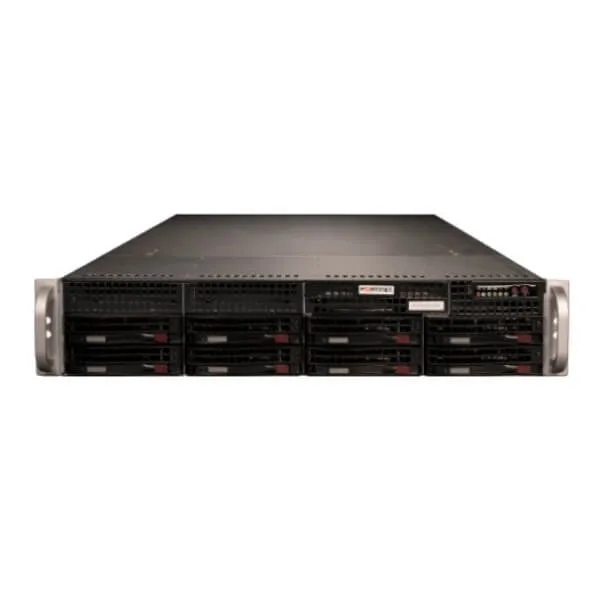
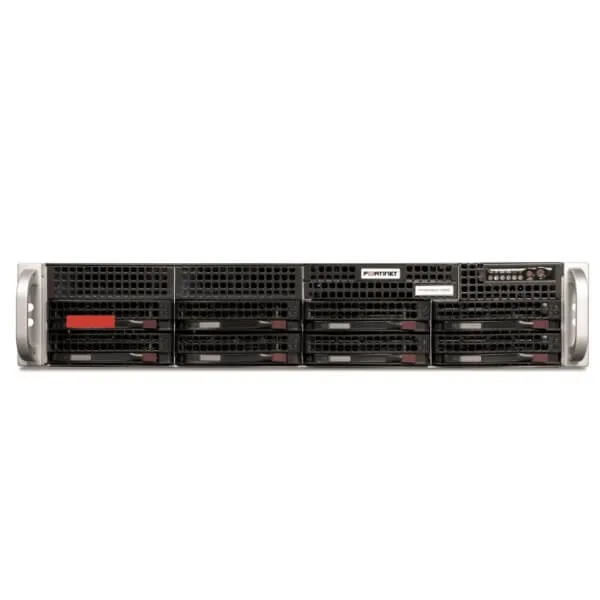
Fortinet FortiSandbox FSA-1000F Sandbox Appliance in Africa
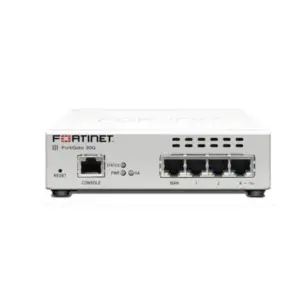
FortiSandbox FSA-1000F is a dedicated 1RU platform for organisations that want suspicious files analysed inside a controlled on-premises environment. It supports layered inspection, virtual-machine detonation, behavioural reporting and integration with Fortinet security products so unknown content can be examined before it becomes a larger incident. FourTeck helps African procurement and security teams evaluate whether this earlier-generation appliance is still suitable, confirm licensing and lifecycle conditions, compare supported replacement options, and prepare the right commercial request.
✓ Fortinet Integration Guidance
✓ Africa Delivery Coordination
✓ Quote and License Support
Request Quote
Review FortiSandbox Support
Quick Product Information
Product Overview
Modern organisations exchange a huge volume of documents, compressed archives, software installers, scripts, email attachments and web downloads. Most of these objects are legitimate, but a small number may contain ransomware, credential-stealing code, droppers, malicious macros, concealed scripts or previously unseen malware. Traditional security controls are essential for known threats, yet they can require additional analysis when a file has no established reputation or is deliberately designed to avoid simple detection.
The Fortinet FortiSandbox FSA-1000F was designed as a dedicated appliance for that deeper inspection task. It combines pre-filtering and static analysis with virtual-machine execution so suspicious objects can be observed in an isolated environment. The objective is not merely to label a file as good or bad. A useful sandbox workflow can reveal process creation, file-system changes, registry activity, network callbacks, command-and-control behaviour, dropped components and other indicators that support a stronger incident decision.
For businesses already using FortiGate, FortiMail, FortiWeb, FortiClient or related Fortinet platforms, the appliance can form part of a coordinated submission and verdict process. Supported devices may forward suspicious content for analysis and use the returned result to improve visibility or response. The exact integration path depends on software versions, licensing, policy design and the selected deployment mode, so buyers should treat compatibility review as an essential part of procurement rather than an activity left until installation day.
The FSA-1000F is particularly relevant where an organisation prefers local control over sample handling, needs an appliance inside its own data centre, has compliance requirements around file analysis, or operates a security team that wants detailed behavioural evidence. It may be considered for banking, government, telecommunications, healthcare, education, energy, manufacturing, professional services and managed security operations. Its suitability depends on daily submission volume, expected peak load, VM requirements, retention needs, business continuity plans and the wider security architecture.
Because this is an earlier-generation platform, purchase decisions require more care than a simple model-and-price comparison. Current Fortinet hardware ordering is centred on newer G-series appliances, while FSA-1000F remains referenced in supported-model and administration documentation for specific software releases. FourTeck helps buyers determine whether the requirement is for an existing-environment renewal, a spare or replacement unit, a lifecycle extension, or a new project that should instead be sized around a newer FortiSandbox platform.
Key Business Benefits
A sandbox appliance creates value when it improves decisions, shortens investigation time and connects cleanly with the organisation’s existing controls. The benefits below explain why security and procurement teams may evaluate the FSA-1000F for established Fortinet environments or controlled on-premises analysis requirements.
◆ Deeper Inspection of Unknown Files
Files without a reliable reputation can be analysed beyond a basic signature check. Static indicators and behavioural execution provide additional context, helping analysts distinguish routine content from objects that deserve blocking, isolation or further investigation.
◆ Better Incident Confidence
Detailed observations such as spawned processes, modified files, registry activity and external connections give security teams evidence for response. This can reduce decisions based only on suspicion and support more consistent escalation procedures.
◆ Fortinet Ecosystem Coordination
In a compatible Security Fabric design, suspicious objects can move from prevention products to the sandbox and verdict information can return to connected controls. This helps the business build a joined-up workflow instead of running isolated security tools.
◆ Local Analysis and Data Control
An on-premises appliance may suit organisations that prefer samples to remain within their own infrastructure or need local control for policy, privacy or operational reasons. The final design should still account for update services, cloud options and approved data flows.
◆ Scalable VM Capacity
The platform includes a base VM allocation and can support additional licensed VM capacity up to the model limit. This allows the deployment to be aligned with file volume and operating-system coverage, subject to the correct entitlements and supported software release.
◆ Practical SOC Enrichment
Behaviour reports, indicators and file details can enrich analyst investigations. When connected to logging, SIEM or response processes, sandbox findings can provide useful context for triage, containment and post-incident review.
◆ Lifecycle-Aware Procurement
FourTeck helps buyers examine whether an older appliance is still the right commercial choice. This avoids purchasing hardware without confirming subscription eligibility, replacement options, support coverage, power accessories or long-term maintenance expectations.
Product Highlights
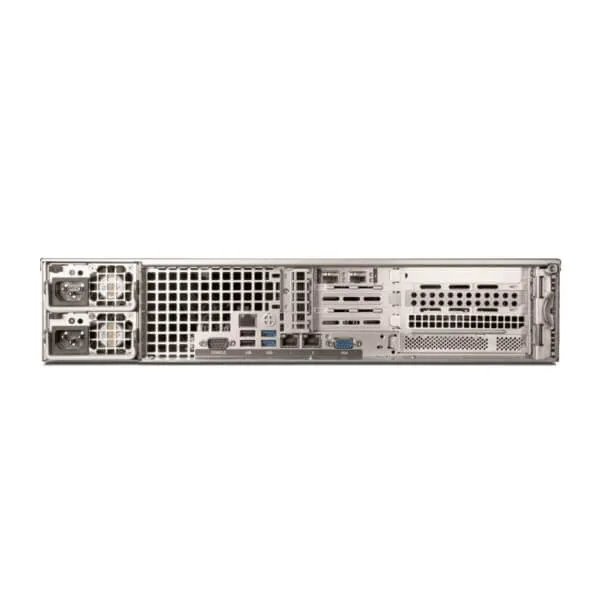
The FSA-1000F combines appliance-based control with a multi-stage inspection workflow. Published specifications for this model describe a 1RU chassis, four Gigabit Ethernet RJ45 interfaces, four Gigabit Ethernet SFP slots, two 1 TB storage devices and an optional second power supply. These hardware details matter for rack planning, network connectivity, storage expectations and power design, but they should be reconfirmed against the exact unit and supply route before purchase.
Uses pre-filtering, static methods and controlled virtual-machine execution to evaluate suspicious content.
Two VM hosts are included in base licensing, with expansion supported up to fourteen local VM hosts when correctly licensed.
Up to 7,500 pre-filtered files per hour, 280 VM-sandboxed files per hour and 1,400 effective files per hour under stated test conditions.
Designed to work with supported Fortinet products and standard submission methods including API, ICAP and other approved workflows.
Can provide behavioural reports, screenshots, packet captures, trace information and indicators for analyst review.
Current procurement should include lifecycle, renewal, firmware, subscription and replacement validation.
Performance figures are not guarantees for every deployment. File mix, archive depth, VM operating systems, policy settings, enabled features, submission sources, network conditions and software versions can affect results. FourTeck recommends sizing from actual daily and peak file volume rather than selecting only by the headline files-per-hour number.
Technical Specifications
| Specification Area | FSA-1000F Details | Buyer Note |
|---|---|---|
| Brand | Fortinet | Confirm genuine supply route and serial eligibility. |
| Model | FortiSandbox FSA-1000F | AC model; a separate DC variant was also produced. |
| Product Type | On-premises advanced threat analysis appliance | Designed for suspicious-file inspection and threat verdict workflows. |
| Form Factor | 1RU rack appliance | Confirm rail kit, rack depth and airflow planning. |
| Network Interfaces | 4 x GE RJ45 and 4 x GE SFP slots | Optics and cabling are selected separately where required. |
| Storage | 2 x 1 TB | Retention and usable capacity depend on system design and software behaviour. |
| VM Hosts | 2 included; expandable up to 14 licensed local VM hosts | Operating-system and application licenses must be validated. |
| Pre-filter Throughput | Up to 7,500 files per hour | Published test value; real workload may differ. |
| VM Sandboxing Throughput | Up to 280 files per hour | Affected by file complexity, VM mix and scan policy. |
| Effective Throughput | Up to 1,400 files per hour | Based on a stated real-world test profile. |
| Sniffer Throughput | Up to 1 Gbps | Confirm protocol, capture and deployment requirements. |
| Power | 1 AC power supply with optional second AC supply | Verify included cords, redundancy and data-centre power standard. |
| Management | Web interface, CLI, reporting and supported remote logging | Feature availability depends on FortiSandbox software version. |
| Common Integrations | FortiGate, FortiMail, FortiWeb, FortiClient, API and ICAP workflows | Confirm exact version interoperability before deployment. |
| Lifecycle Position | Earlier-generation FortiSandbox hardware | New projects should compare current G-series alternatives. |
| Warranty and Support | Based on active FortiCare, entitlement, serial status and purchase route | Contact FourTeck for current guidance. |
How to interpret these specifications
A sandbox should be sized around the number of suspicious objects that actually reach deep analysis, not the total traffic crossing the network. Buyers should collect daily and peak submission counts from firewalls, email gateways, endpoints, web security and manual analyst uploads. The team should also identify the file types, operating systems and applications that matter most. A high volume of complex documents or executables can create different demand from a workload dominated by files resolved during pre-filtering. FourTeck can help translate these inputs into a model, license and migration discussion.
Configuration and Buyer Guidance
The right configuration begins with the security workflow. Ask where suspicious files originate, how they are submitted, which systems need the verdict and who will respond. A FortiMail-heavy environment may focus on attachment volume and mail-flow latency. A FortiGate deployment may focus on inline or near-inline inspection policies. A SOC may require manual submissions, API integration, evidence export and connection to a SIEM or case-management process.
1. Measure Submission Demand
Share average and peak files per hour, daily totals, file sizes, archive frequency and the percentage expected to require dynamic execution.
2. Map Integration Points
List FortiGate, FortiMail, FortiWeb, endpoint, proxy, API, ICAP, network-share and logging systems that will interact with the appliance.
3. Confirm VM Coverage
Identify the operating systems, Office versions and file behaviours that must be reproduced. Licensing and supported images vary by release and entitlement.
4. Plan Resilience
Decide whether a single appliance is acceptable or whether clustering, a spare unit, dual power, alternate submission paths and tested recovery procedures are required.
5. Validate Lifecycle
Confirm serial status, firmware path, FortiCare eligibility, subscription renewal, replacement parts and whether a G-series model offers a better long-term outcome.
6. Prepare the Quote
Provide delivery country, quantity, appliance condition requirement, support term, subscriptions, VM count, optics, rack accessories and implementation scope.
Buyers should also consider operational ownership. The appliance needs administrators who can review verdicts, tune policies, monitor queues, maintain VM images, manage updates and investigate unusual results. A sandbox that is purchased without a defined response process may produce valuable data that nobody acts upon. FourTeck can help frame the commercial and technical questions so procurement, infrastructure and security teams approve the same clearly defined requirement.
Ideal Business Use Cases
The FSA-1000F is not a general firewall and should not be selected as a replacement for an internet gateway. Its role is specialised: receiving suspicious content, applying deeper analysis and producing evidence or verdicts that support prevention and response. The following use cases show where this function can fit in a broader security programme.
Financial Services and Payment Operations
Banks, fintech companies, insurers and payment teams receive invoices, statements, applications and files from many external parties. Sandboxing can add deeper review for unknown attachments and downloads while supporting evidence-driven incident handling.
Government and Regulated Environments
Public institutions and regulated organisations may prefer controlled local analysis because of policy, data-handling or audit requirements. The design must still be reviewed for approved update services, retention and administrator access.
Email-Borne Threat Investigation
Organisations using FortiMail or another compatible submission path can analyse suspicious attachments and embedded content that require more than routine filtering. This is useful where phishing and malicious documents are frequent attack methods.
Security Operations Centre Enrichment
SOC analysts can use behavioural reports, indicators, screenshots and packet evidence to support triage. Integration with logging and case processes can help turn individual file findings into repeatable response actions.
Manufacturing and OT Security
Manufacturers and energy organisations may need to analyse files entering sensitive operational environments through engineering workstations, removable media workflows, vendor exchanges or remote support processes. Deployment should follow the site’s segmentation and safety rules.
Managed Security Services
A managed security provider may use dedicated sandboxing to enrich customer investigations. Capacity, tenant separation, evidence handling, licensing and service-level commitments require careful design before an appliance is placed into a shared operation.
Healthcare and Research Networks
Hospitals, laboratories and research organisations exchange documents, images, software tools and supplier files across diverse systems. Sandboxing can support investigation of unknown content without relying only on endpoint alerts.
Universities and Large Education Groups
Open user populations, research collaboration, public portals and large email volumes increase file diversity. A sandbox can add visibility for suspicious objects while central IT teams coordinate response across campuses and departments.
FortiSandbox FSA-1000F Multi-Stage Malware Analysis
A strong sandbox workflow does not detonate every file immediately. That approach would consume unnecessary resources and delay results. The FSA-1000F uses layered analysis so content can be assessed through reputation, antivirus, structural inspection, code-related indicators and other pre-filter methods before selected objects are passed to a virtual environment. This design helps reserve dynamic execution for files that genuinely need deeper observation.
Dynamic analysis is valuable because malicious software often reveals itself through behaviour. A document may launch a script interpreter, an executable may create persistence, a sample may alter system settings, or a process may contact an external domain. Running the object in a controlled VM allows the system to observe these actions and produce a richer report than a simple file hash lookup. Analysts can then review what happened, how severe it appears and which response is appropriate.
The VM design should reflect the business environment. A company that mainly receives modern Office documents may need different images from an organisation analysing legacy applications, Android packages or specialised files. The model supports a base allocation with expansion up to fourteen local VM hosts, but capacity alone does not guarantee coverage. Operating-system licensing, application licensing, firmware support and correct image deployment remain important.
For buyers, the practical question is how many files require execution during the busiest period and how quickly the business needs a verdict. FourTeck recommends sharing actual gateway statistics, mail attachment counts and incident data. This supports a more realistic decision about whether FSA-1000F capacity remains adequate, whether a cluster is necessary, or whether a newer FortiSandbox model provides a better performance and lifecycle position.
FortiSandbox FSA-1000F Security Fabric Integration
The business value of sandboxing grows when suspicious files, verdicts and indicators move through a coordinated security process. FortiSandbox is designed to integrate with supported Fortinet platforms such as FortiGate, FortiMail, FortiWeb and FortiClient. It can also support standard methods including API and ICAP in suitable designs. The exact workflow depends on product versions, subscriptions, policy settings and the organisation’s architecture.
A FortiGate may encounter an unknown download, a FortiMail system may inspect an attachment, or an endpoint tool may identify a suspicious file. Instead of treating each event as an isolated alert, the object can be submitted to the sandbox for additional analysis. Once a verdict is produced, connected controls and administrators can use that information to improve blocking, investigation or containment. This reduces the gap between detection and action.
Integration must be planned rather than assumed. Buyers should confirm supported firmware combinations, network routes, certificates, API permissions, file-size limits, timeout expectations, privacy policies and what happens when the sandbox is unavailable. The security team should decide whether traffic can wait for a verdict, whether users receive content while analysis continues, and how malicious results are escalated. Logging and time synchronisation are also important for correlating events across products.
FourTeck can help customers map the existing Fortinet estate and prepare a compatibility checklist before quotation. Buyers exploring perimeter protection alongside sandboxing can also review Fortinet firewall solutions for Africa. The purpose is to create a purchase plan in which appliance, subscriptions, integration and support responsibilities are clear from the start.
FortiSandbox FSA-1000F On-Premises Control and Scalability
An on-premises sandbox can be attractive when the organisation wants infrastructure under its own administrative control, needs local sample processing, or has security policies that make a dedicated appliance preferable. The FSA-1000F fits a standard rack and provides copper and SFP connectivity for management and analysis workflows. Local storage supports system operation and reporting, while optional power redundancy can improve hardware resilience when correctly configured.
Control also creates responsibility. The customer must plan rack space, power, cooling, network segmentation, DNS, time services, update access, administrator authentication, backups and monitoring. The virtual-machine environment requires licensing and maintenance. The security team must watch submission queues, investigate failures, update approved images and document changes. These operational tasks should be included in the project scope rather than treated as invisible effort.
Scalability is available through VM licensing and clustering, but expansion should follow measured demand. Increasing VM count can help process more dynamic-analysis jobs, while a cluster can add throughput and continuity for larger environments. However, cluster design involves network consistency, failover planning, matching software, compatible entitlements and tested operating procedures. Buyers should also consider whether investing in an older platform is commercially sensible when current G-series systems offer newer hardware and a clearer long-term path.
FourTeck helps separate three different requirements: extending an existing FSA-1000F deployment, replacing a failed unit in a supported environment, and purchasing sandboxing for a new project. Each case can lead to a different answer. Existing customers may prioritise serial eligibility and compatibility. Replacement buyers may need a migration plan. New projects may benefit from a current platform sized around today’s file volume and future growth.
What Buyers Should Check Before Purchase
Before requesting a quote, buyers should confirm whether they need the exact FSA-1000F model or simply require an on-premises FortiSandbox solution with similar capacity. Model names are sometimes carried forward in internal project documents long after the recommended hardware changes. A lifecycle review can prevent an organisation from buying an appliance that is difficult to renew, support or expand.
Correct Model Selection
Explain whether the project is a new deployment, a renewal, a spare unit or a replacement. FourTeck can compare FSA-1000F with current appliance options.
Compatibility Check
List all Fortinet and third-party systems, firmware versions, APIs, ICAP clients, log platforms and network services that must connect.
Subscription and Renewal
Confirm FortiCare, Sandbox Threat Intelligence, advanced services, VM expansion and Microsoft licensing requirements for the exact serial and software release.
Performance Fit
Provide average and peak submissions, file types, attachment volume, expected dynamic-analysis percentage and acceptable verdict delay.
Rack and Power Readiness
Confirm rack depth, rails, airflow, AC standard, power cords, optional second power supply, UPS capacity and maintenance access.
Network and Optics
Specify copper or fibre connections, SFP type, distances, management network, submission path, DNS, NTP, proxy and update access.
Support Expectations
Define response needs, hardware replacement expectations, escalation route, implementation assistance, training and ongoing administration ownership.
Quote Preparation
Share quantity, destination, required condition, support term, license bundle, VM count, accessories, deployment date and procurement deadline.
Long-term cost should include more than the appliance. Consider annual subscriptions, support renewal, Microsoft or application licensing, staff time, power, rack resources, replacement parts and migration effort. A newer appliance may have a higher initial purchase cost but a clearer support path. An existing FSA-1000F may remain practical when it is already licensed, integrated and supported. FourTeck helps buyers evaluate the full requirement rather than selecting only by an advertised hardware price.
Africa Availability and Service Support
FourTeck supports Fortinet security inquiries across Africa with assistance for product selection, lifecycle review, configuration discussion, quote preparation, delivery coordination and warranty guidance. Availability of the FSA-1000F may vary because it is an earlier-generation appliance. Supply can depend on the requested condition, serial eligibility, distributor channel, subscription status, destination country, quantity and whether the project requires a current replacement model.
Customers should state whether they will accept new old stock, verified refurbished equipment, a supported replacement, or only factory-current hardware. This distinction affects the sourcing path and the commercial response. FourTeck can also help review FortiCare and FortiGuard requirements, VM expansion, power accessories, optics, rack considerations and integration with an existing Fortinet environment.
Delivery coordination is planned around the destination, import requirements, order value, project timeline and available supply route. No stock or delivery promise should be assumed until FourTeck confirms the exact quotation. Warranty handling can also differ between a current channel unit, an older serial, a refurbished appliance and a replacement platform. Buyers should request written clarification before issuing a purchase order.
Africa Country and Regional Coverage
Businesses across Africa, including Kenya, Uganda, Nigeria, Ghana, Tanzania, Rwanda, Ethiopia, South Africa, Zambia, Botswana, Senegal and nearby regional markets can contact FourTeck for appliance availability, licensing guidance, replacement-model discussion and project quotation. The team can help a customer prepare the same technical requirement for a single data centre, a national organisation or a multi-country deployment.
Regional procurement may involve differences in delivery route, tax treatment, importer requirements, warranty handling, power cords, support registration and local implementation resources. FourTeck coordinates these questions during the quote process so the buyer understands what is included and what must be arranged separately. Customers with operations in East Africa can also review the FourTeck Kenya platform and FourTeck Uganda technology support for relevant regional assistance.
For multi-site security projects, buyers should provide the number of locations, central management approach, file-submission sources, expected traffic, data-residency constraints and preferred support model. This allows FourTeck to determine whether one central appliance, multiple appliances, cloud-linked capacity or a newer architecture is more suitable.
GCC, Middle East and Africa Availability
FourTeck Africa can support product inquiries for organisations operating across Africa while helping regional groups coordinate requirements connected with the GCC and Middle East. Companies with offices or data centres in the UAE, Saudi Arabia, Qatar, Oman, Bahrain and African markets often need consistent security architecture, licensing terms, integration standards and response procedures across several countries.
For an earlier-generation model such as FSA-1000F, regional planning should include serial and entitlement checks, approved sourcing, software compatibility and a migration option. A business may have one country that needs an exact replacement for an installed cluster while another country is building a new sandbox environment. Treating both requests as identical can create avoidable support and lifecycle issues.
Availability, delivery, warranty handling and configuration support vary by country, selected hardware, subscription, order quantity and supply route. FourTeck helps consolidate the technical requirement so procurement teams can compare an exact legacy replacement against current FortiSandbox appliance or virtual options using the same workload and integration assumptions.
Other Options Buyers May Consider
An FSA-1000F request may represent several underlying needs: advanced file analysis, an on-premises sandbox, integration with FortiGate or FortiMail, a failed-appliance replacement, or an upgrade from a smaller platform. The options below help buyers frame the discussion without assuming that one model is correct for every environment.
FortiSandbox 500G
A current compact appliance option for enterprise sandboxing requirements that fit its published capacity. Suitable for buyers prioritising a newer hardware lifecycle.
FortiSandbox 1500G
A higher-capacity current platform for organisations with larger file volumes, stronger resilience needs or growth beyond entry appliance sizing.
FortiSandbox Virtual Appliance
Useful where the customer prefers virtual infrastructure, private cloud deployment or a flexible capacity model instead of dedicated rack hardware.
FortiGate FG-3500G
A high-performance firewall option for data-centre and large-enterprise perimeter security where sandbox integration may be one part of a broader design.
FortiGate FG-40F-3G4G
A compact branch firewall for smaller locations that need secure internet access, VPN and cellular backup planning rather than a dedicated sandbox appliance.
FortiSandbox Cloud or SaaS
A service-led path for customers that want faster deployment and less appliance management, subject to data policy, region and integration requirements.
Why Buyers Choose FourTeck
Cybersecurity products often combine hardware, support, subscriptions, licenses and integration dependencies. A quote that lists only the base appliance can look attractive while leaving out the components required for a working deployment. FourTeck helps buyers build a clearer requirement before commercial approval.
Assistance for enterprise, public-sector, education, healthcare and managed-service procurement requirements.
Review of file volume, VM needs, integrations, subscriptions, rack accessories and deployment scope.
Clear discussion of earlier-generation hardware, renewal eligibility and current replacement choices.
Commercial preparation based on model, licenses, support term, quantity, destination and timeline.
Support for delivery planning, documentation and regional procurement communication.
Guidance based on serial status, FortiCare entitlement, supply condition and purchase route.
FourTeck does not assume that the requested model is automatically the right model. The team can help customers compare exact replacement, supported renewal, virtual deployment, cloud service and current appliance options. This consultative approach is useful when technical teams, procurement officers and finance reviewers need a common description of what is being purchased and why.
Customers can also explore the FourTeck Africa technology platform for related infrastructure and security solutions. The goal is to reduce incomplete quotes, missing accessories, unsupported combinations and avoidable delays during approval or implementation.
Frequently Asked Questions
What is the FortiSandbox FSA-1000F used for?
It is used to analyse suspicious files and unknown content inside a controlled appliance-based environment. The system can apply static checks, pre-filtering and virtual-machine execution to identify malicious behaviour. Security teams use the resulting verdicts, indicators and reports to support blocking, investigation, containment and response across compatible network, email, endpoint and web-security workflows.
Is the FSA-1000F still suitable for a new project?
It may be suitable in a specific existing environment, but it is an earlier-generation model and should not be chosen for a new project without a lifecycle comparison. Current Fortinet hardware ordering focuses on newer G-series appliances. FourTeck can compare capacity, licensing, support eligibility, migration effort and long-term cost before recommending an exact replacement or current platform.
How many virtual machines does the appliance support?
Published model information lists two VM hosts with the base appliance and expansion up to fourteen licensed local VM hosts. The usable configuration depends on FortiSandbox software, entitlements, operating-system images and application licensing. Buyers should confirm the exact VM requirement and supported release rather than assuming every historical image or license remains available.
Can it integrate with FortiGate and FortiMail?
Yes, FortiSandbox is designed for integration with supported Fortinet products including FortiGate and FortiMail. Suspicious content can be submitted for analysis and verdict information can support security action. Exact interoperability depends on firmware versions, policies, subscriptions, certificates and network design, so a compatibility check should be completed before purchase or upgrade.
What information is needed for an accurate quote?
Provide the delivery country, quantity, whether the unit must be new or may be refurbished, existing serial details if relevant, support term, required subscriptions, VM count, integrated products, average and peak file volume, rack and power needs, optics, implementation scope and project deadline. This helps FourTeck prepare a quote that reflects the complete requirement.
Does the appliance include all licenses and subscriptions?
No assumption should be made. The base hardware, FortiCare support, Sandbox Threat Intelligence, advanced services, VM expansion and Microsoft or application licenses may be separate items depending on the bundle and supply route. FourTeck can help identify the components required for the intended analysis workflow and supported software release.
Is delivery support available across Africa?
FourTeck supports inquiries and delivery coordination across African markets. Actual availability depends on the model, condition, subscription eligibility, supplier status, destination, quantity and import route. Customers should request written confirmation for lead time, warranty handling and included accessories before placing an order, especially for an earlier-generation appliance.
Can FourTeck help with replacement-model guidance?
Yes. FourTeck can review the existing FSA-1000F role, file volume, VM requirements, integrated Fortinet products, rack design and support expectations. The team can then discuss whether an exact replacement, a current FortiSandbox G-series appliance, a virtual deployment or a cloud-based option provides the most practical path for the business.
Can businesses request bulk or project supply?
Yes. Organisations planning multiple appliances, multi-country security projects, data-centre refreshes or managed-service deployments can request project-based assistance. Share the number of sites, capacity per site, central-management approach, subscription term, resilience design, delivery schedule and implementation responsibilities so FourTeck can coordinate a structured response.
Need Help Choosing the Right FortiSandbox Option?
FourTeck can help you review FSA-1000F availability, lifecycle status, subscription requirements, VM capacity, Fortinet integrations, warranty guidance and current replacement options for your Africa project.

Reviews
There are no reviews yet.