

Grandstream UCM6302A Audio IP PBX in Africa
Build a controlled, scalable business telephone environment for up to 500 users with professional call routing, analogue line integration, audio conferencing, secure remote connectivity and collaboration tools. This compact appliance is designed for organisations that want the ownership and administration benefits of an on-premise IP PBX while still supporting mobile and hybrid teams through Wave and UCM RemoteConnect options. FourTeck helps buyers evaluate user counts, trunks, endpoints, network readiness, resilience and rollout requirements before purchase.
✓ 75 concurrent calls
✓ 2 FXO + 2 FXS ports
✓ Configuration guidance
Request Quote
Check Africa Availability
Quick Product Information
Grandstream
UCM6302A
Audio IP PBX and unified communications appliance
Up to 500 users
Up to 75 concurrent calls
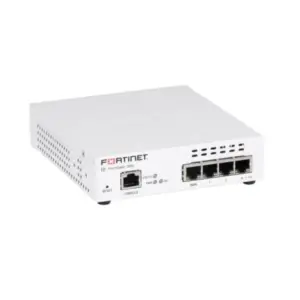
2 FXS and 2 FXO RJ11 ports
Desktop or wall mount
Selection, quotation, configuration and delivery coordination
Product Overview
Modern business communication is no longer limited to a desk phone and a set of incoming telephone lines. Teams expect extensions, voicemail, call queues, mobile access, conferencing, recordings, secure remote registration, directory services and manageable call flows. The UCM6302A brings these functions into a compact on-premise platform that can sit inside the organisation’s own network. It gives administrators direct control over extensions, trunks, routing policies, user permissions and daily telephone operations without requiring a separate server for basic PBX functions.
Capacity is an important reason to consider this model. Support for up to 500 users and 75 concurrent calls gives growing small and medium organisations room to connect multiple departments, branches, service counters, mobile users and shared facilities. The appliance includes two FXO ports for connection to supported public switched telephone network lines and two FXS ports for selected analogue phones, fax devices or other compatible equipment. This combination is useful for businesses moving gradually from legacy telephony to SIP-based communication because it supports a measured transition rather than forcing every existing line and device to be replaced at once.
The platform also supports collaboration through instant messaging, audio conferencing, web meetings and the Wave application. Users can communicate through compatible desktops, browsers and mobile devices, while IT teams retain control of the core PBX. UCM RemoteConnect can assist with secure remote access and NAT traversal when the selected service plan and deployment design include it. For organisations with Grandstream SIP endpoints, Zero Configuration provisioning can reduce repetitive handset setup and simplify larger extension deployments.
For Africa buyers, the value lies in selecting the correct system around the appliance. A reliable deployment depends on the SIP trunk or analogue line plan, network quality, PoE switching, internet resilience, endpoint choice, firewall rules, power protection, backup policy and staff call-flow requirements. FourTeck can help translate these operational needs into a practical bill of materials and quotation so the chosen communication platform fits the actual site rather than only matching a model name.
Key Business Benefits
A business telephone platform should improve how calls are answered, transferred, monitored and recovered when staff work from different locations. The following benefits explain how the appliance can support daily operations when it is correctly sized and configured.
◆ Growth Without Immediate Replacement
Capacity for hundreds of users lets an organisation begin with a smaller extension base and expand as departments, branches or service teams grow. Buyers can plan numbering, call groups and permissions early, reducing the risk of choosing a system that reaches its practical limit soon after deployment.
◆ Hybrid Line Flexibility
The combination of SIP capability, FXO trunks and FXS extensions supports gradual migration. A business may retain selected analogue resources while introducing IP phones, SIP services and remote users. This helps control transition risk and gives project teams more options when local carrier services vary.
◆ Better Call Handling
Auto attendants, queues, ring groups, time conditions, voicemail and routing rules can direct callers to the right team more consistently. Well-designed call flows reduce unanswered calls, improve reception performance and help managers create a more professional experience across departments.
◆ Support for Mobile Teams
Wave and secure remote connectivity options can extend business communication beyond the main office. Approved users can remain reachable while travelling, working from home or supporting another branch, subject to network quality, security policy and the chosen remote service configuration.
◆ Centralised Administration
A web-managed PBX gives IT teams one place to maintain extensions, trunks, prompts, routing schedules, user privileges and system settings. Compatibility with Grandstream device management services can further support provisioning and monitoring across approved products and sites.
◆ Resilience Planning
Hot Standby high-availability support and local dual-deployment capabilities give qualified projects a path toward stronger continuity. Real resilience also requires suitable power backup, network design, carrier redundancy, configuration backups and tested recovery procedures.
Product Highlights
The appliance is built around an audio-focused unified communications architecture. Its headline capacity is up to 500 registered users and 75 concurrent calls, including up to 75 concurrent secure RTP calls. This makes it suitable for organisations whose extension count is much higher than the number of people expected to speak externally at the same time. Capacity planning should still consider peak periods, call centre traffic, conference participation, recordings and remote connections.
Two FXS and two FXO ports with lifeline capability support selected legacy devices and lines.
Three adaptive Gigabit interfaces can operate in switched, routed or dual modes and include PoE+ support.
Instant messaging, audio meetings, web meetings and Wave access help connect office and remote users.
A full API supports qualified third-party application connections such as CRM or property management workflows.
Security functions include secure boot, an individual device certificate, randomly generated default credentials and support for encrypted management and media protocols. The platform can use SRTP, TLS, HTTPS, SSH and 802.1X within an appropriately designed network. Full-band Opus and a broad set of established voice codecs help with endpoint and carrier compatibility, while QoS capabilities can prioritise voice traffic when switches and routers are configured consistently.
A 320 by 240 colour touch display provides local shortcuts and status access. USB and SD interfaces support peripheral and storage-related functions, while the compact desktop or wall-mount form factor is practical for equipment rooms with limited space. Final features and service availability can depend on firmware, licences, remote service choices, carrier support and project design.
Technical Specifications
| Specification | UCM6302A Details |
|---|---|
| Brand and model | Grandstream UCM6302A |
| Platform type | Audio IP PBX and unified communications appliance |
| Maximum users | Up to 500 users |
| Concurrent call capacity | Up to 75 concurrent G.711 calls and up to 75 concurrent SRTP calls |
| Meeting capacity | Up to 5 simultaneous public rooms and up to 75 participants combined across rooms |
| FXS ports | 2 x RJ11 analogue telephone or fax ports with lifeline capability |
| FXO ports | 2 x RJ11 PSTN line ports with lifeline capability |
| Network interfaces | 3 x self-adaptive Gigabit ports; switched, routed or dual mode; integrated PoE+ |
| Router support | NAT router with router and switch modes |
| Peripheral interfaces | 1 x USB 2.0, 1 x USB 3.0 and 1 x SD card interface |
| Display | 320 x 240 colour LCD with touch control for shortcuts and scrolling |
| Voice and fax codecs | Opus, G.711 A-law and U-law, G.722 family, G.723.1, G.726-32, G.729A/B, iLBC, GSM and T.38 |
| Quality of service | Layer 2 802.1Q and 802.1p; Layer 3 ToS, DiffServ and MPLS QoS |
| Media and management security | SRTP, TLS, HTTPS, SSH and 802.1X support; secure boot and unique certificate protections |
| Telephony platform | Based on Asterisk version 16 |
| Provisioning | Grandstream Zero Configuration, encrypted XML provisioning and common discovery methods |
| Management | Web administration and compatibility with Grandstream Device Management System |
| Power | 100–240 VAC, 50/60 Hz input; 12 VDC, 1.5 A output power supply |
| Dimensions | 270 mm x 175 mm x 36 mm |
| Weight | Approximately 725 g unit weight; approximately 1,221 g packaged |
| Mounting | Desktop or wall mount |
| Configuration note | Final functionality depends on firmware, trunks, endpoints, remote service plan, network design and selected accessories |
How to interpret the specifications
The maximum user figure is not the same as simultaneous external call capacity. A business may register many extensions while only a percentage of users are on active calls at one time. Peak concurrency should be calculated from reception traffic, outbound sales activity, service queues, conferencing, branch calling and expected growth. A project that frequently approaches 75 simultaneous calls may require a higher-capacity model or a different architecture.
Analogue ports should also be planned carefully. Two FXO interfaces mean two supported analogue trunk connections, while two FXS interfaces serve two compatible analogue endpoints. Additional analogue lines or extensions may require a suitable gateway. Confirm local carrier signalling, fax needs, SIP trunk compatibility, emergency calling requirements and power-failure behaviour before finalising the order.
Configuration and Buyer Guidance
A successful PBX project begins with call behaviour, not only extension quantity. Before requesting a quotation, list every department, user role, reception point, queue, branch and remote worker that will depend on the system. Identify how many external calls may occur during the busiest hour, how many callers could wait in queues and whether large audio meetings will run at the same time. This information helps confirm whether the stated capacity provides enough working headroom.
1. Trunk Strategy
Confirm whether the site uses SIP trunks, analogue lines or both. Note the carrier, channel count, number portability needs and backup route.
2. Endpoint Plan
List desk phones, cordless devices, soft clients, conference units, analogue phones, fax machines, intercoms and door stations.
3. Network Readiness
Check switching, VLANs, PoE budget, cabling, internet quality, QoS, firewall rules, public addressing and remote-access design.
4. Continuity Needs
Decide whether the project needs UPS backup, secondary internet, alternative trunks, high availability, configuration backups or a documented recovery plan.
The call-flow design should include business hours, holidays, after-hours handling, voicemail policy, queue announcements, overflow destinations, recording requirements and manager access. Organisations handling sensitive information should define administrator roles, password controls, update procedures, encrypted calling requirements and log retention. FourTeck can review these details and help create a suitable equipment list that may include IP phones, PoE switches, gateways, headsets, UPS systems, network security and installation support.
Ideal Business Use Cases
Professional Offices
Law firms, consultants, accountants, agencies and corporate offices can organise reception, department extensions, voicemail, executive routing and remote calling from one managed platform. The capacity also allows room for new staff and additional branches.
Hospitality and Guest Services
Hotels and serviced facilities can use extensions, reception queues, room communication and qualified property-management integration. Final suitability depends on the PMS, room count, analogue device requirements, emergency policies and deployment design.
Clinics and Care Facilities
Reception teams, consultation rooms, administration, pharmacies and support desks can route calls more consistently. Call privacy, recording policy, network security and power continuity should be reviewed carefully for healthcare environments.
Education Campuses
Schools, colleges and training centres can connect reception, management, staff rooms, security points and administrative departments. Compatible intercom and paging integration may be considered as part of a wider communication plan.
Retail and Multi-Branch Operations
Stores, showrooms and service branches can create consistent extension plans and central call handling. Secure remote connectivity can help link authorised users, while local internet and failover requirements should be planned per site.
Customer Service Teams
Call queues, agent distribution, prompts, recordings and reporting can support service desks with moderate call volumes. Buyers should calculate busy-hour concurrency and confirm whether specialised contact-centre analytics or integrations are required.
The appliance is most suitable where an organisation values local control, a broad telephony feature set and a practical path to remote collaboration. It may not be the right choice for every project. Very large call centres, highly distributed cloud-first organisations or environments requiring more analogue ports may need a different model or architecture. FourTeck can help compare options based on real workload and operational priorities.
UCM6302A Call Capacity and Workload Handling
Telephone system sizing is often misunderstood because registered users, active calls and conference participants describe different loads. This model can support up to 500 user accounts, but its concurrent call ceiling is 75. In a normal office, many users may have an extension while only a smaller group is speaking at one time. In a busy contact environment, however, call concurrency can rise quickly because inbound queues, outbound campaigns, branch trunks, transfers and conference bridges all consume resources.
Buyers should estimate the busiest fifteen-minute or one-hour period rather than using the daily average. Count active reception calls, queue agents, manager calls, remote users, internal transfers that traverse trunks, conference participants and any expected growth. Leave practical headroom so the platform is not designed to operate continuously at its maximum. A project forecasting sixty or more simultaneous calls from day one deserves careful review because recording, encrypted media, meetings and future expansion may change the real load.
The appliance includes configurable call queues and automatic distribution options based on agent availability, skills and workload. These tools can improve service response when prompts, overflow rules and staffing are designed properly. They are not a substitute for workforce planning. Queue performance depends on enough agents being logged in, suitable reporting, reliable headsets, stable network paths and clear escalation procedures.
FourTeck can help a buyer translate extension count and expected call traffic into a realistic capacity discussion. Where requirements exceed the appliance’s comfortable range, a larger UCM model, alternative deployment or specialised contact-centre platform may be more appropriate. The objective is to choose a system that performs reliably during peak demand rather than one that only looks sufficient on a basic user-count comparison.
UCM6302A Remote Collaboration and User Mobility
Hybrid work has changed how organisations design business calling. A user may need the same extension identity at a desk, from a browser or on a mobile device. The Wave application supports voice and instant messaging access from compatible desktop, web, Android and iOS environments. It can also help users join meetings, view contacts, access call history and communicate with colleagues without depending only on a physical handset.
Remote connectivity must still be treated as a security and network project. UCM RemoteConnect provides an automated NAT traversal service for supported remote users and endpoints, but organisations should confirm the selected service plan, user allowance, firmware compatibility and operational policy. Remote call quality depends on internet latency, jitter, packet loss, wireless quality and the user’s local device. A soft client on an unstable network will not deliver the same result as a well-connected office phone.
Administrators should decide who may use remote access, which devices are approved, whether multi-factor controls or additional policies apply and how lost phones or departed employees are handled. Extension credentials should never be shared casually. Firmware, certificates, passwords and access logs need regular review. Where staff handle confidential calls, the organisation should define permitted locations, headset privacy and recording rules.
A well-planned hybrid deployment can keep reception, sales, management and support staff reachable across different work locations while maintaining a consistent business identity. FourTeck can help review remote-user numbers, endpoint choices, internet requirements and firewall considerations so mobility features are introduced safely and with realistic expectations about voice quality and ongoing administration.
UCM6302A Security, Management and Integration
A PBX is part of the organisation’s network perimeter because it connects users, carriers, remote devices and sometimes third-party applications. The appliance includes secure boot, a unique certificate and randomly generated default credentials to strengthen the initial security posture. It also supports encrypted media and management technologies including SRTP, TLS, HTTPS, SSH and 802.1X. These capabilities only protect the system when administrators configure them correctly and keep the platform updated.
Management can be performed through the web interface, while compatibility with Grandstream Device Management System can support centralised provisioning, monitoring and troubleshooting for approved Grandstream products. Zero Configuration is especially useful where many compatible handsets must receive extension settings, firmware policies and templates. It reduces repetitive manual entry, but administrators should still test templates on a small group before rolling them out to every device.
A full API is available for qualified third-party integrations, including customer relationship and property management platforms. Integration scope depends on the application, available connector, supported API functions and the organisation’s workflow. Buyers should define what the integration must do: open customer records on inbound calls, log call events, connect hotel room functions, trigger notifications or exchange directory information. A clear requirement prevents the project from relying on an assumed feature that the selected software cannot deliver.
Strong administration requires role-based access, unique passwords, configuration backups, change records, secure remote management and a tested update plan. The PBX should sit on an appropriately segmented network with voice VLANs, firewall controls and quality-of-service policies. FourTeck can help identify the surrounding network components and implementation support required to make the communication system manageable over its full operating life.
What Buyers Should Check Before Purchase
Before requesting a quote, confirm the usage environment, capacity, compatibility and service expectations. Choosing only by model name can lead to missing trunks, insufficient PoE, unsuitable phones, poor remote-call quality or an unclear warranty route. A concise project brief helps FourTeck recommend the right appliance and accessories.
Configuration Fit
Share the total users, expected peak concurrent calls, queue agents, conference size, branches and remote users. State whether call recording, fax, paging, intercom or high availability is required.
Compatibility Check
Identify the SIP carrier, analogue line type, existing IP phones, gateways, switches, firewall, CRM, PMS and any door or paging devices. Compatibility should be confirmed by exact model and software version.
Power and Network
Confirm clean power, UPS runtime, rack or wall location, ventilation, Ethernet cabling, VLAN design, PoE budget, internet quality and backup connectivity. Voice reliability depends on the full infrastructure.
Availability and Warranty
Ask for current supplier availability, expected lead time, included accessories, warranty route and support options. These factors can vary by destination, quantity and source.
Implementation Scope
Clarify whether the quote should include installation, configuration, number migration, handset provisioning, prompts, training, documentation, testing or post-deployment support.
Long-Term Operating Cost
Consider SIP service fees, remote-connect subscriptions where selected, replacement phones, internet redundancy, power backup, maintenance time, software updates and future expansion.
Africa Availability and Service Support
FourTeck supports product enquiries across Africa with assistance for model selection, capacity review, quotation, delivery coordination and warranty guidance. Availability may vary according to supplier status, order quantity, project timing and the exact bundle required. A complete quotation can include the appliance, compatible endpoints, gateways, switching, headsets, power protection and implementation services where requested.
Pre-sales guidance is especially valuable for communication projects because the PBX is only one part of the system. FourTeck can help review existing analogue lines, SIP services, extension counts, remote users, call queues, network switches and security requirements. This reduces the chance of ordering a central appliance without the supporting components needed for a stable deployment.
Delivery options and warranty handling depend on destination and supply route. Buyers should request a current commercial proposal rather than relying on a generic online price, because freight, duties, support scope and accessories can materially change the total project cost. Share the business location, quantity and intended deployment so the team can advise on the next practical step.
Africa Country and Regional Coverage
Businesses across Africa, including Kenya, Uganda, Nigeria, Ghana, Tanzania, Rwanda, Ethiopia, South Africa, Zambia, Botswana, Senegal and nearby regional markets can contact FourTeck for product availability, configuration guidance and quote assistance. The team can help buyers review user capacity, analogue and SIP trunk requirements, endpoint compatibility, remote-work needs, accessories and project delivery considerations.
Requirements differ between markets because carrier services, import processes, power conditions, internet reliability and local installation resources are not identical. A branch with stable fibre and SIP services may need a different continuity plan from a site that relies on analogue trunks or multiple internet links. FourTeck uses the buyer’s location and technical brief to guide the commercial discussion rather than assuming one standard package for every country.
Regional buyers can also use FourTeck Kenya and FourTeck Uganda for relevant country-focused support. For wider product browsing, visit the FourTeck Africa IT products section.
GCC, Middle East and Africa Availability
FourTeck Africa can support business communication enquiries across Africa while guiding wider procurement through selected FourTeck platforms serving GCC and Middle East markets. Organisations with offices or projects spanning the UAE, Saudi Arabia, Qatar, Oman and Bahrain can request regional coordination alongside their Africa requirements. Product availability, delivery route, warranty handling and support scope may differ by country and order size.
Multi-country buyers should share a site list, quantities, preferred delivery schedule and whether every location will use the same trunk provider, phone models and call-flow design. Standardising the core platform can simplify administration, but local carrier rules, emergency calling and internet conditions still require site-specific review. A phased deployment may be safer than shipping all equipment before a pilot site has confirmed the configuration.
For GCC procurement discussion, visit FourTeck UAE. For Africa-focused assistance, use the FourTeck Africa contact page and include the destination, quantity, user count, trunk plan and required implementation scope.
Other Options and Compatible Communication Products
The correct alternative depends on capacity, analogue port count and deployment type. Buyers may also need compatible endpoints and mobility products to complete the communication environment. The following options provide useful starting points for discussion; final compatibility and availability should be confirmed before ordering.
Grandstream UCM6300A
Consider for smaller SIP-focused deployments that do not require integrated FXS or FXO ports. Capacity and exact feature requirements should be reviewed.
Grandstream UCM6304A
A larger audio-series model for projects needing more users, higher call capacity and four FXS plus four FXO interfaces.
Grandstream UCM6308A
Suitable for higher-capacity audio deployments requiring additional analogue ports and a rack-mount format.
Yealink W76P DECT System
A cordless SIP endpoint option for teams that need office mobility. PBX registration and deployment settings must be confirmed.
Yealink W77P Rugged DECT
Useful for warehouses, clinics and service environments that require a more durable cordless handset experience.
Yealink W75 Multi-Cell DECT
Consider for larger cordless coverage areas where users need movement across multiple base zones.
Why Buyers Choose FourTeck
Business communication purchases involve more than comparing a central appliance and a visible online price. The final solution may include carriers, phones, gateways, switches, UPS systems, headsets, remote services, installation and training. FourTeck helps procurement teams bring these parts together into a clearer buying process.
Guidance connects telephony requirements with networking, security, power and user workflow.
The team can review user counts, trunks, call flows, endpoints, accessories and future growth.
Commercial proposals can be prepared around quantity, destination, support scope and project timing.
Regional requirements are reviewed according to supply route and destination rather than assumed.
Buyers can request clarity on warranty route and support expectations for the proposed source.
Where capacity or availability changes, suitable models and supporting products can be discussed.
FourTeck works with small businesses, project buyers, resellers, system integrators and enterprise procurement teams. The aim is to help each buyer avoid a mismatched configuration, overlooked accessory or unclear implementation responsibility. No supplier can remove every project risk, but a detailed requirement and a transparent quotation provide a stronger foundation for a dependable rollout.
Frequently Asked Questions
What is the Grandstream UCM6302A used for?
It is an audio IP PBX used to manage business extensions, SIP and analogue trunks, call routing, voicemail, queues, auto attendants, audio meetings and remote communication. It is suitable for organisations that want a locally controlled telephone platform with collaboration and mobility features for office and authorised remote users.
How many users and calls can the appliance support?
The UCM6302A supports up to 500 users and up to 75 concurrent calls. The maximum user count is not the same as the number of simultaneous conversations. Buyers should calculate peak call activity, conference use, queue traffic, recordings and future growth before confirming that the model has adequate operating headroom.
Can it connect analogue telephone lines and devices?
Yes. It includes two FXO ports for supported analogue public telephone lines and two FXS ports for compatible analogue phones, fax machines or similar devices. Projects requiring more than two analogue trunks or endpoints may need a suitable gateway or a larger model. Carrier signalling and fax compatibility should be checked before deployment.
Does it support remote and mobile users?
The platform supports Wave applications for compatible desktop, browser and mobile environments. UCM RemoteConnect can provide supported remote connectivity and NAT traversal according to the selected service plan. Voice quality and security still depend on internet performance, endpoint configuration, access policy and the organisation’s network design.
Can FourTeck help with configuration?
FourTeck can help review user capacity, trunks, endpoints, call queues, auto attendants, remote users, network readiness, accessories and implementation requirements. The exact service scope should be agreed in the quotation. Sharing a clear site and call-flow brief allows the team to recommend a more practical configuration.
Is the product available across Africa?
FourTeck accepts product enquiries from businesses across Africa. Current availability, lead time, delivery route and warranty handling depend on destination, quantity, supplier status and the required bundle. Request a current quotation with your location, quantity and deployment details rather than relying on an old or generic availability statement.
What should I provide for an accurate quote?
Provide the delivery city and country, quantity, total extensions, expected concurrent calls, trunk type, current phone models, remote-user count, required accessories and preferred deployment date. Also state whether installation, configuration, training, number migration, call prompts, documentation or ongoing support should be included.
Does the system include every phone and licence needed?
The central appliance is normally only one component of the project. IP phones, cordless systems, headsets, gateways, PoE switches, UPS equipment, SIP services and remote-connect plans may be separate. The quotation should identify what is included so the buyer can compare complete project cost rather than appliance price alone.
Can businesses request bulk or multi-site supply?
Yes. Businesses, resellers and project teams can request quantity-based or multi-site quotations. Share the site list, quantity per location, preferred rollout stages and whether the configuration should be standardised. FourTeck can discuss supply coordination, alternative models, endpoint bundles and implementation responsibilities based on the project scope.
Need Help Planning Your Business Phone System?
FourTeck can help review product availability, user capacity, trunk options, compatible endpoints, network readiness, warranty guidance and delivery requirements. Share your site details and communication goals to start a practical quotation discussion.
Reviews
There are no reviews yet.