

Grandstream WP825 Ruggedized Wi-Fi Phone in Africa
Equip mobile employees with a durable cordless SIP handset built for demanding workplaces where clear communication, Wi-Fi roaming, shift-long battery performance, and resistance to dust, water, cleaning chemicals, and accidental drops matter. FourTeck supports business buyers with model review, network-readiness guidance, PBX compatibility discussion, quote preparation, delivery coordination, and practical deployment planning.
✓ Dual-Band Wi-Fi
✓ Two SIP Accounts
✓ Configuration Guidance
✓ Regional Quote Support
Quick Product Information
Product Overview
Many business phone environments are still designed around a desk. That arrangement works for reception staff, office administrators, and employees who spend most of the day at one workstation, but it does not fit teams that move constantly. Warehouse supervisors walk between loading bays and inventory zones. Nurses and clinic coordinators move between rooms. Security staff patrol buildings and external checkpoints. Retail managers alternate between customer areas, counters, and back offices. Hotel operations teams may spend an entire shift away from a fixed telephone. In each of these situations, communication must follow the employee rather than remain tied to a wall or desk.
This rugged cordless Wi-Fi phone addresses that operational gap by connecting directly to a compatible wireless network and registering with a SIP-based phone system or service. It is not a consumer mobile phone and does not depend on a cellular SIM for normal operation. Instead, it acts as a business extension over Wi-Fi, allowing approved users to receive calls, transfer conversations, place internal or external calls, use a speakerphone, access a phonebook, and perform familiar telephony functions while moving within the designed wireless coverage area.
The rugged construction is the main reason buyers evaluate this model instead of a standard office handset. Its IP67-rated enclosure is designed to resist dust and water exposure, and the manufacturer specifies drop protection from up to 2.5 metres. The casing is also described as resistant to common cleaning chemicals and incorporates an anti-microbial treatment. These characteristics are relevant where equipment is handled repeatedly, exposed to dirty or wet working conditions, cleaned frequently, carried on a belt, or used by several team members across different shifts.
Communication performance remains equally important. The handset supports dual-band 2.4 GHz and 5 GHz Wi-Fi, advanced roaming features, two SIP accounts, two lines, HD voice, dual microphones, acoustic echo cancellation, and noise-reduction technology. Integrated Bluetooth supports compatible wireless headsets, while a 3.5 mm headset jack provides a wired option. A dedicated configurable key can be assigned to push-to-talk, which can help operations teams coordinate more quickly when the phone system and application design support that workflow.
For Africa buyers, the correct purchase decision depends on more than handset specifications. Wi-Fi coverage quality, roaming design, channel planning, call admission, voice quality settings, SIP compatibility, provisioning, power availability, charging routines, user training, and warranty terms all affect the finished result. FourTeck helps buyers review these practical details before quotation so the device is selected as part of a working communications environment rather than as an isolated item.
Key Business Benefits
The value of a rugged Wi-Fi handset is measured by the work it helps people complete. The following benefits connect the hardware features to practical business outcomes for operations, customer service, safety, and support teams.
◆ Communication That Moves With Staff
Employees can carry their business extension through covered work areas instead of returning to a fixed phone. Faster access to calls can reduce missed updates, shorten response time, and support better coordination between customer-facing and operational teams.
◆ Lower Risk in Tough Environments
Dust, splashes, repeated handling, and accidental drops can damage ordinary handsets. A rugged enclosure helps businesses use purpose-built equipment in warehouses, clinics, workshops, retail floors, and security operations where device failure can interrupt work.
◆ Clearer Calls in Active Workspaces
HD audio, dual microphones, acoustic echo cancellation, and noise-reduction features support more intelligible conversations. Clearer speech helps reduce repetition and misunderstandings when staff are surrounded by movement, machinery, people, or background activity.
◆ Better Use of Existing Wi-Fi
The phone operates over a suitable business wireless network, avoiding the need for a separate DECT radio layer in some deployments. This can simplify expansion where the existing WLAN already provides planned coverage, security, quality of service, and roaming.
◆ Practical Shift Mobility
A 2000 mAh rechargeable battery is specified for up to eight hours of talk time and up to 200 hours of standby under suitable conditions. A clear charging plan can help teams keep handsets available across normal shifts and handovers.
◆ Flexible Headset and PTT Options
Integrated Bluetooth and a 3.5 mm jack allow buyers to select compatible headsets for hands-free work. The configurable push-to-talk key can also support rapid group communication when it is correctly mapped to the chosen communication platform.
◆ Manageable Multi-Site Deployment
Provisioning tools and Grandstream device management support can help IT teams configure, update, monitor, and troubleshoot groups of endpoints. Centralized administration becomes valuable when phones are distributed across departments, branches, or customer sites.
Product Highlights
This handset combines enterprise voice features with a body designed for more demanding use. Its strength is not one isolated specification, but the way mobility, durability, wireless connectivity, voice quality, and manageable deployment work together.
Final performance depends on the wireless environment and the communications platform. Buyers should not assume that adding a rugged phone will correct poor signal coverage, congested access points, misconfigured quality of service, incompatible SIP settings, or weak internet connectivity. A proper review helps the product deliver its intended value.
Technical Specifications
How to Read These Specifications
The listed values describe the handset platform, but they do not guarantee the same experience in every building. Talk time varies with signal conditions, call activity, display use, Bluetooth, audio level, age of battery, temperature, and charging habits. Roaming depends on compatible access points and careful WLAN design. SIP features depend on the selected PBX or service provider. Headset behavior depends on accessory compatibility. Before approving a project quantity, buyers should validate the phone on the intended network, confirm required codecs and security policies, review provisioning, and test handover in the actual movement path used by employees.
Configuration and Buyer Guidance
A rugged handset can be a strong operational tool, but successful deployment starts with a clear requirement. Buyers should define the work pattern first, then confirm the network and telephone platform. Selecting only by model name can lead to weak coverage, incomplete accessories, unsuitable charging arrangements, or unexpected integration work.
1. Map the Movement Area
Identify corridors, aisles, rooms, service yards, stairwells, storage zones, and checkpoints where users must remain reachable. A site map helps determine whether the wireless network provides continuous voice-grade coverage rather than basic data access.
2. Confirm PBX Compatibility
Record the IP-PBX, hosted voice provider, SIP registrar, security method, codec policy, extension plan, and provisioning process. Standard SIP support is broad, but platform features and templates may vary.
3. Review Wi-Fi Capacity
Voice needs stable latency, low packet loss, appropriate signal strength, controlled interference, and access-point capacity. A network that works for email may still deliver poor roaming calls when users move.
4. Plan Charging and Spares
Decide where cradles will be placed, who is responsible for charging, whether shift handover requires spare batteries or spare units, and how damaged accessories will be replaced.
5. Select User Accessories
Consider belt clips, compatible wired or Bluetooth headsets, protective operating procedures, labeling, and shared-device hygiene. Accessories should match the job rather than be added after deployment.
6. Define Administration
Choose how accounts, firmware, settings, passwords, and replacements will be managed. Centralized templates reduce inconsistency when many handsets are installed across sites or departments.
A pilot deployment is useful for larger projects. Test several handsets during real shifts, including calls while walking between access points, headset use, charging routines, push-to-talk behavior, phonebook access, and background noise. Feedback from actual users often reveals practical issues that a desk-based technical test will not show.
Ideal Business Use Cases
The phone is best suited to roles where employees need a business extension while moving through a controlled Wi-Fi environment and where a fragile handset would create unnecessary risk. The following examples show how different organisations can use the same platform for distinct operational needs.
Warehousing and Logistics
Supervisors, dispatch teams, receiving staff, and stock controllers can remain reachable while moving between loading bays, aisles, storage rooms, and offices. The rugged body is relevant where dust, movement, gloves, and accidental drops are part of daily work.
Healthcare and Clinics
Nurses, ward coordinators, maintenance teams, and support staff can receive internal calls while moving between rooms. Chemical-resistant and anti-microbial casing characteristics may be useful where devices are cleaned frequently, subject to site hygiene policy.
Retail and Supermarkets
Floor managers, stock teams, security staff, and service supervisors can answer calls away from the office. Mobility helps teams coordinate customer requests, deliveries, price checks, and operational issues without relying only on public address announcements.
Hospitality Operations
Housekeeping supervisors, engineering teams, duty managers, and guest-service staff can carry extensions around covered hotel areas. Calls can be routed to the people handling the task rather than waiting at a fixed back-office phone.
Security and Facilities
Guards, building supervisors, technicians, and patrol teams can use mobile voice and compatible push-to-talk workflows for incident reporting, visitor coordination, equipment checks, and internal escalation across managed premises.
Manufacturing and Workshops
Production supervisors and maintenance personnel can carry a durable handset between work areas where standard office phones are impractical. Wireless and audio planning should account for machinery, metal structures, noise, and changing movement routes.
Education Campuses
Facilities, security, laboratory, boarding, and administration staff can stay connected across covered buildings. Central management can help IT teams keep configurations consistent when handsets are assigned to roles rather than individuals.
Field Offices and Project Sites
Temporary operational offices with managed wireless coverage can use SIP handsets for internal and external calling. The device is not a substitute for cellular coverage outside Wi-Fi range, so project boundaries and access-point placement must be clear.
Grandstream WP825 Rugged Durability and Workplace Protection
Durability is valuable when it matches a real operating risk. A conventional cordless phone may be perfectly suitable in a carpeted office, but it can become an expensive consumable in a warehouse, clinic, workshop, loading area, or security environment. Repeated falls, dust ingress, splashes, cleaning routines, and shared use can shorten the life of equipment that was designed only for light office handling.
The handset’s IP67 rating indicates strong protection against dust and water under defined test conditions. The manufacturer also describes the enclosure as cleaning-chemical resistant and anti-microbial, with drop protection from up to 2.5 metres. For buyers, these features can mean fewer disruptions caused by accidental handling events and a better fit for teams that cannot treat every device like delicate desktop equipment.
Rugged does not mean indestructible. The phone should still be handled according to the user guide, charged in a suitable dry location, kept within specified operating temperatures, and inspected after heavy impact. Water resistance can be affected by damage, open ports, worn seals, or improper use. Chemical resistance does not mean every industrial substance is safe. Buyers should review cleaning agents and environmental exposure against manufacturer guidance and internal safety policy.
A practical deployment policy improves long-term value. Label each handset, assign responsibility, provide belt clips where useful, define charging points, record battery replacement dates, and keep a small number of configured spare units for critical operations. These simple controls often have as much impact on availability as the rugged rating itself.
Grandstream WP825 Wi-Fi Roaming and Voice Reliability
A Wi-Fi phone is only as reliable as the network carrying the call. Data applications can tolerate brief delays or retransmissions that users barely notice, but voice is continuous. Weak signal, congestion, interference, poor channel planning, high latency, or a slow handover between access points can create clipped audio, one-way sound, dropped calls, and frustrated users.
The phone supports dual-band Wi-Fi and roaming standards such as 802.11k, 802.11r, and 802.11v. These capabilities can help compatible access points and clients exchange information that supports faster transitions as a user moves. The benefit is strongest when the WLAN is designed for voice, the same security profile is applied consistently, roaming features are correctly configured, and coverage cells overlap in a controlled manner.
Buyers should evaluate signal strength in the places where calls actually happen, not only near access points. Metal shelving, concrete walls, lift shafts, machinery, refrigeration equipment, and busy public areas can change radio behavior. A voice survey should include stairwells, storage corners, service corridors, loading zones, and transition points between buildings. The number of concurrent calls and other wireless devices also matters because voice shares airtime with scanners, laptops, tablets, cameras, and guest traffic.
Network segmentation and quality-of-service policies can help protect voice performance. It is often useful to place phones on a dedicated voice SSID or VLAN, apply appropriate authentication, prioritize real-time traffic, and monitor access-point health. FourTeck can help buyers identify the information required for a wireless-readiness review before a larger handset rollout.
Grandstream WP825 HD Voice, Security, and Central Management
A rugged body is useful only when the phone also performs well as a business communication endpoint. The handset supports wideband audio, HD voice on the earpiece and speakerphone, dual microphones, acoustic echo cancellation, and noise-management features. It also supports widely used codecs including G.711, G.729, G.722, iLBC, and Opus. The final codec selection depends on the PBX, service provider, bandwidth policy, and interoperability requirements.
Security should be planned across the complete call path. The device supports encrypted signaling and media technologies such as TLS and SRTP, enterprise Wi-Fi authentication, WPA3 options, 802.1X, administrator controls, and encrypted configuration files. These capabilities help IT teams align the handset with stronger network and voice policies, but they must be enabled and supported by the surrounding infrastructure.
For multi-device deployments, manual configuration can become inconsistent and difficult to maintain. Provisioning support and the Grandstream Device Management System provide a path for centralized settings, firmware updates, monitoring, troubleshooting, and grouped administration. A standardized template can reduce setup time and make replacements easier because a spare phone can receive the approved configuration instead of being rebuilt from memory.
Good management also requires process. Assign administrator ownership, protect credentials, document extension allocation, schedule firmware review, test changes before broad rollout, and remove inactive accounts promptly. These controls help the endpoint remain part of a managed business system rather than becoming an unmanaged wireless device on the network.
What Buyers Should Check Before Purchase
Before requesting a quote, buyers should confirm the operating requirement, usage environment, compatibility needs, warranty expectations, and delivery location. FourTeck can help review these details so the selected phone matches the business requirement instead of being chosen only by model name or unit cost.
Configuration Fit
Confirm SIP account count, extension plan, codec requirements, dial rules, call transfer behavior, phonebook method, push-to-talk expectations, and whether one handset is assigned per user or shared by a role.
Compatibility Check
Identify the PBX or hosted service, authentication method, TLS and SRTP policy, provisioning format, Wi-Fi security, headset requirements, and any platform-specific features that must be supported.
Coverage and Roaming
Provide a site map, access-point models, SSID design, expected movement paths, user count, and any known weak-signal areas. Voice-grade wireless coverage is more demanding than casual internet access.
Accessories and Charging
Check whether the standard cradle is enough, whether spare batteries or units are needed, and whether users require Bluetooth or wired headsets, additional belt clips, labels, or centralized charging arrangements.
Environment Requirements
Describe dust, water, cleaning chemicals, temperature, gloves, noise, impact risk, and shared handling. This helps confirm that the rugged features fit the site and that user procedures remain appropriate.
Warranty and Support
Ask what warranty terms apply to the selected supply route, what proof of purchase is required, how accidental damage is treated, and where troubleshooting or replacement coordination will be handled.
Deployment Scope
Decide whether the requirement is hardware supply only or includes account creation, firmware review, WLAN tuning, provisioning templates, testing, labeling, user handover, and documentation.
Quote Preparation
Provide quantity, destination, required date, end-user or project context, PBX details, accessories, support scope, and any compliance or commercial documentation needed for procurement approval.
Long-term cost should include more than the handset price. Consider wireless improvements, configuration time, accessories, spare units, battery replacement, user training, support, and the operational cost of downtime. In a demanding workplace, a purpose-built rugged endpoint may cost more initially than a basic cordless phone but can be more appropriate when interruptions and repeated breakage are expensive. For buyers comparing similar models, FourTeck can also help review non-rugged Wi-Fi phones, DECT alternatives, newer Wi-Fi 6 handsets, or multi-cell systems based on coverage and mobility needs.
Africa Availability and Service Support
FourTeck supports product inquiries across Africa with assistance for product selection, configuration review, quotation, delivery coordination, and warranty guidance. Availability may vary according to supplier status, destination, quantity, selected accessories, and the required support scope. For that reason, buyers should request current confirmation rather than rely on a static stock statement.
A complete inquiry should include the number of phones, business sector, site environment, existing phone system, wireless infrastructure, required headsets or spare batteries, delivery location, and project timing. This information allows the sales and technical teams to identify the correct model, highlight possible compatibility work, and prepare a more useful quotation.
Where deployment support is required, the scope can be discussed separately. It may include remote configuration guidance, provisioning preparation, basic interoperability checks, wireless readiness discussion, or coordination with the buyer’s local IT team or system integrator. Final responsibilities should be documented clearly before supply.
Africa Country and Regional Coverage
Businesses across Africa, including Kenya, Uganda, Nigeria, Ghana, Tanzania, Rwanda, Ethiopia, South Africa, Zambia, Botswana, Senegal, and other regional markets can contact FourTeck for current product availability, configuration guidance, and quote assistance. The team can help buyers review suitable models, related options, deployment requirements, accessories, and project supply needs based on actual business use.
Delivery methods, tax handling, import requirements, lead time, warranty route, and on-site service possibilities differ by destination and order structure. Buyers should share the full delivery address and commercial requirements early, especially for multi-branch projects, government or institutional procurement, reseller orders, and deployments that require coordinated shipments. Regional guidance is intended to make the buying process clearer while avoiding assumptions about local stock or identical terms in every market.
GCC, Middle East and Africa Availability
FourTeck Africa can support communication-product inquiries for businesses across the continent while also guiding suitable requirements through selected FourTeck platforms serving GCC and Middle East markets. Organisations with operations in Africa, UAE, Saudi Arabia, Qatar, Oman, or Bahrain may need consistent handset standards, central provisioning, common accessories, and coordinated documentation across locations.
Regional supply terms vary according to country, project quantity, available channel, support expectations, and delivery route. A model available in one market may require a different lead time or warranty path in another. Multi-country buyers should therefore provide a location list, quantity per site, required delivery sequence, invoicing structure, and technical standard so the proposal can be reviewed as one coordinated requirement.
Other Options Buyers May Consider
The correct cordless communication platform depends on the wireless environment, required durability, user count, coverage size, and existing PBX. The alternatives below can help buyers compare rugged DECT, general DECT, and compact phone-system options when a Wi-Fi handset is not the only possible approach.
Yealink W77P Rugged DECT System
Consider this when the business prefers DECT coverage through a dedicated base station and needs a rugged handset for warehouses, clinics, retail floors, or operational teams.
Yealink W76P Cordless Phone System
A practical choice for general offices, clinics, hotels, and service teams that need scalable DECT mobility but do not require the same rugged protection level.
FortiVoice FVE-20E2 Phone System
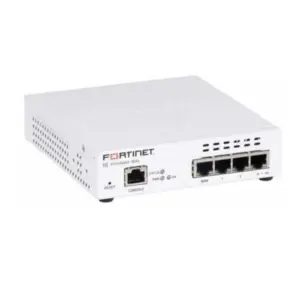
Suitable for small offices that need a compact IP-PBX appliance to organise extensions, call routing, voicemail, and a mixed environment of VoIP and selected analog connections.
IP Phone Category Options
Browse related desk, cordless, rugged, SIP, and business communication endpoints when comparing user roles, call features, deployment models, and accessory needs.
A Wi-Fi handset is often the right choice when the organisation already has well-designed wireless coverage and wants phones to roam across that infrastructure. DECT may be preferable when voice needs a separate, controlled radio system with known base-station coverage. Larger campuses may require multi-cell DECT or enterprise WLAN planning. FourTeck can help compare the approaches without assuming one technology is correct for every site.
Why Buyers Choose FourTeck
Business communications purchases often involve several connected decisions: the handset, PBX, SIP provider, Wi-Fi network, accessories, provisioning, security, support, and delivery. FourTeck helps buyers bring these questions together so procurement teams receive a more complete view of the requirement.
Business IT Supply Support
Guidance is framed around operational use, not only a catalogue specification. Buyers can discuss user roles, site conditions, project quantities, and related infrastructure.
Configuration Guidance
The team can help identify PBX, Wi-Fi, security, provisioning, and accessory information that should be confirmed before purchase or deployment.
Quote Assistance
Commercial proposals can reflect quantity, destination, accessories, support scope, and available supply route rather than presenting an unsupported universal price.
Africa Delivery Coordination
Regional buyers can discuss delivery location, project timing, multi-site quantities, documentation, and other logistics requirements before the order is finalised.
Warranty Guidance
Applicable warranty terms can be explained according to the selected supply route, giving buyers a clearer understanding of proof, process, and support expectations.
Alternative Product Matching
When the requested model is unsuitable or unavailable, buyers can review related Wi-Fi, DECT, rugged, or desk-phone options based on the actual requirement.
FourTeck supports small businesses, enterprise buyers, institutions, resellers, system integrators, and project teams. The most effective engagement begins with a clear requirement and honest constraints. This allows the product discussion to focus on fit, lifecycle, deployment, and business continuity instead of relying on generic claims.
Frequently Asked Questions
What is this rugged Wi-Fi phone used for?
It is used as a portable SIP business extension for employees who move through Wi-Fi-covered work areas. Typical users include warehouse supervisors, nurses, retail managers, security teams, hotel operations staff, technicians, and facilities personnel. It supports normal business calling features while providing a tougher body than a standard office handset.
Does it require a cellular SIM card?
No. Normal operation is based on Wi-Fi and SIP rather than a mobile network SIM. The handset connects to a compatible wireless LAN and registers with an IP-PBX or hosted voice service. Calls outside the designed Wi-Fi area will not work unless another supported connectivity arrangement is provided.
Can it roam between multiple access points?
The phone supports roaming features including 802.11k, 802.11r, and 802.11v. Effective roaming still depends on compatible access points, consistent security settings, suitable cell overlap, controlled interference, and voice-grade WLAN design. A site test is recommended for routes where users must maintain calls while moving.
How rugged is the handset?
The manufacturer specifies an IP67-rated body with protection against dust and water under defined conditions, resistance to common cleaning chemicals, an anti-microbial casing, and drop safety from up to 2.5 metres. Rugged does not mean indestructible, so users should still follow handling, charging, temperature, and cleaning guidance.
How long does the battery last?
The 2000 mAh battery is specified for up to eight hours of talk time and up to 200 hours of standby under suitable conditions. Actual results vary with signal quality, call volume, display use, Bluetooth, audio level, battery age, temperature, and charging habits. Shift-based deployments should include a clear charging and spare-unit plan.
Can FourTeck help with configuration?
FourTeck can help buyers identify configuration requirements, review PBX and Wi-Fi information, prepare quotation scope, and discuss provisioning or deployment support. The exact service depends on the project, platform, destination, and agreed responsibilities. Share your PBX model, SIP provider, network design, quantity, and required features for a useful review.
Is the phone available for delivery across Africa?
FourTeck supports regional inquiries and delivery coordination, but availability and lead time depend on supplier status, quantity, destination, and selected accessories. Buyers should request current confirmation with a full delivery address and project timeline. No static stock assumption should be used for procurement approval.
What information is needed for a quote?
Provide the required quantity, delivery country and address, user roles, operating environment, current IP-PBX or hosted voice service, Wi-Fi access-point platform, headset or spare-battery requirements, support scope, and expected delivery date. For bulk or project supply, include branch quantities and commercial documentation needs.
Are there suitable alternatives for larger sites?
Yes. Depending on coverage and user count, buyers may evaluate other Grandstream Wi-Fi models, rugged DECT systems, standard DECT systems, or multi-cell platforms. Larger campuses may need a structured wireless voice survey or a dedicated multi-cell design. FourTeck can help compare the choices based on movement areas, durability, and existing infrastructure.
Can businesses request bulk or multi-site supply?
Yes. Businesses, institutions, resellers, and project teams can request bulk or multi-site quotation support. The requirement should state quantity per location, configuration standard, accessory bundle, labeling, provisioning expectations, delivery sequence, warranty needs, and local installation responsibility. A pilot batch may be recommended before a large rollout.
Need Help Choosing the Right Rugged Phone?
FourTeck can help review product availability, Wi-Fi readiness, SIP compatibility, accessories, warranty guidance, and delivery requirements for your business location. Share the site type, quantity, phone platform, and user movement areas to begin a practical quotation.
Reviews
There are no reviews yet.