

Grandstream DP752 DECT Base Station in Africa
Create a practical cordless SIP calling environment for staff who move between offices, counters, stock areas, corridors, workshops and service zones. The DP752 connects compatible Grandstream DECT handsets to a business VoIP platform, supports multiple accounts and concurrent calls, and gives buyers a manageable route to workplace mobility without replacing the entire phone system with wireless infrastructure.
✓ 10 SIP Accounts
✓ Integrated PoE
✓ Configuration Guidance
Request Quote
Check Africa Availability
Quick Product Information
Product Overview
Cordless business communication is useful when people cannot remain beside a fixed desk phone. A store supervisor may move between a sales floor and a back office. A warehouse coordinator may need to answer suppliers while checking stock. A clinic employee may need to move between reception and treatment areas. In each case, the communication system must keep the user reachable without forcing the organisation to depend on personal mobile phones or consumer cordless devices. The DP752 is designed to connect professional DECT handsets to an IP-based phone service and extend managed business calling into these mobile working patterns.
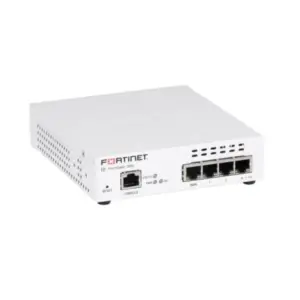
The base station registers compatible Grandstream DP-series handsets and connects to the data network through Ethernet. One base can support up to five handsets, up to ten SIP accounts and as many as five simultaneous calls. These limits make it especially relevant for small and medium sites, focused departments, branch offices and operational zones where a modest number of mobile employees need dependable extension access. It is not a large multi-cell platform, and it should not be selected solely because its maximum radio distance appears sufficient. Building materials, walls, floors, metal shelving, machinery and nearby radio sources can reduce practical coverage, so a site assessment or careful placement plan remains important.
The system can map accounts to selected handsets and supports flexible ringing behaviour. A shared reception number can ring several users, a department account can be directed to a specific handset, or call distribution can be arranged according to operational needs. Standard telephony functions such as hold, transfer, forwarding, waiting, conferencing, downloadable directories and call records help the cordless users participate in normal business workflows rather than operate as isolated mobile extensions.
For an Africa-focused procurement project, product selection should include the correct regional radio variant, compatible handsets, suitable power method, network readiness, PBX or hosted SIP interoperability, accessories and warranty expectations. FourTeck helps buyers turn those technical questions into a clear bill of materials and quotation request. That support is valuable where a buyer needs one base for a small office, several independent bases for branch locations, or a wider phone-system project that includes switches, IP PBX equipment, handsets and configuration services.
Key Business Benefits
The value of a DECT base station is not measured only by range or account numbers. Buyers should consider how the device changes daily communication, how easily it fits into the existing network and how well it can be supported over time. The following benefits translate the DP752 platform into practical business outcomes.
◆ Mobility Without Personal Phones
Staff can remain connected to business extensions while moving around approved work areas. This supports cleaner call handling, more consistent caller identity and less reliance on employees using personal mobile numbers for operational conversations.
◆ Controlled Team Expansion
A single base can serve up to five compatible handsets. A small team can begin with the required number and add users within the platform limit, provided account mapping, call capacity and radio coverage remain suitable.
◆ Simpler Power Planning
Integrated IEEE 802.3af PoE allows the network cable to deliver data and power from a suitable switch or injector. This can reduce local power-adapter dependence and can support a cleaner installation near optimal radio placement.
◆ Flexible Call Distribution
Shared SIP accounts and ring-group choices help a business decide whether several handsets ring together, ring in sequence or direct incoming calls to a designated user. This is useful for reception, service and departmental workflows.
◆ Clearer Voice Experience
Wideband codec support, including G.722 and Opus, can deliver clearer speech when the handset, PBX, provider and network path support the same codec. Better intelligibility helps staff handle names, order details and service requests accurately.
◆ Manageable Deployment
TR-069, encrypted XML configuration and web-based upgrade options provide practical tools for repeatable setup. Grandstream UCM users can also consider Zero Config workflows, subject to platform and firmware compatibility.
Together, these benefits make the platform useful for organisations that need a focused cordless extension system rather than a very large campus-wide mobility solution. Cost control comes from selecting the right handset count, avoiding unnecessary infrastructure and preparing the deployment correctly. It does not come from ignoring coverage testing, network quality or compatibility. A well-planned system can improve response time and staff availability; an incorrectly placed base or mismatched handset plan can create dead zones and user frustration. FourTeck can help buyers evaluate those trade-offs before purchase.
Product Highlights
The DP752 combines a compact base-station design with the core controls needed for a small cordless SIP environment. Its value is strongest when the selected handset, network and phone platform are planned as one system rather than purchased as separate items.
Handsets are a separate buying decision unless a quotation explicitly includes them. The base does not provide a user display, keypad or battery-powered portable endpoint by itself. Buyers should therefore compare the DP722, DP725, DP730, DP735 and other supported options according to display size, durability, battery characteristics, sensor functions, headset needs and the range expected from the planned site. Firmware compatibility should also be confirmed for older handsets or existing deployments.
Technical Specifications
| Specification | Grandstream DP752 Details |
|---|---|
| Product Type | Long-range DECT VoIP base station |
| Supported Handsets | Up to five compatible Grandstream DP-series DECT handsets |
| SIP Accounts | Up to ten distinct accounts per system; handset-to-account mapping is flexible |
| Concurrent Calls | Up to five calls per DECT system |
| Range | Up to 400 m outdoors with DP730, DP725 or DP735; up to 350 m with DP722 or DP720; up to 50 m indoors, subject to site conditions |
| Air Interface | DECT; radio band and channel count depend on regional variant |
| Ethernet | One 10/100 Mbps auto-sensing Ethernet port |
| Power over Ethernet | IEEE 802.3af Class 1, integrated |
| External Power | Universal input 100–240V, 50/60Hz; output 5VDC 1A through Micro-USB |
| Indicators and Controls | Three LEDs for power, network and DECT; pairing and paging button |
| Voice Codecs | G.711 μ-law/A-law, G.723.1, G.729A/B, G.726-32, iLBC, G.722 and Opus, with supporting voice-processing features |
| Telephony Functions | Hold, transfer, forward, three-way conference, call waiting, auto answer, call history, downloadable XML or LDAP phonebook, flexible dial plan, redundancy and failover |
| Directory and Call Records | Downloadable phonebook up to 3,000 entries; call log up to 750 records |
| Provisioning and Upgrade | TFTP, HTTP or HTTPS firmware upgrade; TR-069 and encrypted XML mass provisioning; UCM Zero Config support |
| Security | User and administrator access levels, AES-encrypted configuration, TLS, SRTP, HTTPS, 802.1X, DECT authentication and encryption |
| Quality of Service | Layer 2 802.1Q and 802.1P; Layer 3 ToS, DiffServ and MPLS support |
| Ring Modes | Circular, linear, parallel and DID call-group options |
| Dimensions | 140.31 × 64.98 × 105 mm |
| Weight | Base unit approximately 140 g; package approximately 370 g |
| Operating Environment | -10°C to 50°C; 10% to 90% non-condensing humidity |
| Package Contents | Base unit, universal power supply, Ethernet cable, quick start guide and GPL statement |
| Availability and Warranty | Confirm current regional variant, supplier status and warranty coverage with FourTeck |
How to Read the Specification Table
The maximum figures describe the platform boundary, not a promise that every site will achieve the same result. Radio range depends heavily on the handset, wall construction, floor layout, shelving, interference and base placement. Five simultaneous calls also require enough SIP trunks or hosted service capacity, a stable local network and correct quality-of-service policies. Ten accounts do not necessarily mean ten users because one user can have several identities, and one shared identity can ring several handsets. Confirm the operational design before turning the maximum values into a purchase quantity.
The regional DECT frequency variant is particularly important. Radio allocations differ between markets, and buyers should not assume that a unit intended for one region is automatically suitable for another. The quotation should identify the intended country of use so the sourcing route can be checked. Buyers should also confirm whether handsets, charging cradles, headsets, belt clips, spare batteries, PoE equipment or installation services are included. A base-only quotation is different from a ready-to-use cordless user bundle.
Configuration and Buyer Guidance
A successful cordless VoIP deployment begins with user behaviour. Count how many people actually need portable extensions and how many calls are likely to be active at the busiest time. A five-person team may rarely use more than two external calls, while a small service desk could reach five simultaneous conversations during peak periods. The account and call plan should match the work pattern rather than simply mirror the number of employees.
1. Define the Users
List reception, floor, warehouse, clinical, hospitality or security users who need cordless calling. Decide whether each person needs an individual extension or whether several people will share a departmental line.
2. Review the Site
Record floors, walls, metal racks, machinery, outdoor areas and preferred base locations. A simple floor plan helps identify whether a single base is appropriate or whether a different platform is required.
3. Select Handsets
Compare compatible handset display, battery, durability, headset, sensor and range features. Select by the user’s working conditions rather than by handset appearance alone.
4. Confirm the Voice Platform
Provide the IP PBX model, hosted SIP service or Grandstream UCM details. Confirm account credentials, codec expectations, extension plan, outbound rules and any remote provisioning requirement.
5. Prepare the Network
Check switch capacity, PoE availability, VLAN design, DHCP, DNS, firewall policies and internet stability. Voice traffic benefits from predictable latency and correctly applied quality-of-service controls.
6. Plan Support
Decide who will register handsets, configure accounts, update firmware, test coverage and document the system. Confirm warranty handling and ongoing support expectations before approval.
Future growth also matters. The DP752 has a clear limit of five handsets and five concurrent calls. A site expected to grow beyond those figures may be better served by a higher-capacity or multi-cell design. FourTeck can help compare the immediate requirement with the likely expansion path so the buyer does not invest in equipment that becomes undersized too quickly.
Ideal Business Use Cases
This base station is best suited to focused sites where a small number of employees need cordless access to the organisation’s SIP phone environment. The examples below show practical situations in which its capacity and feature set can create useful mobility.
Office Reception and Administration
A receptionist can move to a filing room, meeting area or nearby desk while remaining reachable. Shared ringing can allow another employee to answer when reception is occupied.
Warehouse and Dispatch
Supervisors and dispatch staff can receive calls while checking inventory, preparing orders or coordinating loading areas. Coverage planning should account for metal racks and machinery.
Retail and Showroom Floors
Sales staff can answer customer or supplier calls while moving between counters, displays and stock rooms, helping reduce missed calls during busy periods.
Clinics and Care Facilities
Approved staff can coordinate reception, treatment rooms and administrative areas through portable extensions. The communications plan must respect the organisation’s privacy and device-use policies.
Hotels and Guest Services
Front-desk, housekeeping or maintenance coordinators can be assigned portable extensions for quicker internal response. Site layout and floor penetration need careful testing.
Schools and Training Centres
Administrative or facilities teams can stay connected while moving between offices and nearby buildings, provided the coverage area remains within a suitable single-base design.
The platform can also serve workshops, small production sites, service counters, branch offices and residential work environments. It is less suitable where dozens of users need seamless roaming across multiple buildings or where continuous handover between many base stations is required. In those cases, a multi-cell DECT or enterprise wireless voice design should be considered. Buyers should also distinguish between mobility and ruggedness: the base enables portable calling, but the handset determines how well the user device tolerates drops, moisture, dust or intensive shift work.
Grandstream DP752 Range and Workplace Mobility
Range is often the first specification buyers notice, but it is also one of the easiest to misunderstand. The published outdoor maximum is measured under favourable conditions and changes according to the handset paired with the base. Compatible DP730, DP725 and DP735 handsets can support outdoor distance up to 400 metres, while DP722 and DP720 models are listed up to 350 metres. Indoor distance is up to 50 metres. Those values provide a planning reference, not a guaranteed radius in every building.
Concrete walls, reinforced floors, metal shelving, lift shafts, server-room doors, refrigerated areas, dense partitions and electrical equipment can reduce signal strength. A base hidden inside a low cabinet may deliver poorer results than one mounted or placed in a central, elevated position with suitable network and power access. The best location is therefore a compromise between radio coverage, Ethernet reach, physical security and maintenance access. Integrated PoE can make that placement easier because the installer may not need a nearby electrical socket.
Buyers should identify the farthest critical work point, not only the overall building dimensions. A warehouse user may need stable calls at the loading bay, while a hotel team may need coverage in service corridors and back-office rooms. Testing should include those real routes and should consider whether users must talk while moving. A single base is appropriate when all essential areas remain within one stable coverage zone. Where the building requires seamless movement across several radio zones, the correct answer may be a multi-cell system rather than several independent bases.
FourTeck can help the buyer prepare a coverage discussion using a floor plan, wall information, user movement routes and handset preference. That preparation reduces the risk of selecting by distance alone and provides a clearer basis for installation, alternative model review or a phased pilot.
Grandstream DP752 SIP Capacity and Call Control
The DP752 supports up to ten distinct SIP accounts and up to five concurrent calls. These two numbers describe different parts of the design. An account is an identity or registration on the phone platform, while a concurrent call is an active conversation supported by the DECT system. A business can register several accounts but still remain limited to five simultaneous calls. The hosted provider, PBX and trunk service may impose additional limits.
Flexible mapping allows a handset to access selected accounts and permits an account to ring selected handsets. This makes the base suitable for departmental and shared-line use. A main reception account could ring several portable users in parallel. A warehouse extension could ring one designated handset. A service number could move through users in a defined sequence. Circular, linear, parallel and DID call-group modes give administrators practical choices, but the call workflow should be documented so employees know who is expected to answer and what happens when a user is busy.
The platform supports familiar features including hold, transfer, forward, call waiting, auto answer, three-way conferencing and downloadable directories. An XML or LDAP phonebook can provide up to 3,000 entries, while call records can retain up to 750 entries. These capabilities can help a mobile user access shared business contacts and review recent calls, subject to the connected handset and system configuration.
A buyer should provide the intended extension list, shared numbers, simultaneous-call estimate, outbound line requirements and emergency-calling policy before configuration. The IT team should also review codec support, firewall rules, NAT behaviour, SIP provider requirements and failover planning. FourTeck can assist with a pre-sales compatibility checklist and help identify where configuration services or PBX support should be included in the project scope.
Grandstream DP752 Provisioning, Security and Management
A cordless phone system becomes easier to support when configuration can be repeated and controlled. The base supports firmware upgrades through TFTP, HTTP and HTTPS, and it can use TR-069 or AES-encrypted XML files for mass provisioning. Grandstream UCM environments can also use Zero Config functions where the PBX, device firmware and network design support that workflow. These options are helpful for branch deployments because the administrator can standardise account settings, dial plans, language, time, server addresses and selected features instead of entering every setting manually.
Security features include user and administrator access levels, encrypted configuration, TLS for signalling, SRTP for media, HTTPS management, 802.1X network access control and DECT authentication and encryption. These technologies provide useful controls, but they must be enabled and matched with the rest of the environment. A secure-capable endpoint can still be exposed by weak administrator passwords, outdated firmware, an unprotected management network or a provider that does not support encrypted signalling and media.
The deployment plan should define who owns device credentials, how firmware updates are approved, where configuration backups are stored and how removed handsets are unregistered. Voice VLANs, firewall policies and quality-of-service settings should be reviewed together. The base supports Layer 2 and Layer 3 traffic-priority mechanisms, but the switch and router must apply a consistent policy for that support to matter.
For multi-branch projects, buyers should request a naming standard, extension plan, device inventory and handover document. FourTeck can help scope configuration support, identify Grandstream ecosystem dependencies and prepare the quotation around the buyer’s preferred management approach. The result should be a system that is not only functional on installation day but also understandable to the team responsible for ongoing changes and troubleshooting.
What Buyers Should Check Before Purchase
Before requesting a quotation, buyers should confirm the complete cordless calling requirement rather than provide only the base-station model. The most common purchasing errors involve missing handsets, choosing the wrong regional radio variant, assuming maximum range will apply through every wall, or overlooking the SIP platform and network work needed to make the system operational. A clear request enables FourTeck to review the practical fit and identify any required accessories or alternatives.
Configuration Fit
Confirm handset quantity, individual and shared SIP accounts, expected concurrent calls, ring behaviour, directory needs, headset requirements and whether the system will connect to a local PBX or hosted voice service.
Compatibility Check
Provide the handset model, PBX model, SIP provider, switch type and firmware information for an existing system. Confirm the regional DECT version and whether the selected handsets support the desired range and features.
Coverage and Environment
Share a floor plan or describe walls, levels, metal structures, outdoor zones and user movement. Decide whether a single base is sufficient or whether the project needs a multi-cell design, repeater strategy or alternative platform.
Power and Cabling
Confirm Ethernet availability at the preferred base location, PoE switch capacity, VLAN and DHCP readiness, or the need to use the included external power supply. Include cabling and installation work where required.
Availability and Warranty
Ask for the current regional option, supply status, expected lead-time guidance and warranty route. These details can vary with destination, quantity and sourcing channel, so they should be written into the commercial offer.
Quote Preparation
Provide delivery country, required quantity, handset preference, PBX or provider details, project date, installation scope and support expectation. Mention whether the order is a new system, expansion, replacement or multi-branch rollout.
Long-term usage cost includes more than the base. Consider handset batteries, replacement handsets, headsets, PoE equipment, configuration time, SIP service charges and support. For bulk or project supply, a pilot at one representative site can reveal coverage and workflow issues before wider deployment. FourTeck can also help identify a replacement or higher-capacity alternative when the proposed design exceeds five handsets, five active calls or a single coverage zone.
Africa Availability and Service Support
FourTeck supports product inquiries across Africa with assistance for model selection, handset matching, configuration review, quotation preparation, delivery coordination and warranty guidance. Availability can vary according to the regional DECT version, supplier status, quantity, included accessories and destination. For that reason, the commercial process should confirm the exact item description rather than rely on a generic base-station name.
A complete inquiry should state whether the buyer needs the base only or a working bundle with handsets. It should also identify the intended country of use, the number of sites, expected users, preferred handset type and phone platform. FourTeck can help review whether PoE is available, whether the SIP or PBX environment is suitable and whether the deployment requires configuration, installation or remote support. Where the requested model is not the strongest fit, the team can discuss a practical alternative without forcing the buyer into an unnecessarily large system.
Delivery planning may include supplier lead time, regional logistics, customs considerations and project scheduling. Warranty handling depends on the selected supply route and should be confirmed before purchase. Buyers managing several branches can request a consolidated bill of materials, standard handset choice, extension-plan discussion and phased quotation support.
Africa Country and Regional Coverage
Businesses across Africa, including Kenya, Uganda, Nigeria, Ghana, Tanzania, Rwanda, Ethiopia, South Africa, Zambia, Botswana, Senegal and nearby regional markets, can contact FourTeck for product availability, configuration guidance and quotation assistance. The support conversation can cover a single small office, a department inside a larger organisation, a hospitality or healthcare site, a warehouse, a school, a retail operation or a group of branch locations.
Country-specific planning matters because radio variants, import routes, delivery conditions, available warranty channels and project timelines can differ. Buyers should identify the final destination and operational environment early. A request for twenty units across several countries may require a different supply and configuration approach from a request for one base and three handsets at one office.
FourTeck’s Africa platform provides a central starting point for product and project inquiries. Buyers can review wider business technology options through FourTeck IT Solutions Africa, while organisations with a Kenya requirement can also reference the FourTeck Kenya platform. Regional coordination remains subject to the final product, quantity, support scope and destination.
GCC, Middle East and Africa Availability
FourTeck Africa can support product inquiries for organisations across Africa while also guiding selected technology requirements connected with GCC and Middle East markets. Businesses with offices, projects or procurement teams spanning Africa, UAE, Saudi Arabia, Qatar, Oman and Bahrain may need consistent model descriptions, account planning, handset choices and deployment documentation across several locations.
Regional supply must still be assessed country by country. The applicable DECT radio version, warranty route, delivery option, tax treatment and supplier status may differ. A product sourced for one market should not automatically be moved into another without confirming radio and regulatory suitability. For multi-country projects, the quotation request should list every delivery destination, quantity, required date, PBX platform and local installation responsibility.
The FourTeck UAE platform can provide a regional reference for selected GCC inquiries, while Africa-focused requirements can remain coordinated through the Africa team. Availability, delivery, warranty handling and configuration support vary by country, product package and order quantity. A consolidated project brief helps the commercial and technical teams prepare a clearer response.
Other Cordless Voice Options Buyers May Consider
The right cordless phone system depends on user count, simultaneous calls, handset durability and coverage design. Buyers comparing the DP752 may also review the following options available on the FourTeck Africa website. These products are not presented as direct one-for-one replacements in every environment; they offer useful reference points for higher capacity, rugged handsets or multi-cell coverage.
Yealink W76P DECT System
Consider this option when the project needs a base-and-handset package with capacity for more handsets and active calls than a five-user design.
Yealink W77P Rugged DECT
Useful for teams that need a rugged cordless handset for demanding daily work in warehouses, workshops, logistics areas or service environments.
Yealink W75 Multi-Cell DECT
A relevant comparison where a site needs movement across several coverage zones and a compact multi-cell architecture rather than one standalone base.
Business IT Product Portfolio
Browse related phones, networking, security, servers and infrastructure options when the cordless system forms part of a wider office technology project.
FourTeck can help compare these options by user quantity, required call load, base architecture, handset environment, PBX compatibility and budget structure. A correct comparison should include all required handsets, power equipment, repeaters or additional bases, configuration work and support—not only the base unit price.
Why Buyers Choose FourTeck
Technology procurement becomes easier when product information is connected to the real deployment. FourTeck works with business buyers, IT teams, resellers, project managers and system integrators who need more than a model number. The support process can help identify the correct item, compatible components and practical questions that should be resolved before commercial approval.
FourTeck supports small-business purchases and larger project inquiries. A small buyer may need help selecting one base and two handsets. A regional organisation may require standardised units for several sites, a consistent configuration plan and delivery coordination. A system integrator may need a commercial quotation with clearly separated hardware and service scope. In each case, accurate requirement information helps the team respond efficiently.
The objective is to reduce avoidable purchasing errors such as omitted handsets, incorrect regional models, inadequate call capacity or unsupported coverage assumptions. FourTeck does not replace a full site survey where one is needed, but it can help the buyer recognise when testing, installation or an alternative architecture should form part of the project.
Frequently Asked Questions
What is the DP752 used for?
It connects compatible Grandstream DECT handsets to a SIP-based phone system so employees can make and receive business calls while moving around a defined workplace. It is useful for small offices, warehouses, retail locations, clinics, hotels, schools and branch teams that need portable extensions rather than fixed desk phones for every user.
How many handsets can one base support?
One base can pair with up to five compatible Grandstream DP-series handsets. The handset is normally selected separately, so the quotation should state the model and quantity required. Buyers should also confirm that five users and five concurrent calls are enough for the site’s busiest operating period.
Does the maximum range apply in every building?
No. Published distances are achieved under suitable conditions and vary by handset. Walls, reinforced floors, metal shelving, machinery and interference can reduce coverage. Buyers should identify critical user areas and test or assess the planned base location. A multi-cell system may be more appropriate for large or complex sites.
Can it connect to an existing IP PBX?
The base uses standard SIP and can work with many compatible PBX or hosted voice platforms. Final interoperability depends on the PBX, provider settings, firmware, codecs, network and required features. Share the platform details with FourTeck before purchase so the most important compatibility questions can be reviewed.
Can the base be powered through Ethernet?
Yes. The Ethernet port supports IEEE 802.3af Class 1 PoE, allowing a suitable switch or injector to supply network connectivity and power. The package also includes an external power supply. Buyers should confirm the preferred installation location and available PoE budget before deciding which method to use.
Is the product available for Africa projects?
FourTeck accepts inquiries from businesses across Africa. Current availability depends on the regional variant, supplier status, quantity, accessories and delivery destination. Contact the sales team with the country of use and required quantity so the sourcing route, expected commercial terms and warranty guidance can be confirmed.
Can FourTeck help choose compatible handsets?
Yes. Handset selection affects range, display, battery performance, durability, headset options and user experience. FourTeck can help compare compatible DP-series choices against the work environment and can prepare a quotation that clearly states whether handsets, chargers and accessories are included.
Does FourTeck provide configuration or installation support?
Configuration and installation support can be discussed according to the destination and project scope. Useful information includes the PBX or SIP provider, extension plan, network design, switch and PoE details, coverage layout and number of users. The quotation should specify whether services are remote, onsite or supplied by another project partner.
Can businesses request bulk or multi-branch supply?
Yes. A bulk request should include quantities by site, delivery countries, preferred handset, deployment dates, PBX platform and support expectations. FourTeck can help prepare a consistent bill of materials and discuss a pilot approach where coverage or workflow needs to be validated before a larger rollout.
Need Help Planning Your Cordless VoIP System?
FourTeck can help review base-station availability, compatible handset options, SIP or PBX requirements, network readiness, warranty guidance and delivery details for your business location. Share the user count, site type and preferred deployment date to prepare a clearer quotation.
Reviews
There are no reviews yet.