

Cisco Meraki MX68W Wireless Security Appliance in Africa
Build a compact branch edge around one centrally managed appliance that combines secure routing, firewall policy, SD-WAN, VPN connectivity, wired access and integrated wireless. The MX68W is designed for small business locations and distributed offices where IT teams want consistent control without placing a specialist at every site. FourTeck helps Africa buyers size the appliance, choose the appropriate Meraki licence, review network compatibility, prepare accessories and organise a quotation around the real branch requirement.
Request QuoteCheck Africa Availability
Buying note: hardware, licence edition, subscription term, accessories, power cord, deployment support and delivery arrangements should be confirmed together. The appliance requires Meraki licensing for normal operation and management, so quote requests should include the preferred term and security-service requirement.
Quick Product Information
Cisco Meraki
MX68W / MX68W-HW
Cloud-managed wireless security and SD-WAN appliance
Small branch with up to 50 client devices under Cisco sizing guidance
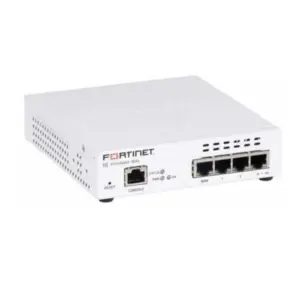
2× GbE WAN and 10× GbE LAN, including 2× PoE+ LAN ports
802.11ac Wave 2, 2×2 MU-MIMO, up to four SSIDs
Cisco Meraki Dashboard
Required; edition and term selected according to security and SD-WAN needs
Desktop or wall mount
Contact FourTeck for current hardware, licence, quantity and destination options
Product Overview
A small branch gateway has to do much more than connect a local network to the internet. It may enforce firewall rules, build encrypted links to a head office, separate staff and guest traffic, keep cloud applications responsive, provide local DHCP and VLAN services, support wireless users and give the IT team enough visibility to diagnose problems from another location. The MX68W brings these roles into a compact Meraki platform aimed at branches and smaller sites that want centralised administration without losing practical wired and wireless connectivity at the edge.
The model is especially useful when a business prefers to operate several network functions through the Meraki Dashboard. Administrators can manage supported routing, security policy, traffic shaping, VPN and monitoring from the cloud interface rather than maintaining a separate local management server at each site. That operating model suits distributed organisations with lean technical teams because new locations can be prepared around a common configuration standard and monitored through the same management environment. It does not remove the need for network design: IP addressing, VLANs, internet circuits, firewall policy, licence selection, wireless coverage and migration planning still need to be defined correctly.
Hardware sizing is equally important. Cisco documents the MX68 class with 700 Mbps stateful firewall throughput and up to 50 recommended client devices, with performance for inspected or encrypted traffic depending on the active services and traffic pattern. The MX68W adds 802.11ac Wave 2 wireless to the MX68 platform, making it attractive for offices that need modest local Wi-Fi as part of the gateway design. Buyers should not confuse it with the MX68CW, which is the cellular-integrated variant. If built-in LTE is a requirement, the CW model or another supported cellular design should be reviewed instead.
For Africa buyers, FourTeck focuses on turning those technical details into a usable procurement specification. A useful quote request should state the number of users and devices, internet speed, VPN traffic, expected Wi-Fi load, number of sites, security services, preferred licence term, existing network equipment and destination. That information helps determine whether this model fits the intended branch or whether another Meraki MX option would provide a more appropriate capacity, interface set or expansion path.
Key Business Benefits
The value of a branch appliance should be measured by how well it supports daily operations, not only by its port count. The following benefits explain where the MX68W can simplify a small-site network when it is correctly sized and licensed.
◆ One Managed Branch Edge
Routing, firewalling, VPN, SD-WAN controls and local wireless can be administered through the Meraki environment. For a smaller branch, reducing the number of separately managed edge platforms can simplify troubleshooting, policy consistency and documentation. The benefit is strongest when the business already uses or plans to use other Meraki infrastructure.
✓ Remote Operational Visibility
Cloud management gives network teams a central place to review appliance status, client activity, uplink behaviour and configuration. That is useful for distributed organisations where technical staff are located at headquarters or in a shared support team while branch users operate elsewhere.
↗ Flexible WAN Planning
Two dedicated Gigabit WAN interfaces support designs that use more than one internet connection. With appropriate configuration, WAN balancing and failover can help the branch make better use of available circuits and maintain connectivity when one path becomes unavailable, subject to the wider provider and network design.
⚙ Practical Local Connectivity
Ten Gigabit LAN ports, including two PoE+ ports, can reduce the need for an additional small switch in compact deployments. The PoE+ ports can power compatible endpoints such as selected access points or phones, while larger sites can still connect the appliance to a dedicated access switch.
🔒 Security Services Aligned to Need
Meraki offers different MX licensing choices. Buyers can align basic connectivity, security inspection and richer SD-WAN or analytics capabilities with the actual risk and application requirements instead of assuming every branch needs the same service tier. Licence scope should be agreed before the order.
● Repeatable Multi-Site Deployment
A cloud-managed platform can support standardised branch templates and repeatable deployment practices. This helps when an organisation is opening new offices, refreshing older gateways or trying to bring several locations under common network policies without reproducing a full local management stack at each site.
Product Highlights That Matter in a Branch Design
The MX68W sits in a useful middle ground for small sites that need more local connectivity than a basic compact gateway but do not require a large rack-mounted firewall. Cisco specifies two dedicated Gigabit WAN ports, eight standard Gigabit LAN ports and two additional Gigabit LAN ports with PoE+. That arrangement gives a branch the flexibility to connect users, printers, phones, cameras, access points or a downstream switch while retaining dual-uplink options for internet resilience planning.
Wireless is integrated into the W model. The radio supports 802.11a/b/g/n/ac Wave 2 with 2×2 MU-MIMO and up to four SSIDs. This can be useful where the branch has a compact floor area or needs a simple staff-and-guest wireless design. Coverage, client density, wall construction and application demand still matter. In a larger office, a dedicated Meraki MR wireless design may provide better placement, capacity and roaming than relying on the gateway’s built-in radio alone.
Cisco documents 700 Mbps stateful firewall throughput, 400 Mbps maximum VPN throughput and 400 Mbps next-generation firewall detection throughput for the MX68 platform. Those figures are useful sizing references, but real application performance depends on traffic mix, internet service, inspection features, firmware, VPN load and wider network conditions. The appliance is therefore best selected against a measured site profile rather than only the nominal circuit speed.
Management through the Meraki Dashboard, Auto VPN support, application-aware traffic controls, VLAN and DHCP services, firewall policy, content filtering and threat-protection options create a broad feature set. The exact functions available to a buyer are tied to the chosen Meraki licence and current platform capabilities, so FourTeck recommends confirming the intended security bundle and term together with the hardware.
Technical Specifications
| Specification | Cisco Meraki MX68W |
|---|---|
| Brand / Model | Cisco Meraki MX68W / MX68W-HW |
| Product Type | Cloud-managed security, routing, SD-WAN and integrated wireless appliance |
| Recommended Device Count | Small branch with up to 50 client devices under Cisco guidance |
| Stateful Firewall Throughput | 700 Mbps |
| Maximum VPN Throughput | 400 Mbps |
| NGFW Detection Throughput | 400 Mbps |
| WAN Interfaces | 2× dedicated Gigabit Ethernet RJ45 |
| LAN Interfaces | 8× dedicated Gigabit Ethernet RJ45 plus 2× Gigabit Ethernet RJ45 PoE+ |
| PoE+ | 2× PoE+ LAN ports; up to 30W per port under Cisco installation guidance |
| Wireless | 802.11a/b/g/n/ac Wave 2, 2.4 or 5 GHz, 2×2 MU-MIMO, two spatial streams |
| Wireless Data Rate | Up to 1.3 Gbps radio data rate |
| SSIDs | Up to 4 SSIDs with supported enterprise and guest access features |
| Management | Cisco Meraki Dashboard; internet connectivity required for cloud communication |
| Licensing | Required; Enterprise, Advanced Security and Secure SD-WAN Plus options exist under supported licensing models |
| Mount Type | Desktop / wall mount |
| Dimensions | 27 × 172 × 284 mm (H × D × W) |
| Weight | Approximately 1.16 kg |
| Power Supply | 100W DC supply |
| Power Load | Approximately 19W idle / 87W maximum under Cisco published data |
| Operating Temperature | 0°C to 45°C |
| Humidity | 5% to 95% |
| Warranty Guidance | Cisco documents lifetime hardware warranty coverage for MX67/68 appliances; confirm current entitlement, support conditions and purchase-route details at quotation stage |
| Availability | Supplier, licence, quantity and destination dependent; contact FourTeck for current options |
The specification table is a model-level planning reference, not a guarantee that every deployment will achieve the same application performance. Firewall inspection, VPN encryption, client behaviour, Wi-Fi contention, WAN quality, firmware and selected services can all affect effective throughput. Buyers should also confirm the correct power cord, licence edition, licence term and any accessories before purchase. The integrated wireless radio is suitable for selected compact environments, but coverage should be validated against the physical site. Where user density or floor area is larger, a dedicated access-point design may be more appropriate than depending only on the built-in radio.
Configuration and Buyer Guidance
The right purchase starts with a site profile. A model name alone does not describe how much internet traffic will cross the firewall, how many VPN sessions will be active, whether advanced inspection is needed, or how many wireless clients will compete for airtime. FourTeck recommends documenting the following points before a quotation is finalised.
1. Count Users and Devices
Include laptops, phones, tablets, printers, cameras, voice endpoints, IoT devices and guest users. Device count is a stronger planning input than employee count because one person may use several network clients.
2. Record WAN Speeds
State primary and secondary circuit speeds, provider handoff type and whether both links should be active. A branch with a fast circuit and heavy security inspection may need more headroom than a simple office with light traffic.
3. Define VPN Requirements
List branch-to-head-office tunnels, Meraki Auto VPN sites, third-party IPsec requirements and remote-user access. VPN throughput and topology can materially change the appropriate appliance size.
4. Choose Security Services
Decide whether the branch needs basic firewall and SD-WAN functionality or deeper services such as content filtering, malware protection and IDS/IPS. The preferred service level drives licence selection and recurring commercial planning.
5. Validate Wi-Fi Fit
The integrated radio can simplify a compact office, but floor area, walls, client density and application mix determine whether one radio is enough. Larger or more demanding sites should consider dedicated access points.
6. Plan Accessories and Power
Confirm power-cord type, wall or desktop placement, surge protection or UPS requirement, Ethernet cabling and whether the two PoE+ ports will be used. Do not assume every accessory is included in the commercial offer.
Future growth should also be included. If the branch is expected to double its user count, add higher-speed WAN service, increase encrypted traffic or become a hub for other sites, a larger MX model may create a better lifecycle fit. FourTeck can review those inputs and help prepare a bill of materials that separates hardware, licensing, accessories and optional deployment assistance so procurement teams can see what the project actually includes.
Ideal Business Use Cases
The appliance is best suited to situations where a small site needs enterprise-style management and security controls but does not require a large chassis or a complex local management environment. These examples show how the platform can fit practical business networks.
Branch Office Edge
A regional branch can use the appliance as its internet gateway, firewall and VPN endpoint while receiving policy from a central IT team. This works well when the organisation wants multiple sites to follow common routing, security and monitoring practices.
Professional Services Office
Consultancies, legal firms, accounting offices and similar teams may value a compact device that can combine secure internet access, staff Wi-Fi, guest separation and remote management while supporting encrypted access to central or cloud resources.
Retail or Service Location
A retail branch can separate point-of-sale, staff, guest and operational traffic using appropriate VLAN and firewall design. Central monitoring is useful where many small locations need similar policies and local technical staff are limited.
Education or Training Site
Small schools, training centres or administrative offices can use the gateway for secure internet access, staff and guest segmentation and VPN connectivity. Device counts can grow quickly in education, so the 50-device guidance should be checked carefully.
Healthcare Administration Branch
Clinics or administrative healthcare sites may need central policy, segmented networks and secure links to shared systems. The final design must still follow the organisation’s security, privacy and application requirements; the appliance alone does not establish compliance.
Distributed Project Office
Project teams that open temporary or semi-permanent offices can benefit from repeatable cloud management and a compact form factor. Internet service, power protection and secure access to head-office resources should be planned before deployment.
The MX68W can also serve as a stepping stone in a broader Meraki architecture that includes dedicated switches, access points, cameras or cellular gateways. It should not be treated as a universal solution for every branch. High-density Wi-Fi, internet circuits beyond the appliance’s performance profile, large VPN hubs, data-centre edge workloads or extensive port requirements may justify another MX model and separate access infrastructure.
Cisco Meraki MX68W Cloud Management and SD-WAN Control
Cloud management is one of the strongest reasons organisations evaluate Meraki. Instead of building a separate local management system for every firewall, administrators use the Meraki Dashboard to claim devices, apply supported configuration, monitor network behaviour and coordinate firmware. For distributed businesses, this can change the operating model from site-by-site administration to central policy with remote visibility.
That does not mean the branch is independent of internet connectivity. Meraki appliances communicate with the cloud management platform, so initial deployment should include a working WAN path and correct uplink configuration. Local traffic forwarding is designed separately from management communication, but procurement teams should understand that licensing, Dashboard ownership, administrator roles and organisation structure are part of the deployment. A firewall delivered without a clear account and licence plan is not a complete project.
SD-WAN and Auto VPN capabilities are also important for multi-site companies. The platform can simplify Meraki-to-Meraki VPN connectivity and apply WAN policies according to the supported feature set. A business with two internet circuits can plan failover or traffic distribution, while a larger network can build repeatable branch connectivity back to hubs or cloud resources. The exact topology should be designed around real applications, latency tolerance, tunnel count and security requirements.
For buyers, the practical question is not simply whether the appliance supports SD-WAN. It is whether the chosen licence, WAN design and application priorities match the operating requirement. FourTeck can help collect the relevant site information and translate it into a hardware and licence request before commercial approval.
Cisco Meraki MX68W Integrated Wireless and Local Connectivity
The W designation matters because this model includes wireless capability. Cisco documents 802.11ac Wave 2 with 2×2 MU-MIMO, support for 2.4 GHz or 5 GHz operation and up to four SSIDs. For a compact branch, that can reduce the need for a separate access point and provide enough flexibility to separate staff, guest or device-specific wireless services according to the network policy.
Integrated Wi-Fi should still be treated as a radio-planning decision. A security appliance is normally placed where internet handoff, power and wired cabling are convenient; that may not be the best location for wireless coverage. Thick walls, multiple floors, reflective surfaces, interference and client density can all make a single integrated radio unsuitable. When coverage is critical, buyers should provide a floor plan, approximate user density and application type so a dedicated wireless design can be considered.
The wired side is generous for a small gateway. Eight standard Gigabit LAN ports plus two Gigabit PoE+ ports provide ten local interfaces. The two powered ports can simplify selected deployments by supplying compatible endpoints without separate injectors. However, an office with many desks, access points, phones or cameras will normally benefit from a dedicated managed switch. The appliance can then concentrate on edge security and WAN functions while the switch handles port density and local access policy.
This is also an important distinction from the MX68CW. The MX68W provides integrated Wi-Fi but not built-in LTE. Buyers who require internal cellular connectivity should ask for the correct cellular model or a supported external design rather than assuming the W suffix includes mobile broadband.
Cisco Meraki MX68W Security, VPN and Licence Planning
The security appliance supports Layer 3 and Layer 7 firewall functions, NAT, VLAN and DHCP services, static routing, VPN connectivity and traffic shaping, with additional protection features available according to the selected Meraki licensing option. Cisco currently describes Enterprise, Advanced Security and Secure SD-WAN Plus choices under supported licensing models, each aimed at a different level of security and application requirement.
A buyer therefore needs to decide what the branch must protect and how the network will be used. If the site simply needs secure connectivity, firewall policy and core SD-WAN functions, one licensing approach may be suitable. If users access the public internet directly and the business expects content filtering, intrusion prevention or malware-related protection, a security-focused licence may be more appropriate. Organisations that depend heavily on SaaS, public cloud or application experience may want to review the richer SD-WAN and analytics options. Current feature entitlement should always be checked against Cisco documentation at quote time.
VPN design deserves the same attention. Cisco publishes 400 Mbps maximum VPN throughput for the MX68 class, but a branch acting only as a spoke behaves differently from a site that terminates many tunnels or carries large backup transfers. The number of remote users, site-to-site peers, encryption load and internet speed all influence sizing. Any requirement to connect third-party firewalls should be stated because it may affect IPsec configuration, routing and migration planning.
Licensing is not an accessory that can be decided later. It is part of the Meraki operating model and should appear clearly on the bill of materials with the appliance, term and edition. FourTeck can help buyers separate hardware cost from licence and service requirements so the procurement team understands both the initial purchase and the ongoing renewal responsibility.
What Buyers Should Check Before Purchase
Before requesting a quote, buyers should confirm the branch profile rather than choosing only by model name or a headline throughput figure. The first check is whether the device count is comfortably within the intended small-branch range and whether the internet circuit, VPN load and enabled security services leave enough performance headroom. A site that is already near the recommended limit may be better served by a larger appliance if growth is expected.
Configuration Fit
Share user and device count, WAN speed, VPN traffic, VLANs, expected security inspection and growth. These inputs help determine whether the MX68 class has enough headroom for the site.
Compatibility Check
Confirm ISP handoff, IP addressing, existing switches, access points, authentication systems, third-party VPN peers and any required integrations. Reusing old cabling or assumptions without checking can create avoidable deployment issues.
Licence and Renewal
Select the licence edition and term with the hardware. Ask which security features are included, how the licence is applied and how renewal will be managed so recurring cost is understood before deployment.
Wireless Coverage
Integrated Wi-Fi is convenient, but confirm whether one gateway location can cover the required area. High client density, multiple rooms or multi-floor offices may justify separate access points.
Power and Accessories
Check local power-cord type, UPS or surge-protection needs, wall-mount planning, PoE endpoint requirements and Ethernet cabling. If external switching or wireless is needed, include those components in the same project bill of materials.
Quote Preparation
Provide quantity, destination, licence preference, deployment timeline, current gateway model and support expectation. This gives FourTeck enough context to prepare a more relevant quotation and suggest alternatives if the requested configuration does not fit.
Replacement projects need additional care. If the MX68W is replacing an older firewall, document the current VLANs, DHCP scopes, static routes, NAT rules, VPN peers, public IP addresses, DNS settings and security policies. Migration planning should also identify the maintenance window, rollback path and person responsible for changing upstream or downstream equipment. A hardware purchase is only one part of a successful firewall replacement; configuration ownership and cutover preparation are equally important.
Questions Business Buyers Ask About the MX68W
Business buyers usually need answers about sizing, licensing, wireless coverage, VPN performance, compatibility and lifecycle planning before they can approve a branch firewall. The following questions are designed to help IT managers, procurement teams, resellers and project buyers prepare the technical information needed for a useful quotation.
Is this appliance suitable for a 30-person office?
It may be, but staff count alone is not enough. Count every network client, including phones, tablets, printers, cameras, voice devices and guest equipment. Cisco recommends the MX68 class for small branches with up to 50 client devices. Internet speed, security inspection, VPN traffic and future growth should also be checked before confirming the model.
Can the built-in Wi-Fi replace separate access points?
For a compact office, possibly. The integrated 802.11ac Wave 2 radio supports up to four SSIDs, which can simplify a small deployment. However, the firewall may be installed near the internet handoff rather than in the best wireless location. Larger floor areas, thick walls, high client density or roaming requirements usually favour dedicated access points.
Does MX68W include cellular connectivity?
No built-in LTE radio is part of the MX68W. The W model adds integrated Wi-Fi. The MX68CW is the related model with integrated cellular capability. If cellular backup is required, state that requirement before quotation so the correct hardware variant or a supported external cellular design can be reviewed.
What licence should a small branch choose?
The answer depends on required security and application controls. Buyers who mainly need core connectivity and firewall functions may have different needs from organisations that require content filtering, IDS/IPS, malware-related protection or advanced application experience features. Share the security policy, internet exposure and application priorities so the appropriate current Meraki licence can be matched to the branch.
Can the appliance support two internet connections?
Yes, the MX68W has two dedicated Gigabit WAN interfaces. That creates a practical foundation for dual-uplink designs using load balancing or failover according to supported configuration. The business should still document provider handoffs, public IP requirements and application priorities so secondary-link behaviour is predictable rather than improvised after installation.
How much VPN traffic can it handle?
Cisco publishes up to 400 Mbps maximum VPN throughput for the MX68 class. That figure is a sizing reference, not a guarantee for every live network. The actual result can depend on traffic pattern, encryption, circuit quality, concurrent use and enabled services. A site that carries heavy backup, replication or hub traffic should be reviewed carefully.
Do I still need a network switch?
Not always. Ten Gigabit LAN ports can be enough for a compact environment with relatively few wired devices. Two of those ports also provide PoE+. A larger office, however, will usually need a managed switch for port density, structured cabling, access-point connections, voice devices and expansion. The firewall should not be selected merely to avoid a properly sized access layer.
What should be checked before replacing an older firewall?
Export or document the existing VLANs, DHCP scopes, routes, NAT rules, VPN peers, public addresses, DNS settings and access-control policies. Identify dependencies such as voice systems, payment devices, cameras or servers that use fixed addresses. The migration plan should also include a change window, rollback method and administrator access to the new Meraki organisation.
Can it work with non-Meraki switches and access points?
A branch can include third-party Ethernet devices, but interoperability should be checked at the protocol and design level. VLAN tagging, link configuration, DHCP, routing, authentication and management remain separate considerations. The strongest operational simplicity comes from a clearly documented architecture, whether the downstream equipment is Meraki or another supported business platform.
What accessories may be required?
Common planning items include the correct regional power cord, Ethernet patch leads, wall-mount arrangement, UPS or surge protection and any downstream switch or access-point hardware. If the PoE+ ports will power endpoints, check their power demand. A quote should identify included accessories rather than assume every deployment component ships with the base appliance.
What information gives FourTeck enough detail for an accurate quote?
Provide quantity, destination, preferred licence term, required security services, user and device counts, primary and secondary internet speeds, VPN needs, wireless expectations, existing firewall model and expected deployment date. If the project includes several branches, list each site separately because one appliance size may not suit every location.
What if the branch is likely to grow beyond this model?
Plan the next two to three years rather than only the current month. Growth in client devices, WAN bandwidth, VPN traffic, cloud use or inspection requirements can consume headroom. If the site is likely to approach the appliance’s intended scale, reviewing MX75 or another current model may reduce the risk of an early replacement.
How This Wireless Security Appliance Fits Common Business Requirements
Some buyers begin with a technical specification while others begin with a problem: a branch needs a secure internet edge, the existing router has limited visibility, the office wants one managed platform for VPN and Wi-Fi, or a multi-site company needs a consistent firewall standard. Matching the problem to the product is more useful than buying from a model list alone.
Secure Branch Internet Edge
The appliance can act as the branch gateway for firewall policy, NAT, routing and internet connectivity while keeping administration in the Meraki Dashboard. It is most relevant when the branch falls within the intended small-site scale and the security-service licence is chosen deliberately.
Multi-Site Connectivity
Businesses connecting branches to a head office or other Meraki sites can use Auto VPN and SD-WAN functions as part of a wider design. The purchasing team should identify hub-and-spoke roles, internet speeds and third-party VPN requirements before selecting hardware.
Compact Office with Wi-Fi
Integrated 802.11ac Wave 2 wireless can reduce hardware in a small workplace. It suits simple coverage needs better than large or high-density environments. If the firewall location is not central to the users, separate access points may deliver a more dependable wireless layout.
Replacement for an Older Gateway
A replacement project should compare more than raw throughput. Confirm VLANs, routing, VPN types, public addresses, security rules, local port needs, Wi-Fi expectations and licence obligations. This reduces the chance of discovering an unsupported dependency during the cutover window.
Growth and Upgrade Planning
If the branch is growing quickly, treat the 50-device guidance and published throughput as planning limits rather than targets. A larger appliance may create better headroom for higher WAN speeds, more encrypted traffic or additional security inspection over the expected lifecycle.
Quote and Project Preparation
An effective commercial request includes hardware quantity, licence edition and term, destination, accessories and technical inputs. FourTeck can use those details to confirm product fit, suggest a related MX model when appropriate and keep the quotation aligned with the deployment plan.
Africa Availability and Service Support
FourTeck supports Africa-focused inquiries for Cisco Meraki security and SD-WAN projects with assistance around model selection, licence planning, accessory requirements, quotation and delivery coordination. Availability is not treated as fixed because hardware supply, licence options, order quantity and destination can change. Buyers should request a current commercial check for the exact hardware SKU and preferred subscription term before committing to a project schedule.
Pre-sales support can include reviewing user count, client-device numbers, internet circuits, VPN traffic, wireless expectations and existing network equipment. For multi-site requirements, FourTeck can help structure the request by branch so each location can be assessed independently rather than assigning the same appliance to every site. This is especially useful where one branch is a small spoke and another site acts as a regional hub with heavier traffic.
Delivery coordination should include the destination, required quantity, power-cord preference and any project deadlines, while avoiding assumptions about local inventory or guaranteed transit times. Warranty guidance can also be discussed with the quotation so the buyer understands the applicable Cisco policy, support entitlement and process associated with the selected purchase route.
For broader product planning, buyers can review the Cisco Meraki MX Series for Africa or contact FourTeck directly when the requirement already includes a specific user count, licence term and destination.
Africa Country and Regional Coverage
Africa deployments benefit from disciplined pre-order planning because a firewall project combines hardware, subscription licensing, power, cabling, WAN services and migration requirements. FourTeck helps business buyers define the correct model and commercial scope before the order is confirmed. The objective is to match the appliance to the operating environment rather than selecting a product only because it appears in an existing standard or budget list.
For each location, the review can consider device count, internet speed, VPN topology, wireless coverage, security services, dashboard organisation, accessory requirements, support expectations and future growth. Availability, lead time, licence term, warranty information and delivery arrangement can vary according to the exact SKU, supplier position, quantity, destination and project scope. These factors should be confirmed commercially rather than assumed from a general product page.
Tanzania, Libya and Seychelles are covered in more detail below because each market can involve different business environments and deployment patterns. The same technical principle applies across all three: a successful Meraki branch rollout begins with accurate requirements, a complete bill of materials and a clear ownership plan for licensing, configuration and ongoing administration. For general regional enquiries, use the FourTeck Africa contact page.
Cisco Meraki MX68W Wireless Security Appliance Africa in Tanzania
For Tanzanian enterprises, public-sector organisations, schools, healthcare providers, financial institutions, resellers, system integrators and growing branch networks, the Cisco Meraki MX68W Wireless Security Appliance Africa in Tanzania can be considered when a site needs a compact security gateway with central management, VPN, SD-WAN and integrated wireless. A practical procurement review should begin with how the branch actually operates. Count employee and non-employee devices, document primary and secondary internet services, identify cloud applications and head-office traffic, and determine whether voice, CCTV, printers or guest users share the same local infrastructure. These details affect both appliance sizing and VLAN design. The built-in Wi-Fi may suit a compact office, but coverage should be assessed against room layout and user density rather than assumed from the model name. Power planning also matters: buyers should confirm the local power-cord requirement, UPS or surge-protection strategy and whether the two PoE+ ports will support specific endpoints. If the site expects expansion, higher bandwidth or a growing number of devices, the quotation should allow a comparison with a larger MX option instead of using the current branch profile as a permanent ceiling. FourTeck can help review licence edition, subscription term, compatible accessories, existing switching or wireless equipment, deployment preparation, warranty information and delivery coordination. A useful Tanzanian quote request should include quantity, destination, expected deployment window, current firewall model, internet speeds, VPN requirements and the security services the organisation expects to enable.
Cisco Meraki MX68W Wireless Security Appliance Africa in Libya
A North Africa project evaluating the Cisco Meraki MX68W Wireless Security Appliance Africa in Libya should focus first on operational continuity, configuration fit and controlled migration from the existing edge. The project team should map the current WAN handoffs, public IP addresses, routing, VLANs, NAT rules and VPN peers before equipment is ordered. That information helps identify whether the appliance can be introduced cleanly and whether any third-party systems need special interoperability planning. If two internet connections are part of the design, the buyer should state how failover or traffic use is expected to work and which business applications are most sensitive to interruption. Wireless requirements should be separated from firewall requirements: integrated Wi-Fi can be convenient for a compact office, but a larger facility may need dedicated access points placed according to coverage and client density. Licensing is another major commercial item. The required Meraki edition and term should reflect the branch’s security policy, internet exposure, VPN role and application needs, while renewal responsibility should be understood before deployment. Accessories such as the appropriate power cord, UPS protection, Ethernet cabling and any downstream switching should be included in the project bill of materials where required. FourTeck can assist Libyan buyers with model review, licence planning, compatible accessories, quotation structure, warranty guidance and delivery coordination without assuming local stock or fixed delivery dates. For project supply, a site-by-site requirement sheet is preferable to a single blanket quantity because branch traffic, device count and interface needs can differ significantly across the organisation.
Cisco Meraki MX68W Wireless Security Appliance Africa in Seychelles
Cisco Meraki MX68W Wireless Security Appliance Africa in Seychelles can be a practical option for hospitality groups, professional-services firms, government departments, education providers, healthcare organisations, financial-services teams, retail operations and other small or mid-sized businesses that need a manageable branch edge. In an island-market operating pattern, a relatively small technical team may support several offices, properties or service locations, so remote visibility and repeatable configuration can be valuable. The appliance’s desktop or wall-mount form factor also suits compact communications spaces, but the physical location should be chosen with both cabling and wireless coverage in mind. If the built-in Wi-Fi is expected to serve staff and guests, the buyer should estimate floor area, wall construction, concurrent clients and bandwidth-heavy applications before deciding that one integrated radio is enough. Where several access points, phones or cameras are required, a dedicated PoE switch can provide a cleaner expansion path than relying only on the two powered LAN ports. Resilience planning should consider UPS protection, secondary internet service and how critical applications should behave during an uplink change. FourTeck can help Seychelles organisations review the branch device count, internet speed, VPN traffic, Meraki licence edition and term, accessories, existing network compatibility, delivery coordination and warranty information before an order is approved. Long-term value comes from choosing enough capacity for realistic growth while keeping the deployment simple enough for the available support team to operate consistently.
Other FourTeck Options Buyers May Consider
A branch security decision should compare capacity, wireless needs, cellular requirements, licensing and future growth. The closest alternative is not always the next model number; it is the platform that best matches the site profile. FourTeck can help buyers compare the following Meraki options without assuming one model is universally better.
Cisco Meraki MX68
Suitable when the branch needs the MX68 wired security and SD-WAN platform but does not require integrated Wi-Fi.
Cisco Meraki MX68CW
Consider this related model when integrated Wi-Fi and built-in cellular connectivity are both part of the branch requirement.
Cisco Meraki MX75
A larger current small-branch option worth reviewing when user count, WAN speed or future growth exceeds the MX68W planning profile.
Cisco Meraki Z4 Series
Useful for secure home-office and very compact teleworker scenarios where a full branch security appliance may be unnecessary.
Cisco Meraki vMX
A virtual MX can extend Meraki-managed connectivity into supported cloud environments when the project includes cloud-hosted workloads.
Meraki Technical Support
For existing environments, configuration review and troubleshooting support may be more appropriate than immediate hardware replacement.
Why Business Buyers Contact FourTeck
Networking procurement is easier when hardware, licensing and deployment requirements are considered together. FourTeck works with Africa-focused buyers to organise those details before a quotation is approved, helping reduce the risk of ordering the correct appliance with the wrong licence term, missing accessories or insufficient sizing information.
Review users, devices, WAN speeds, VPN demand and expected growth before hardware selection.
Match current Meraki licence choices and term options to the required security and SD-WAN functions.
Consider VLANs, routing, VPN peers, wireless needs and migration dependencies before deployment.
Structure destination, quantity and accessory information so current delivery arrangements can be confirmed commercially.
Clarify applicable hardware warranty information and support entitlement associated with the purchase route.
Suggest another MX model or related Meraki solution when the requested appliance does not match the site requirement.
FourTeck does not assume fixed stock, guaranteed delivery dates or a single configuration for every branch. The goal is to build a quotation around the buyer’s actual site profile so technical and commercial expectations are clear before purchase.
Frequently Asked Questions
What is the MX68W used for?
It is used as a cloud-managed small-branch security and SD-WAN gateway. The appliance can provide firewalling, routing, VLAN and DHCP services, VPN connectivity, WAN management and integrated 802.11ac Wave 2 wireless. Its strongest fit is a compact business site that wants central Meraki Dashboard administration and falls within the model’s intended device and performance range.
Does the appliance require a Meraki licence?
Yes. Licensing is a core part of the Meraki operating model. Buyers should select the appropriate licence edition and subscription term together with the hardware. Current feature entitlement varies by licence choice, so requirements for advanced security, SD-WAN or analytics should be confirmed before the quotation is approved.
How many devices is it designed to support?
Cisco positions the MX68 class for a small branch with up to 50 client devices. That count should include every active network client, not only employees. The correct model also depends on internet bandwidth, VPN traffic, enabled inspection features and future growth, so a device-count figure should not be used as the only sizing measure.
Is the MX68W available for Africa projects?
FourTeck supports Africa-focused product enquiries and can coordinate current availability checks for the exact hardware, licence term, quantity and destination. Supply conditions can change, so this page does not claim fixed stock or a guaranteed delivery date. Contact FourTeck with your project details for a current commercial review.
Can FourTeck help choose the licence and configuration?
Yes. FourTeck can help buyers organise user counts, WAN speeds, VPN requirements, security services, licence term, wireless expectations, accessories and destination details. The purpose is to prepare a complete bill of materials and identify whether the MX68W is suitable or whether another Meraki model better matches the requirement.
Does it include PoE ports?
Yes. Two of the ten Gigabit LAN interfaces support PoE+. Cisco’s installation guidance states that each of those ports can output up to 30W. Buyers should still check the power requirements of the connected endpoint and the overall deployment design before relying on the appliance as the primary PoE source.
Can it connect multiple branches through VPN?
Yes. Meraki Auto VPN is designed to simplify site-to-site connectivity between compatible Meraki networks, and standard IPsec requirements can also be relevant depending on the topology. The number of sites, VPN traffic volume, hub role and third-party peers should be included in sizing and configuration planning.
What warranty guidance applies?
Cisco currently documents lifetime hardware warranty coverage for MX67/68 appliances, with separate conditions for accessories. Buyers should confirm the current policy, support entitlement and applicable replacement process with the selected purchase route at quotation stage rather than relying only on a general warranty summary.
How is MX68W different from MX68CW?
The MX68W includes integrated Wi-Fi but does not include the MX68CW’s built-in cellular radio. If a project needs internal LTE capability for a cellular uplink, the CW variant or another supported cellular design should be specified. This model distinction should be checked before purchase because the hardware cannot be treated as interchangeable.
Can businesses request multi-site or bulk quotations?
Yes. For multi-site projects, provide a site list with device counts, internet speeds, licence requirements, destinations and deployment expectations. FourTeck can use that information to organise the quotation and identify sites that may need a different MX model, accessory set or licence approach instead of forcing every location into one standard configuration.
Need Help Choosing the Right Meraki Branch Appliance?
Share your branch user count, internet speed, VPN requirement, wireless coverage needs, preferred licence term and destination. FourTeck can help review the configuration, current availability, accessories, warranty guidance and commercial requirements for your Africa project.
Reviews
There are no reviews yet.