

FortiMonitor Digital Experience Monitoring in Africa
FortiMonitor gives IT operations teams a unified way to observe the journey between users and the applications they rely on. The platform brings endpoint, network, infrastructure, cloud and application performance information into a SaaS-based monitoring environment, helping organisations investigate service degradation with greater context. It is designed for businesses that need practical visibility across branch offices, remote users, data centres, cloud workloads, Fortinet Security Fabric devices and third-party infrastructure without forcing every team to work from a different monitoring console.
✓ Synthetic monitoring guidance
✓ Licence and deployment support
✓ Africa quote assistance
Request Quote
Check Africa Availability
Quick Product Information
Fortinet
FortiMonitor
SaaS-based digital experience and network performance monitoring
Enterprises, service providers, distributed organisations and IT operations teams
User-to-application visibility, incident investigation and service assurance
SaaS platform with agents, public probes and optional private collectors
Configuration dependent; based on monitored resources and selected services
Contact FourTeck for current package and regional supply options
Pre-sales review, quote guidance, deployment planning and renewal direction
Features, limits and commercial terms depend on the chosen subscription and current ordering guide
Product Overview
Modern business services rarely travel through one simple network path. A user may connect from a branch, home office or mobile environment, pass through local Wi-Fi and an internet provider, reach a secure access service, then open an application hosted in a public cloud, private cloud or corporate data centre. When performance becomes slow, a basic device alert does not always explain what the user is actually experiencing. Operations teams need to understand the endpoint, network path, application response and hosting infrastructure as one connected service.
FortiMonitor is designed for this broader operational view. It centralises telemetry from endpoints, network devices, servers, virtual environments, containers, cloud resources and applications. Synthetic checks can test availability and transaction behaviour from selected vantage points, while path information can help teams review delay, jitter, packet loss and the route taken toward important applications. This creates a more useful investigation workflow than looking at isolated CPU graphs, router alerts or website uptime results without correlation.
The platform is relevant to organisations that depend on digital services for revenue, employee productivity, public services or customer engagement. Banks may need to observe online and branch application performance. Universities may need to understand learning platform access across campuses. Healthcare groups may need to protect the usability of clinical and administrative systems. Retailers may need visibility across stores, payment services and cloud applications. Managed service providers may need separate customer views, role-based access and a consistent process for alerts, reporting and escalation.
For Africa buyers, the purchase decision should begin with monitoring scope rather than the product name alone. The number of agents, applications, devices, checks, sites and integrations can affect the correct subscription design. FourTeck helps procurement and technical teams turn these requirements into a structured request, review compatible Fortinet and third-party environments, identify whether private collection is needed and prepare a quotation around the selected service term. This approach reduces the risk of buying too few licences, omitting important monitoring locations or selecting services that do not match the operational goal.
Key Business Benefits
A monitoring platform creates value when it improves decisions, shortens investigation time and helps the business protect important services. The following benefits explain how FortiMonitor can support operational teams beyond simple device status checking.
◆ See the Service from the User Side
Endpoint and synthetic measurements help IT teams understand whether a user is facing slow response, poor connectivity or local device constraints. This perspective is important because infrastructure can appear healthy while an employee or customer still experiences delay. Connecting user symptoms with technical measurements helps teams prioritise issues that have real business impact.
◆ Reduce Tool Fragmentation
A consolidated platform can bring network, cloud, application, endpoint and infrastructure monitoring into one operational view. This can reduce the time spent moving between unrelated dashboards, matching timestamps manually and explaining incidents across teams. The result is a clearer workflow for operations centres that need consistent alerts, reporting and ownership.
◆ Find Root Causes with Better Context
Correlated performance data can help distinguish an application problem from a network path issue, endpoint limitation, cloud resource condition or provider-related delay. This matters during major incidents because the wrong assumption can send engineers toward systems that are not responsible, extending downtime and increasing pressure on support teams.
◆ Support Proactive Service Management
Thresholds, synthetic tests and historical reporting can help teams recognise deterioration before a complete service failure occurs. Early evidence supports capacity planning, provider discussions and preventive maintenance. It also allows IT leaders to focus on repeated service weaknesses instead of responding only after users report that an application is unavailable.
◆ Automate Repetitive Response Steps
Incident workflows and automated playbooks can handle selected investigation or remediation actions when defined conditions occur. Automation does not replace operational judgement, but it can reduce repeated manual steps, improve consistency and help smaller teams respond at scale. The correct workflow should be tested carefully before it is used in production.
◆ Strengthen Service Reporting
Customisable dashboards, reports and historical uptime information give managers a clearer basis for reviewing service levels, recurring incidents and operational trends. This is useful for internal governance, supplier conversations, managed service reporting and executive updates, provided the organisation defines meaningful measurements that reflect the services users actually depend on.
Product Highlights
FortiMonitor combines digital experience monitoring with broader infrastructure and network performance visibility. Its value comes from the way several monitoring perspectives can be brought together for investigation, reporting and incident handling.
Review device-side measurements such as CPU, memory, disk and network conditions alongside application and path performance.
Test application availability and selected user transactions from public locations, private environments or endpoint vantage points, depending on the licensed service.
Visualise the route toward important applications and examine where packet loss, delay or jitter may be affecting the user journey.
Gain performance insight across FortiGate and connected Fortinet devices, including relevant LAN, wireless and SD-WAN information.
Centralise detected incidents, route alerts through defined channels and integrate operational events with collaboration or service-management processes.
Use live topology views, configurable dashboards, status pages and historical reports to support both daily operations and management review.
Exact monitoring limits, data retention, agent entitlements, synthetic transaction allowances, integration access and service features can differ by package and subscription term. Buyers should request a current ordering review rather than assuming every capability is included in every licence.
Technical Specifications and Service Characteristics
| Item | Details |
|---|---|
| Brand | Fortinet |
| Platform | FortiMonitor |
| Solution Category | Digital experience monitoring, network performance monitoring, infrastructure monitoring and incident response |
| Primary Delivery Model | Cloud-native SaaS platform |
| Monitoring Coverage | Endpoints, networks, applications, servers, virtual environments, cloud services, containers and selected Fortinet infrastructure; configuration dependent |
| Digital Experience Methods | Endpoint telemetry, synthetic checks, transaction monitoring, application performance measurements and network path analysis |
| Network Measurements | Common measurements include latency, packet loss, delay, jitter, reachability and path behaviour, depending on test type |
| Endpoint Context | CPU, memory, disk and network performance information can be used with application and network measurements |
| Fortinet Integration | Visibility into FortiGate and connected Security Fabric device health and performance, including LAN, Wi-Fi and SD-WAN information where supported |
| Cloud and Virtual Environments | Supports monitoring scenarios across major cloud platforms, VMware and container environments; exact integrations depend on current release and package |
| Incident Management | Alert timelines, escalation workflows, integrations and automated playbooks, subject to configuration and entitlement |
| Collaboration Integrations | Options may include JIRA, Slack and Microsoft Teams; confirm current connector support |
| Administration | Dashboards, reporting, role-based access control and multi-tenant management options |
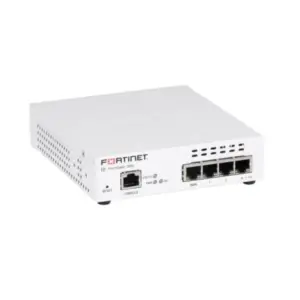
| Private Collection | Optional OnSight collector appliance or suitable private collection method may be required for internal environments |
| Licensing Basis | Varies by monitored resource, agent, synthetic transaction, device category, service level and term |
| Subscription Term | Based on selected Fortinet order code and current commercial options |
| Support and Warranty | Based on the selected FortiCare service, subscription and any collector appliance purchase |
| Africa Availability | Contact FourTeck for current licences, appliance options, professional services and quotation guidance |
Choosing the Correct Monitoring Scope
The table describes the platform at a solution level, not a single fixed package. Before a quotation is prepared, buyers should list the business services that must be monitored and the locations from which those services need to be tested. A company may require endpoint agents for remote employees, private collectors for internal applications, public probes for external services, synthetic transactions for login or checkout workflows and infrastructure monitoring for the systems hosting those applications. Each requirement can influence licence quantities and deployment design.
It is also important to define reporting retention, incident integrations, administrator roles, customer separation for managed services and the number of sites. FourTeck can help convert this information into a structured bill of requirements, but final technical validation should use the current Fortinet ordering guide and the selected service description. This prevents assumptions based on an older package name or a feature shown in a demonstration environment.
Configuration and Buyer Guidance
The most useful FortiMonitor deployment is built around business services, not around the highest possible number of monitored objects. Start by identifying which applications create revenue, support customer service, enable employee productivity or deliver public services. Then document where the users are located, where the applications are hosted and which network paths connect them. This gives the project team a sensible basis for choosing agents, private collectors, public probes and synthetic tests.
1. Define Critical Services
List the applications and workflows that matter most, such as customer portals, payment systems, ERP access, collaboration tools, remote desktops, learning systems or health platforms.
2. Count Monitoring Points
Estimate endpoints, sites, servers, devices, cloud resources, containers and application transactions. Include growth expected during the chosen subscription term.
3. Map User Locations
Decide whether measurements are needed from headquarters, branches, remote employees, public internet locations, cloud regions or customer-facing locations.
4. Review Integrations
Confirm the service desk, collaboration, alerting and automation tools that should receive incidents. Integration access and workflow design may affect the package and implementation effort.
5. Plan Roles and Tenancy
Define administrators, analysts, service owners, customers and reporting users. Managed service providers should confirm tenant separation and delegated access requirements.
6. Consider Deployment Support
Determine whether your team needs onboarding, dashboard design, baseline thresholds, synthetic script creation, incident workflow setup, knowledge transfer or ongoing operational assistance.
A pilot can be valuable when the environment is large or the monitoring strategy is changing significantly. Select a limited group of critical services, representative users and important network paths, then validate the measurements and incident process before broader rollout. This helps the organisation create useful thresholds and dashboards instead of collecting large volumes of data without a clear operational response.
Ideal Business Use Cases
The platform can support several operational scenarios, but each deployment should be aligned with a real service requirement. The following examples show where a combined digital experience and infrastructure view can be especially useful.
Hybrid and Remote Workforce
Observe application reachability and performance from employee endpoints that may use home broadband, mobile access or branch connectivity. Endpoint context can help distinguish a local device problem from a provider path issue or application-side slowdown, giving support teams a better starting point for remote-user cases.
Multi-Branch Business Services
Compare the experience of important cloud and data-centre applications across different branches. This is useful for retailers, banks, clinics, logistics groups and service organisations where one location may suffer poor performance while other sites remain healthy.
Customer-Facing Applications
Use public and private synthetic checks to observe website availability, response behaviour and selected transactions such as login, account access or form submission. Transaction design should reflect genuine customer journeys and avoid unnecessary load on production systems.
Cloud Workload Monitoring
Bring infrastructure and application measurements together across public cloud, private cloud and hybrid hosting. Teams can review whether a user-facing issue is related to network access, application behaviour or the resources supporting the workload.
SD-WAN Service Assurance
Measure application-specific performance across SD-WAN underlays and examine metrics such as latency, jitter and packet loss. This can help network teams evaluate whether path selection and provider performance support the experience expected by the business.
Managed Service Operations
Service providers can use multi-tenant and role-based capabilities to organise monitoring for several customers, apply common operational processes and provide dashboards or reports. The service design should clearly define data access, response responsibility and customer escalation procedures.
FortiMonitor Digital Experience Monitoring: Endpoint-to-Application Visibility
Many monitoring systems begin in the data centre and work outward. Digital experience monitoring begins with the service as experienced by the user and then connects that experience to the systems delivering it. This difference matters because a server can report normal utilisation while a remote employee faces high latency, a branch experiences packet loss or a customer encounters slow transaction response. FortiMonitor brings endpoint measurements, synthetic observations, network path information and application data into a common investigation context.
Endpoint agents can provide device-side information that helps support teams understand whether CPU pressure, memory constraints, disk activity or local network conditions may be contributing to a poor experience. Synthetic checks can test reachability or transaction behaviour even when no user has opened a ticket. Public probes can help observe externally accessible services, while private collection points can test internal applications and services that are not exposed to the internet. The right mix depends on the applications, user locations and security controls in the organisation.
For a business buyer, the important question is not whether the platform can collect many measurements. The important question is whether the selected measurements can answer operational decisions. A support desk may need to know why a remote employee cannot use a collaboration service. A network team may need to identify a degraded transit path. An application owner may need evidence that response time changed after a release. A service manager may need historical availability for a monthly review. The implementation should therefore begin with agreed service questions and practical response procedures.
FourTeck can help buyers define these questions during pre-sales planning, estimate the required agents and checks, and identify where collectors or public vantage points are needed. This creates a more disciplined procurement request and gives the technical team a clearer basis for evaluating the proposed licence package.
FortiMonitor Path Analytics and Full-Stack Correlation
A slow application can be caused by many layers: the endpoint, wireless network, local gateway, internet provider, secure tunnel, cloud connection, load balancer, application service or database. When each layer is monitored separately, operations teams may spend valuable time matching events by hand. FortiMonitor is designed to correlate performance across the user-to-application journey so teams can narrow the likely fault domain more quickly.
Path monitoring gives engineers a visual view of the route traffic follows toward an application. Measurements at different hops can reveal where delay, jitter or packet loss appears. Historical path data is particularly useful when the problem has already passed by the time an engineer begins investigation. Instead of relying only on a current test, the team can review the route and measurements associated with the affected period. This can support conversations with network providers, cloud teams or application owners.
Full-stack correlation extends the investigation beyond the route. Infrastructure health, application response, endpoint conditions and device performance can be considered together. In Fortinet environments, Security Fabric integration can add insight into FortiGate and downstream device performance, including LAN, wireless and SD-WAN details where supported. This is valuable for organisations that already use Fortinet at the branch or network edge and want operational visibility to align with that architecture.
Correlation still depends on good data and thoughtful configuration. Monitoring intervals, thresholds, tags, dependencies and maintenance windows should be designed carefully. Too many noisy alerts can reduce confidence, while overly broad thresholds may hide meaningful degradation. A staged rollout helps teams tune the platform around actual service behaviour and establish a clear owner for each class of incident.
FortiMonitor Incident Automation and Operational Control
Monitoring has limited value when alerts do not lead to timely action. FortiMonitor includes incident management capabilities intended to organise detected problems, apply escalation logic and connect operational events with collaboration or service-management workflows. Alerts can be routed through selected channels, and incident timelines can help teams understand what happened, when it was detected and how the response progressed.
Automated playbooks can perform defined investigation or remediation steps when conditions are met. Examples may include gathering diagnostics, checking a dependency, running a command through an approved integration or notifying a responsible team. Automation should be introduced with control. Every action needs clear permissions, testing, rollback considerations and ownership. A safe first step is often to automate evidence collection and notification before allowing changes to production systems.
Dashboards and reports support a different part of operational control. Engineers need real-time views for active incidents, while managers need trends that reveal repeated failures, service-level performance and capacity concerns. Public status pages may be useful for communicating selected service conditions, but the organisation should decide carefully which information is appropriate for external audiences. Managed service providers also need role-based access and tenant separation so customers see only the information relevant to their services.
A successful deployment connects alerts to an agreed operating model. Teams should define severity, acknowledgement targets, escalation paths, maintenance windows, ticket ownership and post-incident review. FourTeck can help buyers identify the implementation services and subscription features needed to support that model, while the customer retains responsibility for internal policies, access control and production change approval.
What Buyers Should Check Before Purchase
Before requesting a quote, buyers should confirm the monitoring scope, usage environment, compatibility needs, support expectations and deployment responsibilities. A platform licence is only one part of the project. Agents, collectors, synthetic checks, integration work, training, data retention and operational ownership can all influence the final design and long-term cost.
Configuration Fit
Confirm how many endpoints, servers, network devices, cloud resources, containers, applications and transactions must be monitored. Include test frequency, required locations and expected growth. Ask whether each resource type uses a different entitlement and whether minimum package quantities apply.
Compatibility Check
List operating systems, cloud platforms, virtual environments, network vendors, Fortinet devices and collaboration tools. Confirm supported versions and required permissions. Older systems, isolated networks or strict security zones may need a different collection method.
Licensing and Renewal
Ask how the subscription is measured, what happens when monitored quantities grow and which features belong to each service level. Review renewal timing, co-termination, support coverage and whether professional services are one-time or recurring.
Collector and Environment Needs
Internal applications may require a private collector or appliance. Confirm network access, rack or virtual resources, power, cabling, firewall rules, proxy behaviour and outbound connectivity. Include remote sites that have limited bandwidth or unstable links.
Implementation Responsibility
Decide who will install agents, create synthetic transactions, configure integrations, design dashboards, tune thresholds and train users. A licence without a practical onboarding plan may delay value and leave teams with noisy or incomplete monitoring.
Quote Preparation
Provide the delivery country, required term, quantities by resource type, preferred start date, current monitoring tools, Fortinet estate, integration list and deployment support needs. Mention whether the request is a pilot, renewal, replacement or regional rollout.
Buyers should also ask for alternatives when the requested package does not match the actual scale. A smaller pilot may be appropriate before a regional deployment, while a larger standardised package may be more manageable for a service provider supporting many customers. FourTeck can help compare available order codes and prepare a requirement summary, but the final choice should reflect current Fortinet documentation, commercial terms and the customer’s operating model.
Africa Availability and Service Support
FourTeck supports FortiMonitor enquiries across Africa with assistance for requirement discovery, package selection, quotation preparation and delivery coordination for any physical collector appliance included in the project. Because the platform is licensed according to the chosen monitoring scope, availability and final commercial terms can vary by order code, service tier, quantity, subscription term and supplier status. Buyers should request a current review rather than relying on a generic software price.
Configuration support can include discussion of endpoint quantities, infrastructure coverage, synthetic transaction needs, Fortinet Security Fabric integration, private monitoring locations and operational integrations. FourTeck can also help buyers identify whether training, onboarding or professional services should be included. These services may be especially important for organisations replacing several existing tools or introducing a formal network operations process for the first time.
Warranty and support arrangements depend on the selected FortiCare service and whether the order includes hardware such as an OnSight collector. Subscription support, appliance warranty, implementation services and local operational assistance are separate considerations and should be listed clearly in the quotation. Delivery timelines for any hardware component depend on destination, supplier availability, customs requirements and order quantity.
Africa Country and Regional Coverage
Businesses across Africa, including Kenya, Uganda, Nigeria, Ghana, Tanzania, Rwanda, Ethiopia, South Africa, Zambia, Botswana, Senegal and other regional markets can contact FourTeck for licence guidance, configuration review and quotation assistance. Regional projects may involve headquarters, branches, data centres, cloud workloads and remote employees in several countries, so the monitoring design should account for different internet providers, latency profiles, security controls and support teams.
For multi-country deployments, buyers should provide the number of users and sites in each market, the applications being accessed, the hosting regions and whether local private collectors are required. It is also useful to identify which team will manage incidents and whether separate dashboards or access roles are needed by country. FourTeck can help organise the requirement and coordinate product enquiries through the relevant regional channels without creating a different product design for every location.
Useful regional references include FourTeck Kenya technology support, FourTeck Uganda business solutions and the Africa product enquiry team. Final supply and service arrangements are confirmed according to the country, project scope and selected subscription.
GCC, Middle East and Africa Availability
FourTeck Africa can support product enquiries for businesses across Africa while also guiding regional technology requirements through selected FourTeck platforms serving GCC and Middle East markets. Organisations with operations in the UAE, Saudi Arabia, Qatar, Oman or Bahrain may need one monitoring approach across regional headquarters, cloud environments, branches and remote workforces. The platform design should consider application hosting, data access policies, internet paths, administrator locations and support ownership across the full region.
Availability, delivery options, support handling and configuration services can vary by country, subscription package, supplier status and order quantity. A regional customer should avoid assuming that the same order code, tax treatment or hardware delivery process applies in every market. The quotation request should identify the legal purchasing entity, deployment countries, desired start date, service term and any collector appliances that need physical delivery.
Technical planning should also separate global application monitoring from local operational needs. Public synthetic checks may provide a broad external view, while private collectors and endpoint agents can reveal conditions inside specific offices or user environments. Role-based access and tenant design may be required when several business units or service teams share the platform.
Customers coordinating wider regional projects can review FourTeck UAE technology solutions alongside the Africa team. FourTeck can help route the enquiry, but final licensing, professional services, warranty guidance and delivery conditions are confirmed for each market.
Other FourTeck Solutions Buyers May Consider
FortiMonitor is often evaluated as part of a wider Fortinet operations and security environment. The correct related products depend on whether the main goal is firewall visibility, central management, access control, log analysis or application protection. The cards below provide useful starting points for a broader project discussion without assuming that every organisation needs every component.
Fortinet FortiGate Firewalls
Suitable when the project includes secure network edge, SD-WAN, VPN and Security Fabric performance visibility.
FortiGate FG-41F
A compact firewall option for smaller branches that may form part of a distributed monitoring and secure connectivity design.
FortiNAC Management
Consider for organisations that need network access control oversight alongside broader device and service performance monitoring.
FortiMail Email Security
Relevant when email service protection and gateway operations are part of the wider infrastructure and application assurance requirement.
Fortinet Brand Catalogue
Browse related Fortinet security, networking and management products available for Africa project enquiries.
A monitoring project may also involve FortiManager for central firewall administration, FortiAnalyzer for event analysis and reporting, FortiSASE for secure remote access, or professional services for deployment and workflow integration. FourTeck can help match related products to the actual architecture rather than adding components that do not support a defined requirement.
Why Buyers Choose FourTeck
Technology procurement is easier when the supplier understands both the product and the questions that must be answered before purchase. FourTeck supports business buyers with a structured pre-sales process that can connect licensing, deployment and regional delivery requirements. The goal is to help the customer prepare a complete request instead of submitting only a product name and receiving a quotation that leaves important services or quantities unclear.
Guidance for procurement teams, technical managers, resellers, system integrators, enterprises and public-sector buyers.
Help estimating monitored resources, subscription terms, collectors, integrations and required services before the quote is finalised.
A clear process for sharing quantities, project location, deployment timing and commercial requirements.
Regional planning for any physical appliance, documentation or related infrastructure included with the solution.
Assistance understanding how FortiCare, subscription support, appliance warranty and professional services apply to the selected package.
Discussion of compatible Fortinet and infrastructure options when the monitoring project is part of a wider network or security programme.
FourTeck does not assume that one package fits every buyer. A bank, university, managed service provider and small distributed business may all use monitoring, but their licence quantities, access roles, reporting needs and incident processes will be different. By reviewing these factors early, the buyer can compare proposals more accurately and plan deployment with fewer surprises.
Frequently Asked Questions
What is FortiMonitor used for?
FortiMonitor is used to observe digital service performance from endpoints through networks to applications and supporting infrastructure. It helps operations teams investigate slow access, outages, path problems and recurring incidents by bringing several measurements into one platform. Common uses include remote-user monitoring, branch application visibility, cloud workload assurance, synthetic transaction testing, network path analysis and incident response.
Is FortiMonitor available for Africa organisations?
Africa organisations can contact FourTeck for current licensing options, subscription terms, collector appliance availability and quotation support. Commercial availability can vary according to the selected package, monitored quantities, service level, order term, supplier status and project country. FourTeck can help prepare the requirement and coordinate the enquiry before the customer approves the final subscription and deployment plan.
Can FourTeck help choose the correct licence?
Yes. FourTeck can help buyers list endpoints, devices, servers, applications, cloud resources, synthetic transactions, sites and administrators, then use that information to discuss suitable order codes. Final licensing should be validated against the current Fortinet ordering guide because entitlements and service packaging may change. Buyers should also include expected growth and the desired subscription term.
Does the platform require an appliance?
The core platform is SaaS-based, but private environments may require an OnSight collector appliance or another supported private collection method. The need depends on where applications and infrastructure are located, whether they are accessible from public probes and what security controls apply. Buyers should review network access, power, rack space, firewall rules and deployment responsibility for any collector.
Can it monitor non-Fortinet infrastructure?
FortiMonitor is designed as a vendor-agnostic monitoring platform and can cover a broad range of endpoints, network devices, infrastructure, applications and cloud services. Fortinet Security Fabric integration provides additional visibility for supported Fortinet devices. Compatibility still depends on the resource type, version, protocol, credentials and licensed package, so the customer should provide an inventory for review.
How does synthetic transaction monitoring help?
Synthetic transaction monitoring simulates selected user actions in a web application, such as opening a page, logging in or completing a defined workflow. It can measure availability and response behaviour even when no real user has reported a problem. Scripts should be designed safely, use suitable test accounts and avoid actions that create unwanted production transactions or expose sensitive data.
Does FortiMonitor support incident automation?
The platform includes incident workflows, escalation options, integrations and automated playbooks. These capabilities can help collect diagnostics, notify teams and perform approved response steps. Automation should be introduced carefully with testing, access control and change governance. Many organisations begin by automating investigation and notification before allowing any playbook to modify a production service.
What information is needed for a quote?
Provide the number of endpoints, network devices, servers, applications, cloud resources, containers, synthetic checks and sites. Include the required term, deployment countries, Fortinet environment, desired integrations, reporting needs, administrator roles and whether a private collector is required. Mention whether the project is a pilot, renewal, expansion or replacement for existing monitoring tools.
Can businesses request bulk or multi-country deployment support?
Yes. Enterprises, service providers and public-sector organisations can request support for large or multi-country requirements. The proposal should identify quantities by country, purchasing entity, service start date, local collector needs, administrator structure and deployment responsibilities. FourTeck can help organise the requirement and coordinate regional quotation discussions, while final availability and commercial terms are confirmed for each order.
Need Help Planning the Right Monitoring Package?
FourTeck can help you review monitored resources, application priorities, synthetic checks, Fortinet integration, collector needs, subscription options, support terms and regional deployment requirements. Share your current environment and project timeline to begin a structured quotation discussion.
Reviews
There are no reviews yet.