

Cisco Meraki C9300-24UX-M Multigigabit UPoE Switch in Africa
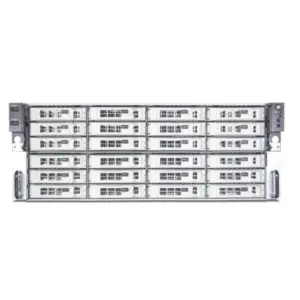
Build a higher-capacity wired access layer for modern wireless, collaboration, security and business devices. This 24-port Catalyst 9300-M platform combines multigigabit copper connectivity, UPoE, modular uplinks, hardware stacking and Meraki cloud management in a 1U enterprise form factor. It is designed for network teams that want more than ordinary Gigabit edge switching and need practical room for faster endpoints, powered devices, scalable operations and centrally managed policy.
Request QuoteCheck Africa Availability
Quick Product Information
Cisco Meraki / Catalyst 9300-M
C9300-24UX-M
Cloud-managed enterprise access switch
24 × 100M/1G/2.5G/5G/10G RJ45
UPoE / 802.3bt; budget depends on PSU configuration
Modular; selected module required
Hardware stacking, up to 480 Gbps platform stacking capability
Meraki Dashboard with applicable subscription
1U rack mount
Contact FourTeck for current commercial options
Product Overview
Enterprise access networks are changing because the devices connected at the edge can now demand more bandwidth and more electrical power than a traditional 1 Gigabit switch was designed to provide. Newer wireless access points, engineering workstations, media endpoints, advanced collaboration systems and high-resolution network devices can make the access layer a bottleneck even when the core network has already been upgraded. The C9300-24UX-M is aimed at that gap. Instead of limiting every copper endpoint to 1G, all 24 RJ45 access ports can negotiate across 100 Mbps, 1G, 2.5G, 5G and 10G, allowing a business to support mixed generations of equipment on the same access platform.
The multigigabit design is especially relevant when organisations are upgrading wireless infrastructure. A modern access point may have a wired interface faster than 1G, and a switch that cannot match that connection can constrain the value of the wireless upgrade. The ability to deliver UPoE also helps the switch serve endpoints that require more power than standard PoE+ classes, subject to the available overall power budget and device negotiation. This can simplify ceiling, wall and remote endpoint installations because data and power can travel over the same structured cabling run.
Operationally, the -M persona is important. The switch is designed for Meraki cloud management rather than being selected simply as a conventional standalone Catalyst purchase. Network teams can use the Meraki Dashboard to organise configuration, monitoring and troubleshooting across supported deployments. Licensing is part of the solution, and buyers should choose between the applicable Enterprise and Advanced tiers and a suitable term. Advanced features can be relevant where organisations need capabilities such as Adaptive Policy and enhanced flow visibility. Existing Meraki organisations also need to review license-model consistency before adding hardware.
For African procurement teams, the buying decision should therefore include the switch, license, uplink module, optics, stacking plan, cabling standard, power design and support expectations as one bill of materials. FourTeck can help translate the device list and topology into a clearer quote request so that a project does not reach installation day with missing transceivers, inadequate PoE capacity or the wrong subscription assumption.
Key Business Benefits
◆ Remove 1G Edge Bottlenecks
Twenty-four multigigabit access ports allow the network to serve devices at several negotiated speeds instead of forcing every endpoint into one fixed class. That gives organisations a practical migration path: existing 1G equipment can remain connected while faster access points, workstations or specialist devices use 2.5G, 5G or 10G where the endpoint and cabling support it.
◆ Power Demanding Endpoints
UPoE capability reduces dependence on local adapters for compatible powered devices. This matters for access points, collaboration equipment and other installations where adding electrical outlets can increase cost or complicate placement. Proper design still requires a total wattage calculation, but a high-power access switch gives the project more options than a basic PoE platform.
◆ Match Uplinks to the Network
Modular uplinks let the buyer select an uplink module that fits the surrounding infrastructure instead of accepting one fixed connector mix. Depending on the chosen supported module and software compatibility, the design can use fibre or copper paths at appropriate speeds. This helps when connecting to a campus core, distribution layer, server room or fibre backbone.
◆ Centralise Day-to-Day Operations
Meraki Dashboard management can reduce the operational friction of managing switches one by one. A distributed IT team can use a consistent interface for supported configuration, monitoring and troubleshooting. For organisations with several branches, campuses or remote technical rooms, central visibility can make routine administration and problem isolation easier to organise.
◆ Scale Through Hardware Stacking
Hardware stacking supports a growth path beyond one 24-port unit. When the design, cables and firmware are planned correctly, multiple compatible switches can operate as a more coordinated stack. This can simplify management, increase access-port density and support resilient designs without immediately moving to a chassis-style platform.
◆ Protect Upgrade Investment
A network refresh often happens in stages. Choosing an access switch that can serve legacy Gigabit endpoints and newer multigigabit devices reduces pressure to replace everything at once. Businesses can modernise wireless, endpoint and uplink components in a controlled sequence while retaining one access platform that accommodates a broad range of connection speeds.
Product Highlights That Matter in a Real Deployment
The most important characteristic of this switch is not simply the count of 24 ports; it is that each access port is multigigabit-capable. A mixed office or campus can therefore connect ordinary 1G devices and higher-speed endpoints without reserving only a few premium ports for demanding equipment. Published platform performance for this model includes 640 Gbps switching capacity and a forwarding rate of 476.19 Mpps. These figures help show why the unit is positioned for a demanding enterprise access role rather than a small unmanaged edge network.
Power planning is equally significant. The standard configuration uses a 1100W AC power supply, with 560W of available PoE budget published for the primary supply configuration. Supported secondary power-supply choices can change the available budget, with higher totals possible according to the documented PSU combination and port-density limits. Buyers should calculate endpoint draw based on the actual access point, camera, phone or collaboration-device list instead of assuming that every port can simultaneously deliver its maximum class.
The switch provides modular uplink flexibility. Supported C9300-M accessory families include options such as dual 40G QSFP, eight-port 1G/10G SFP+, dual 1G/10G/25G SFP28, four-port multigigabit RJ45 and four-port 1G SFP modules. Exact module support can depend on software release, so the bill of materials should be checked against the intended firmware and optics before order approval.
Physical deployment also deserves attention. This is a 1U rack-mount unit approximately 20.2 inches deep with the default power supply. It uses hot-swappable fans and supports dual hot-swappable power supplies. Rack depth, airflow, PDU availability, UPS capacity and service access should all be reviewed in advance, particularly in compact branch cabinets where a deeper enterprise switch may not fit like a short-depth SMB model.
Technical Specifications
| Specification | C9300-24UX-M Detail | Buyer Note |
|---|---|---|
| Product family | Catalyst 9300-M | Meraki-managed persona |
| Access interfaces | 24 × RJ45 supporting 100M/1G/2.5G/5G/10G | Endpoint and cable quality determine negotiated speed |
| Power over Ethernet | UPoE / 802.3bt, up to 60W-class port capability where supported | Total power budget must be calculated |
| Default power supply | PWR-C1-1100WAC-P-M | Confirm power cord and input environment |
| Available PoE with primary PSU | 560W | Published value for standard primary PSU |
| Maximum documented PoE with secondary PSU | Up to 1440W with documented PSU combination, subject to port-density limits | Configuration dependent |
| Uplink | Modular | Choose module and optics separately |
| Hardware stack ports | 2 | Correct stack cables required |
| Stacking capability | 480 Gbps platform stacking | Plan compatible members and firmware |
| Switching capacity | 640 Gbps | Published model performance |
| Forwarding rate | 476.19 Mpps | Published model performance |
| Management interface | 1 dedicated management interface | Useful for supported administration design |
| Cloud management | Meraki Dashboard | Active applicable license/subscription required |
| License tiers | Enterprise or Advanced | Terms available in multiple durations; check organisation licensing model |
| Dimensions | Approx. 1.73 × 17.5 × 20.2 in (4.4 × 44.5 × 51.3 cm) | Confirm rack depth and airflow |
| Weight | Approx. 18.18 lb / 8.25 kg | With default power supply |
| Mount type | 1U rack mount | Rack brackets normally included; confirm package |
| Fans | 3 hot-swappable fans | Maintain correct airflow clearance |
| Operating temperature | -5°C to 45°C | Environmental design remains important |
| Recommended multigigabit cabling | Category 6A preferred for reliable higher-rate operation | Existing Cat5e may support some rates but is more sensitive to conditions |
Specifications should be interpreted as part of a system design. A 10G-capable access port does not guarantee a 10G user experience if the endpoint only supports 2.5G, the cable plant is unsuitable, the uplink is undersized or upstream policy limits the traffic. The same principle applies to UPoE: the switch can provide high per-port power capability, but the usable total depends on installed power supplies and the combined demand of connected devices. FourTeck recommends sending a simple port schedule showing endpoint type, required speed and expected wattage, plus the uplink destination and fibre distance. That information makes it much easier to choose the correct uplink module, optics, second PSU and stack accessories before the purchase order is raised.
Configuration and Buyer Guidance
Begin with the endpoint map. List every device that will connect to the switch and record whether it is a standard workstation, Wi-Fi access point, IP phone, camera, room system, server interface, storage appliance or specialist device. For each endpoint, identify the highest useful Ethernet speed and whether it requires PoE. This prevents a common mistake: buying a premium multigigabit switch without understanding which endpoints can benefit from the extra capacity or how much electrical power the powered devices will consume.
1. Port and Speed Plan
Count current endpoints, reserve sensible growth and identify which devices genuinely need 2.5G, 5G or 10G. Avoid using total port count as the only sizing measure.
2. PoE Budget
Add the maximum expected draw of powered endpoints, then retain headroom. Decide whether a secondary PSU is required for extra budget, redundancy or both.
3. Uplink Choice
Confirm upstream port type, link speed, fibre type and distance. Select the network module and transceivers only after those facts are known.
4. Licensing Model
Choose Enterprise or Advanced according to required features and confirm whether the Meraki organisation uses co-term, per-device or subscription licensing rules.
5. Cabling Readiness
Audit cable category, run length, patch panels, terminations and bundling. Category 6A is the safer choice where reliable higher multigigabit rates are a requirement.
6. Rack and Power
Check cabinet depth, rear clearance, airflow, UPS capacity, PDU sockets, input voltage and service access. Enterprise switches deserve infrastructure planning before delivery.
For a multi-switch design, also decide whether hardware stacking is part of the topology and include the correct stack cable lengths. A stack can simplify operations, but physical placement affects cable choice. If the switches occupy different rack positions, measure the route instead of ordering the shortest cable by default. For a replacement project, collect the old switch configuration, VLAN list, trunk design, authentication dependencies and connected-device inventory so migration can be staged with fewer surprises.
Ideal Business Use Cases
High-Capacity Wi-Fi Access Layer
A strong fit for offices, campuses, schools, hospitals, hotels and public facilities deploying wireless access points with multigigabit Ethernet interfaces. The switch can provide faster wired backhaul and power over the same cable, subject to access-point requirements and the calculated UPoE budget.
Digital Workplaces
Engineering, creative, financial and data-intensive teams may use workstations or local devices that benefit from more than 1G. Multigigabit access can reduce LAN transfer constraints where servers, storage and upstream links are also sized to deliver the required throughput.
Collaboration and Smart Spaces
Meeting rooms can combine video systems, touch controllers, IP phones, occupancy devices and wireless infrastructure. A managed UPoE switch helps consolidate connectivity and power while giving administrators visibility over VLANs, port state and supported policy from a central management environment.
Branch Standardisation
Organisations with several branches can use a consistent cloud-managed switching approach to reduce variation between sites. The hardware may be more capable than a small branch needs today, but it can support growth, Wi-Fi upgrades and higher-speed endpoints while being administered through a common dashboard model.
Campus Access Refresh
Universities, corporate campuses and larger institutions often replace access layers in phases. This model can serve as part of a staged refresh where older 1G devices stay online and newer multigigabit endpoints are introduced without creating a separate access switch for every speed class.
Resilient Network Closets
Dual power-supply support, hot-swappable fans and hardware stacking are useful in wiring closets that require serviceability and a structured growth plan. The final design should still consider UPS resilience, upstream redundancy, spare capacity and environmental control as part of the complete network room.
The switch is less suitable when the requirement is only a handful of ordinary 1G endpoints with no need for central Meraki operations, high PoE, modular uplinks or growth. In that case, a smaller fixed-uplink model may be more economical and easier to deploy. FourTeck can help compare the requirement against related managed switches rather than recommending enterprise capacity that the site will never use.
Cisco Meraki C9300-24UX-M Multigigabit Access Performance
Multigigabit Ethernet is valuable because it extends the useful life of copper access cabling while allowing compatible endpoints to operate above traditional Gigabit speeds. A device may negotiate at 2.5G, 5G or 10G depending on its interface, cable quality and network design. This flexibility is important during refresh cycles because organisations rarely replace every endpoint simultaneously. One department may still use standard desktops at 1G while a new wireless deployment needs 5G or 10G uplinks and a media team benefits from faster local transfers.
The published 640 Gbps switching capacity and 476.19 Mpps forwarding rate give the platform substantial internal performance for a 24-port access switch. Buyers should nevertheless separate switch capacity from end-to-end application performance. A fast access port can still be constrained by an undersized uplink, overloaded firewall, slow server, WAN bandwidth or storage system. Network design should therefore follow the complete traffic path from endpoint through access, distribution, security and application infrastructure.
Cabling deserves particular attention at higher rates. Cisco Meraki documentation recommends Category 6A for reliable multigigabit operations because cable bundling, alien crosstalk, radio-frequency noise, length and environmental conditions can affect link stability. Existing Category 5e may support some multigigabit speeds in suitable conditions, but a critical 5G or 10G deployment should not rely on optimistic assumptions. A cable qualification exercise can be a small cost compared with troubleshooting intermittent high-speed links after the switch is installed.
Cisco Meraki C9300-24UX-M UPoE Power Planning
UPoE is often treated as a checkbox, but the real procurement issue is the wattage plan. This model supports UPoE/802.3bt on its access interfaces and is positioned for powered endpoints that can exceed traditional PoE+ demand. The default 1100W AC power supply configuration provides a published 560W available PoE budget. Additional supported power-supply combinations can raise the available total. However, the amount of power that can be delivered across the switch is still governed by the documented platform design and the load requested by connected devices.
A proper power schedule should list every powered device model and its expected or maximum draw. Wireless access points can differ significantly between generations and radio configurations. Cameras may draw more power when heaters, infrared illumination or pan-tilt-zoom mechanisms operate. Collaboration endpoints may combine displays, cameras or peripherals. If all these devices are simply counted as “PoE ports,” the switch may have enough physical connections but not enough electrical headroom.
Power resilience is another reason to consider a second PSU. Some buyers add a second supply primarily to increase the available PoE budget; others need redundancy so a single PSU fault does not remove switch power. Those are different design goals and should be stated clearly. The rack UPS and upstream electrical circuit must also be sized for the real switch and PoE load. FourTeck can review the endpoint list and help prepare a quotation that includes the required PSU option and local power accessories without assuming that one configuration fits every site.
Cisco Meraki C9300-24UX-M Cloud Management, Licensing and Stacking
The -M designation changes the operational conversation. This is a Meraki-managed Catalyst platform intended to integrate with the Meraki Dashboard. For organisations already using Meraki wireless, security or switching, that can make the access layer easier to include in an established monitoring and administration workflow. For a new Meraki deployment, the cloud-management model can simplify visibility across several locations, but the subscription design must be treated as part of the purchase rather than an optional afterthought.
Catalyst 9300-M licensing is available in Enterprise and Advanced tiers across several term lengths. Advanced licensing can add functions such as Adaptive Policy and enhanced traffic-flow capabilities. Existing Meraki organisations should review whether they use co-term, per-device or subscription licensing. Co-term environments can impose edition consistency across applicable switch families, so mixing Enterprise and Advanced without checking organisation rules can create an incompatible licensing situation. A reseller or procurement team should therefore provide the Meraki organisation context when requesting a quote.
Hardware stacking adds another layer of planning. The switch includes two hardware stack ports and participates in the 480 Gbps Catalyst 9300-M stacking architecture with appropriate supported components. Stack cables are separate accessories and come in different lengths. A stack can create a more coordinated access system and simplify growth, yet switch placement, firmware alignment and change windows still matter. Buyers replacing an existing stack should document member count, uplink topology, power-sharing expectations, cabinet layout and migration sequence before ordering hardware.
What Buyers Should Check Before Purchase
A successful switch order starts with a complete requirement, not a model number copied into a purchase request. The C9300-24UX-M can be an excellent access platform, but only when the surrounding design can use its speed, power and management capabilities. Before requesting a quotation, collect the information below and share it with FourTeck. Doing so reduces the risk of ordering incompatible optics, the wrong license tier, insufficient power capacity or a switch that will not fit the existing rack.
Configuration Fit
Confirm 24 ports are enough for current devices plus growth. Record how many endpoints need 1G, 2.5G, 5G or 10G. A site that requires 40 or 45 copper endpoints may be better served by a different port-density model or a two-switch design.
Compatibility Check
Identify the upstream core or distribution switch, firewall, fibre standard and required transceiver types. Verify cable category and patch-panel condition for multigigabit endpoints. Do not assume that an existing optic or cable will automatically match the chosen uplink module.
Availability and Warranty
Ask for the current supply route, included accessories and applicable warranty handling in the written offer. Availability can change by quantity and destination. Do not rely on an older online listing as proof of current stock or identical regional commercial terms.
License and Renewal
State whether Enterprise or Advanced features are required and provide the preferred term. If the switch will join an existing Meraki organisation, confirm the current licensing model and edition before adding the new device.
Power and Environment
Provide the powered-device list, expected PoE draw, rack depth, UPS rating, PDU layout and local power requirements. Decide whether a second PSU is needed for extra PoE, redundancy or both.
Quote Preparation
Send quantity, destination, required delivery window, license term, uplink design, transceiver distances, stack-member count, accessories and installation expectations. A complete request lets the supplier price the useful solution rather than only the base chassis.
Replacement projects need one more step: compare the existing switch’s features and topology with the new design. Capture VLANs, trunks, link aggregation, authentication, IP addressing, voice settings, uplinks, spanning-tree dependencies and special port configurations. A hardware upgrade should not accidentally remove a function that users depend on simply because the new switch has faster ports.
Questions Business Buyers Ask About the C9300-24UX-M
The questions below address the practical points that usually determine whether this switch is a good fit for a project. They cover capacity, cabling, power, uplinks, licenses, stacking, replacement planning and quotation preparation so technical and procurement teams can reach the same decision with fewer gaps.
Is this switch mainly for Wi-Fi access points?
No. High-speed wireless is one of the strongest reasons to choose it, but the multigigabit ports can also serve workstations, collaboration systems, network appliances and other compatible Ethernet devices. The key question is whether the site has enough endpoints that benefit from more than 1G or high-power PoE to justify this class of access switch.
Will every port run at 10G automatically?
No. Each port can negotiate among supported rates, but the actual link speed depends on the endpoint interface, cabling, cable length, patching and operating conditions. A 2.5G access point will normally negotiate at its supported rate rather than 10G. Cabling should be validated when higher multigigabit speeds are a business requirement.
Do we need Cat6A cabling?
Category 6A is the safer recommendation for reliable higher-rate multigigabit operation, especially where cable bundles, longer runs or electrical noise are present. Existing Cat5e can support some multigigabit rates in suitable conditions, but a critical deployment should be tested rather than assumed. The cable plant is part of the performance design.
How many powered devices can it support?
The answer depends on wattage, not only port count. The standard primary PSU configuration provides a published 560W PoE budget. A set of 24 low-draw devices may fit comfortably, while fewer high-power endpoints can use the budget faster. Calculate the expected draw of every powered device and include growth margin before selecting the PSU arrangement.
Which uplink module should we choose?
Choose the module from the upstream requirement backward. Confirm whether the core offers 1G, 10G, 25G or 40G, whether the path is fibre or copper, which optic standard is needed and the distance involved. The C9300 family has several supported modular uplink choices, but buying the module before defining the link can create unnecessary cost or incompatibility.
Does the switch require a Meraki license?
Yes, the Meraki-managed C9300-M operating model uses an applicable subscription. Buyers should choose Enterprise or Advanced according to required functions and select a suitable term. If the switch is joining an existing Meraki organisation, licensing consistency rules should be checked before purchase because the organisation model can affect which edition is appropriate.
When is Advanced licensing worth considering?
Advanced licensing is most relevant when the organisation needs functions such as Adaptive Policy and enhanced traffic-flow capabilities supported in that tier. A buyer should avoid choosing Advanced only because it sounds more capable; map the required functions to the license features. Conversely, do not choose Enterprise solely to reduce initial cost if a required network policy depends on Advanced features.
Can we stack several units?
Yes, compatible Catalyst 9300-M switches support hardware stacking, and the platform provides 480 Gbps stacking capability. Stacking still requires the correct supported cables, firmware planning and a physical layout that suits the selected cable lengths. A procurement team should specify the number of switches and rack positions so the accessory list can be prepared correctly.
Is this a direct replacement for an older Meraki switch?
It can be a suitable modern replacement in some environments, but replacement should be based on functions rather than port count alone. Compare the old switch’s uplinks, PoE budget, licenses, stack design, VLAN configuration and connected-device speeds. Existing optics or stack accessories may not be the correct parts for the new hardware, so migration planning is essential.
What information should we send for an accurate quotation?
Send quantity, destination, required license tier and term, powered-device list, desired uplink speed, fibre type and distance, stack-member count, preferred redundancy level and required accessories. For replacements, also share the existing model and key topology. This information helps FourTeck build a useful bill of materials instead of quoting a bare switch that may be incomplete.
What should we consider if the exact configuration is unavailable?
Identify the non-negotiable requirements first: port count, multigigabit speed, power class, uplink type, cloud-management model and licensing needs. FourTeck can then discuss a related Catalyst 9300-M or another enterprise switch that meets those requirements. A controlled alternative is better than accepting a superficially similar model that removes a critical capability.
How This Multigigabit Switch Fits Common Business Requirements
Buyers often arrive with a business problem rather than an exact switch specification. They may need faster Wi-Fi, more reliable powered devices, easier branch management or a replacement for an ageing access layer. The cards below connect those needs to the technical questions that should guide the final selection.
Need Faster Wireless Backhaul
When new access points expose 2.5G, 5G or 10G Ethernet interfaces, a multigigabit switch prevents the wired edge from automatically becoming a 1G choke point. Match switch ports, AP interfaces, cable quality and uplink capacity as one design.
Need More PoE Headroom
High-power wireless and collaboration devices can exceed the limits of older PoE switches. UPoE capability provides a stronger platform, but the correct choice still depends on the total wattage schedule and selected PSU configuration.
Need Cloud-Based Operations
A Meraki-managed switch fits organisations that want central Dashboard administration across sites. The operational model should be considered with the required license tier, existing Meraki organisation and support workflow rather than evaluated only by hardware specifications.
Replacing an Older Access Stack
A replacement project should compare uplinks, stack design, power budget, VLANs, authentication and optic compatibility. Faster ports are useful, but preserving required network behaviour is more important than treating the project as a simple hardware swap.
Planning for Growth
A 24-port multigigabit platform can support mixed endpoint generations and stack-based expansion. Growth planning should include additional powered devices, expected Wi-Fi upgrades, uplink headroom and rack capacity so the switch remains useful beyond the first installation phase.
Preparing a Procurement Request
A useful request includes switch quantity, license term, uplink module, optics, stack cables, secondary PSU needs, delivery destination and support expectations. This avoids comparing incomplete quotes where one seller includes critical accessories and another lists only the chassis.
Africa Availability and Service Support
FourTeck supports Africa-focused enquiries for enterprise switching projects by helping buyers clarify the technical and commercial scope before an order is confirmed. For this model, the discussion can include port-speed requirements, powered-device calculations, Meraki licensing, uplink modules, transceiver selection, stacking components, secondary power supplies, rack fit, structured cabling and the delivery destination. This is useful for organisations buying a single switch as well as resellers, integrators and project teams preparing a larger rollout.
Availability is not represented as a fixed stock promise. The applicable option can vary with supplier status, quantity, selected accessories, subscription term and destination. A buyer should request a current written quotation and verify what is included. For example, an online hardware price may exclude the Meraki license, optics, stack cables, spare power supply, power cord or installation services. Comparing complete bills of materials gives procurement teams a more realistic view than comparing chassis prices alone.
FourTeck can also provide warranty guidance for the proposed supply route and help identify related models if the required configuration, lead time or project budget points toward another option. Share the project topology, endpoint list, quantity and delivery country through the FourTeck Africa contact page to begin a configuration-aware quotation discussion.
Africa Country and Regional Coverage
Across Africa, enterprise network purchases often involve more than selecting a model from a catalogue. Buyers need to align the product with the building cabling, installed wireless platform, firewall or core switch, rack environment, power system, procurement process and long-term support plan. FourTeck helps bring these details into one discussion so a business can request a switch configuration that fits its actual operating environment rather than choosing only by the headline port count.
Commercial and deployment conditions can vary by destination and project. Suitable uplink modules, transceiver types, license terms, spare power supplies, stack cables and delivery arrangements depend on the required topology, quantity, supplier status and local receiving details. Warranty handling should also be confirmed with the quoted supply route. For regional projects, it is helpful to provide a site schedule that shows quantity, rack location, endpoint type and required accessories per site so that one standard design can be validated before repeated deployment.
The sections below focus on Tanzania, Libya and Seychelles because each market can present a different operating context. FourTeck can support selection, quotation preparation, delivery coordination and related product guidance while keeping final availability and commercial terms tied to the current written offer. Buyers can also review broader technology support through FourTeck IT Solutions Africa.
Cisco Meraki C9300-24UX-M Multigigabit UPoE Switch in Tanzania
For Tanzanian enterprises, schools, financial organisations, healthcare environments, government projects, integrators and expanding business offices, the Cisco Meraki C9300-24UX-M Multigigabit UPoE Switch in Tanzania can be considered where the access network needs more than ordinary Gigabit connectivity. A practical deployment discussion should start with the endpoints: how many Wi-Fi access points require multigigabit backhaul, which devices need high-power Ethernet, whether existing user ports remain at 1G, and how much future growth should be reserved. Infrastructure preparation is equally important. Older cable runs should be checked before assuming stable 5G or 10G operation, and network rooms should be reviewed for rack depth, airflow, UPS capacity and suitable power distribution. Where a business is upgrading a campus or multi-floor office, the uplink path to the core must be selected deliberately, including network module, fibre type, transceiver distance and redundancy expectations. Cloud management can be useful for organisations that want a common operating view across several Tanzanian locations, but the Meraki license tier and term should be chosen alongside the hardware. FourTeck can help structure the quotation around switch quantity, powered-device load, uplinks, stack cables, secondary power supplies, optics, license requirements and delivery destination. Availability, timing and warranty handling should be confirmed in the written offer because they can vary with project scope and supply route. This approach gives the buyer a deployment-ready bill of materials rather than a chassis-only price that leaves critical accessories to be discovered during installation.
Cisco Meraki C9300-24UX-M Multigigabit UPoE Switch in Libya
A network refresh in Libya often benefits from disciplined project planning because the access switch must fit into an existing mix of cabling, routers, firewalls, wireless devices, racks and power systems. The Cisco Meraki C9300-24UX-M Multigigabit UPoE Switch in Libya is relevant for organisations that require high-speed copper access and centrally managed operations, but the correct configuration should be built around continuity requirements rather than chosen from the model name alone. Start by identifying the business services that depend on the switch: wireless coverage, IP communications, surveillance, user computing, building systems or local application access. Then map the required port speeds and PoE draw so the design can determine whether the standard power budget is sufficient or a second PSU is justified. Uplink planning deserves the same care. The modular design can support different connectivity approaches, but the selected module and optics must match the upstream equipment, fibre plant and target distance. For a stacked deployment, cable length, rack position and firmware planning should be decided before shipment. Meraki licensing also needs to be included from the beginning, especially when the new hardware will join an existing organisation with established license rules. FourTeck can assist with compatible configuration review, accessory matching, quotation preparation, delivery coordination and warranty guidance for the proposed supply route. Buyers should provide quantity, destination, license preference, uplink details and endpoint list to receive a more useful commercial response. No assumption should be made about local inventory or fixed delivery timing until the current order conditions are confirmed.
Cisco Meraki C9300-24UX-M Multigigabit UPoE Switch in Seychelles
For organisations in Seychelles, network equipment often has to serve compact facilities, hospitality operations, professional offices, government departments, education, healthcare, financial services, retail sites or several smaller locations managed by a limited IT team. The Cisco Meraki C9300-24UX-M Multigigabit UPoE Switch in Seychelles can suit environments where high-performance wireless and powered devices need a strong wired foundation and where central management reduces the need to treat each network closet as an isolated system. The practical value comes from combining flexible port speeds with UPoE and modular uplinks, but the switch should still be matched carefully to site scale. A small office with only standard 1G devices may not need this class of platform, while a hotel, campus or multi-service building with Wi-Fi 6/6E access points, collaboration rooms and high-bandwidth endpoints can benefit more directly. Space planning matters because the chassis is a full-depth enterprise 1U switch rather than a shallow desktop unit; rack depth, ventilation, UPS load and service clearance should be verified. Remote manageability can help distributed operations teams, although the correct Meraki subscription and organisation model must be planned. FourTeck can review accessory requirements, power budget, cabling, uplink optics, stacking needs, warranty route and delivery coordination before the order is finalised. A Seychelles quotation request should include the site or site list, quantity, endpoint schedule, fibre distances and preferred support scope so the commercial offer reflects the complete installation requirement and long-term operating plan.
Other Options Buyers May Consider
Not every project needs a 24-port 10G-capable multigigabit UPoE platform. A suitable alternative depends on port density, required PoE budget, uplink speed, management preference and the rest of the network ecosystem. FourTeck can help compare the technical requirement rather than making a brand-only recommendation. The options below provide useful directions for buyers who are still refining the project.
FortiSwitch FS-424E-POE
Consider when the switching project is closely tied to a Fortinet security environment and managed PoE access is the priority.
FortiSwitch FS-524D
A different enterprise switching path for buyers focused on managed wired connectivity and higher-speed uplink options without the same multigigabit UPoE profile.
Grandstream GWN7801P
A compact managed PoE option for smaller sites that need fewer ports and lower overall network scale than a Catalyst 9300-M deployment.
Grandstream GWN7702P
Useful for straightforward low-complexity PoE connectivity where cloud-managed enterprise features and multigigabit access are not required.
Grandstream GWN7630 Wi-Fi Access Point
Relevant when the switch purchase is part of a wider wireless project and the buyer also needs to plan AP count, PoE, cabling and network coverage.
FourTeck Networking Services
Use this path when the requirement includes switching, structured cabling, Wi-Fi, firewall integration, installation planning or broader network support.
Why Buyers Choose FourTeck
Enterprise switching procurement becomes easier when one team helps connect the hardware choice with the surrounding design. FourTeck approaches a request as a business infrastructure requirement rather than a request for one box. That means asking about endpoint speeds, PoE demand, uplinks, optics, cable condition, racks, power, licensing and support expectations before the buyer approves a configuration.
Assistance for SMB, enterprise, education, hospitality, healthcare, reseller and project requirements without forcing every buyer into the same configuration.
Review of port count, multigigabit needs, PoE headroom, uplink design, stacking and compatible accessories before quotation.
Support preparing the correct Meraki tier and term based on required capabilities and the existing organisation licensing approach.
A structured quotation path that can include the switch, licenses, optics, modules, stack cables, power options and other necessary accessories.
Support reviewing destination details and project requirements before commercial terms and delivery arrangements are confirmed.
Explanation of the warranty route and applicable handling attached to the current supply offer rather than relying on assumptions.
This approach is especially useful for buyers comparing quotations from different sources. One quote may appear lower because it excludes the subscription, uplink module or optics. Another may include a second PSU that the project does not actually need. FourTeck can help the buyer identify the commercial differences so the comparison is based on an equivalent bill of materials. For assistance, use the contact team and include the existing network details where available.
Frequently Asked Questions
What is the C9300-24UX-M used for?
It is an enterprise access switch for organisations that need high-speed copper connectivity, UPoE and Meraki cloud management. Typical deployments include Wi-Fi access layers, campus networks, offices, branch sites and environments with multigigabit endpoints. Its strongest value appears where several devices need more than 1G, higher PoE capability, modular uplinks or centrally managed network operations.
Is the switch available for Africa projects?
FourTeck supports Africa-focused enquiries and can review current commercial options for the required quantity, destination and configuration. Availability should be confirmed at quotation time because supplier status can change. The final offer should also state the selected license, uplink module, optics, power options and included accessories so the buyer understands the complete supply scope.
Can FourTeck help calculate the PoE requirement?
Yes. Provide the model and quantity of each powered endpoint, including access points, cameras, phones and collaboration devices. FourTeck can help organise the expected wattage and compare it with the switch’s available budget for the proposed PSU configuration. The goal is to avoid a design that has enough physical ports but insufficient electrical headroom.
Does the hardware price include the Meraki subscription?
Do not assume it does. Hardware and subscription pricing can be presented separately depending on the quotation source. A complete request should specify Enterprise or Advanced licensing and the preferred term. Buyers should compare total solution cost rather than a bare chassis figure because the operating model relies on an applicable Meraki license.
Which uplink accessories may be needed?
The answer depends on the upstream network. Supported C9300 modular options can provide several fibre or copper interface choices, and the final design may also require SFP, SFP+, SFP28 or QSFP-class optics as appropriate. Share the upstream port type, target speed, fibre type and distance so the correct module and transceiver can be quoted.
Can this switch be used in a hardware stack?
Yes. The Catalyst 9300-M platform supports hardware stacking and this model includes two hardware stack ports. A stack design requires supported stack cables in suitable lengths and should be planned with compatible members and firmware. If stacking is required, state the member count and rack positions when requesting a quote so the accessory list is complete.
What warranty guidance is available?
FourTeck can explain the warranty route associated with the quoted supply option and help buyers understand how hardware and supported accessories are handled. Warranty terms can depend on the channel, destination and product component, so the written quotation and applicable vendor terms should be reviewed before purchase rather than assuming every supply route is identical.
How do I choose between Enterprise and Advanced licensing?
Choose the tier by required functions and your existing Meraki organisation. Advanced is relevant when capabilities such as Adaptive Policy and enhanced flow visibility are part of the design. Existing co-term organisations may require license-tier consistency across applicable switches. Share your current edition and required features so the correct option can be checked before ordering.
Can businesses request bulk or project supply?
Yes. Businesses, resellers, integrators and project teams can submit multi-unit requirements. Include a site schedule, quantity per location, common configuration, license term, endpoint profile, uplink design and accessory needs. FourTeck can help determine whether one standard configuration suits every site or whether some locations should use a smaller or higher-density alternative.
Need Help Choosing the Right Enterprise Switch?
Send FourTeck your endpoint list, required port speeds, PoE load, uplink design, license preference, quantity and delivery destination. The team can help review product fit, compatible accessories, current availability, warranty guidance and a practical Africa-focused quotation.
Reviews
There are no reviews yet.