
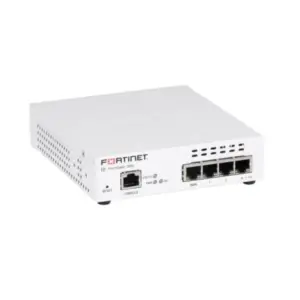
Cisco Meraki MV13M 4K Indoor Camera in Africa
Bring high-detail indoor video, local solid-state recording, and centralized Meraki management into one compact surveillance platform. The MV13M is designed for organizations that need an unobtrusive mini-dome camera for entrances, hallways, reception zones, office areas, retail environments, and other managed indoor spaces where image detail, secure access, fast investigation, and simplified administration matter. FourTeck helps Africa-based buyers review the camera, license term, PoE readiness, mounting position, retention expectations, network fit, accessories, and delivery requirements before a commercial proposal is finalized.
Request QuoteCheck Africa Availability
Availability, license terms, accessory requirements, and delivery arrangements can vary by quantity, supplier status, project scope, and destination. FourTeck can help prepare the correct bill of materials before order confirmation.
Quick Product Information
Cisco Meraki
MV13M-HW
Indoor fixed-lens mini-dome smart camera
1/2.8-inch 8.41 MP progressive CMOS
4K 3840 × 2160 up to 15 fps
512 GB high-endurance solid-state storage
Built-in IR illumination up to 15 m
802.3af PoE; 12.95 W maximum
Meraki Dashboard and supported Vision tools
Meraki MV license required; term selected separately
Five-year hardware warranty with advanced replacement per current vendor documentation
Quote, configuration, delivery coordination, and warranty guidance
Product Overview
The MV13M is an indoor network surveillance camera that approaches video security differently from a traditional recorder-centered CCTV design. Instead of depending on a separate NVR for its primary recording architecture, the camera contains high-endurance local solid-state storage and uses Meraki cloud services for management, metadata, remote access, policy, and supported investigation tools. That combination can reduce the amount of dedicated recording hardware a business has to install and maintain, while still giving authorized administrators a centralized way to manage cameras distributed across one building or many sites.
For image capture, the camera uses an 8.41 MP progressive CMOS sensor and a fixed 3.3 mm lens. It can record at 4K resolution up to 15 frames per second, or at lower supported resolutions with higher frame-rate options. The 101.3° horizontal field of view gives the camera broad indoor coverage without turning it into a 360-degree device. This makes placement particularly relevant: it is well suited to monitored lanes, reception areas, corridors, entrances, exits, retail spaces, common office zones, and selected public-facing areas where a wide but directed view is preferred.
The MV13M also incorporates analytics and search functions that can help security teams move from continuous manual playback toward faster event investigation. Machine-learning-assisted detection can identify and classify people and vehicles, while supported tools include motion search, motion recap, motion heatmaps, attribute search, line crossing, and area occupancy. These capabilities do not remove the need for a sensible surveillance policy, privacy controls, and correct camera positioning, but they can make a large video estate easier to operate when the deployment is planned well.
For African organizations, the buying decision should cover more than the camera body. The PoE source, cable route, internet access, Meraki organization, license duration, user permissions, retention objectives, optional cloud archive, mounting surface, microphone policy, and support model all influence whether the deployment will work as expected. FourTeck can help translate those technical dependencies into a practical quote so procurement teams can compare the full requirement rather than selecting hardware by model name alone.
Key Business Benefits
A surveillance camera creates value when it makes monitoring, investigation, administration, and lifecycle planning easier for the organization using it. The MV13M combines several capabilities that can support those outcomes without requiring every site to be built around a large recorder stack.
◆ Higher Detail for Indoor Evidence
Up to 4K recording can provide additional scene detail when the viewing angle and lighting are suitable. For security teams, this can improve the usefulness of footage around reception points, corridors, access zones, and other areas where operators may need to understand what happened rather than simply confirm movement.
✓ Local Recording Without a Separate NVR
The 512 GB high-endurance solid-state drive keeps primary video on the camera. This can simplify the physical infrastructure at smaller sites and reduce dependence on a central recorder for routine operation. Retention still depends on recording settings, scene activity, selected resolution, and any cloud archive choices.
⚙ Centralized Cloud Administration
Meraki Dashboard management gives authorized teams a common operational view across supported cameras and sites. This is especially useful for distributed organizations where a central IT or security team needs consistent visibility without visiting every branch for routine configuration and monitoring tasks.
● Faster Incident Investigation
Motion and attribute-based tools can reduce the time spent scanning long periods of footage. When operators know a location, approximate time, object type, or activity pattern, supported search and analytics features can help narrow the review process and make investigations more practical.
🔒 Security Built Into the Platform
Full-disk encryption, secure boot, signed firmware, management encryption, role-based user access, and two-factor authentication support a more controlled approach to video administration. Buyers should still apply appropriate account governance and internal privacy policies around who can view, export, or share footage.
↗ Scalable Operating Model
The cloud-managed architecture is suitable for deployments ranging from a small number of cameras to very large estates. A business can therefore standardize a common management approach while choosing different Meraki camera models for indoor, outdoor, fisheye, varifocal, or specialized viewing requirements.
Product Highlights for Security and IT Teams
The camera’s strongest practical advantage is not one specification in isolation but the way image capture, storage, analytics, and management are combined. The fixed-lens design keeps the unit compact and predictable, while the broad horizontal view covers many common indoor surveillance scenes. Infrared illumination supports low-light operation to 15 meters, and automatic day/night behavior helps the camera adjust as lighting changes.
Supports detailed video capture and the camera’s 4K recording mode for scenes where additional image information is valuable.
Provides broad indoor coverage while retaining a directed camera perspective, making placement easier to reason about than a full panoramic view.
Helps control bandwidth and storage use while supporting multiple resolution choices for different retention and video-quality priorities.
Authorized users can access supported live and recorded video workflows without building every viewing station around dedicated client software.
Audio recording is supported where policy and applicable law permit. Organizations should review consent, privacy, and microphone-use requirements before enabling audio.
Compatible Meraki accessories support wall, pole, corner, T-rail, telescopic, conduit, and other installation scenarios when the correct accessory is selected.
Technical Specifications
| Specification | MV13M Details |
|---|---|
| Brand / Model | Cisco Meraki MV13M-HW |
| Camera type | Indoor fixed-lens mini-dome network smart camera |
| Image sensor | 1/2.8-inch 8.41 MP (3854 × 2176) progressive CMOS backlit sensor |
| Lens | 3.3 mm fixed lens, f/2.0 aperture |
| Field of view | 119.7° diagonal, 101.3° horizontal, 54.4° vertical |
| 4K video | 3840 × 2160 with H.264 Smart Codec, up to 15 fps |
| Other video modes | 4 MP 2560 × 1440 up to 24 fps; 1080p 1920 × 1080 up to 24 fps |
| Onboard storage | 512 GB high-endurance solid-state storage |
| Night vision | Built-in infrared illuminators effective up to 15 m (49 ft) |
| Audio | Audio recording supported with three built-in microphones; microphone cut-off control available |
| Ethernet | 1 × 10/100/1000BASE-T RJ45 |
| Wireless | 2.4 GHz 802.11b/g/n and 5 GHz 802.11a/n/ac; country-specific restrictions apply |
| Power | 802.3af PoE minimum; maximum camera power consumption 12.95 W |
| Operating temperature | 0°C to 40°C (32°F to 104°F) |
| Security | AES-256 full-disk encryption, TLS certificates, management encryption, two-factor authentication, secure boot, signed firmware, hardware security chip |
| Dimensions / weight | 120 mm diameter × 83.5 mm height; approximately 430 g |
| Licensing | Meraki MV license required; supported license terms and optional MV Sense / Cloud Archive choices depend on requirement |
| Warranty | Five-year hardware warranty with advanced replacement according to current Cisco Meraki documentation |
Choosing the correct setting is as important as choosing the correct camera. A business that prioritizes maximum image detail may prefer 4K, while another site may choose 4 MP or 1080p because the required retention period, available bandwidth, scene movement, and investigation workflow make a different balance more practical. The 512 GB onboard drive is fixed to this model, but the actual number of retained days varies with resolution, frame rate, scene activity, motion-based retention choices, scheduled recording, and other settings. Optional cloud archive can add a separate retention layer when required. Buyers should also check whether the existing switch provides suitable PoE, whether the cable path remains within Ethernet distance limits, whether wireless use is appropriate and permitted for the destination, and whether the selected mounting position achieves the intended view without strong backlighting or avoidable obstructions. FourTeck can review these points before quotation so the bill of materials includes the camera, license, power method, mounts, and related items needed for the actual site.
Configuration and Buyer Guidance
A model number does not define a complete surveillance solution. Before ordering, buyers should establish what the camera is expected to see, how footage will be used, how long recordings should remain available, who needs access, and what network infrastructure is already in place. These questions reduce the risk of purchasing a technically capable camera that is positioned or configured poorly for the operating requirement.
What area must be covered?
Provide room dimensions, target zones, approximate camera height, and the activity that matters. A corridor, retail floor, reception desk, and cash-office entrance all require different positioning even when the same camera model is considered.
How much detail is required?
Decide whether the priority is general situational awareness, recognition at a controlled distance, or closer identification. Resolution helps, but distance, lighting, viewing angle, subject movement, and lens position remain equally important.
What retention period is expected?
Retention is influenced by video quality, motion, schedule, and storage policy. State the desired number of days and any compliance or internal policy requirements so the recording profile and optional archive choices can be assessed.
Is the network ready?
Confirm PoE capacity, Ethernet cabling, internet access, VLAN design, firewall requirements, addressing policy, and whether the Meraki organization is already established. These details affect deployment more than the camera casing itself.
Which license term fits the project?
Meraki cameras require licensing. Procurement teams should align the license duration with budget cycles, project lifecycle, renewal planning, and any optional analytics or cloud archive requirements rather than treating licensing as an afterthought.
What installation accessories are needed?
Mounting surface, conduit path, ceiling type, wall position, corner view, and power source may require additional brackets, adapters, injectors, anchors, or cabling. A site photo or drawing can improve quote accuracy.
Ideal Business Use Cases
The MV13M is best considered for controlled indoor environments where a compact fixed-lens camera can observe a defined area. It is not an outdoor-rated replacement for a weather-exposed camera, and it is not a fisheye model intended to cover an entire room from a single overhead 360-degree view. Matching the form factor to the scene is the first step toward useful results.
Office Entrances and Reception
Reception areas and controlled entrances benefit from a broad view that can capture arrivals, movement between access points, and activity around visitor areas. The compact dome format can fit professional interiors without dominating the ceiling or wall.
Retail and Customer Areas
Retailers can use the camera for selected aisles, service counters, entrances, or internal circulation zones where visual detail and quick review are valuable. Analytics may also support operational understanding when configured appropriately.
Education and Campus Interiors
Schools, colleges, and training centers may consider the model for hallways, administrative areas, libraries, shared spaces, and controlled entrances, subject to local safeguarding, privacy, and surveillance policies.
Healthcare and Professional Facilities
Clinics, hospitals, laboratories, and professional offices can use indoor cameras in non-sensitive common areas where security monitoring is justified. Access permissions and microphone settings should be governed carefully in privacy-sensitive environments.
Hospitality Properties
Hotels and serviced properties may use compact indoor cameras around lobbies, back-of-house corridors, service entrances, storage access points, or common facilities while selecting different outdoor or panoramic models for other zones.
Distributed Branch Networks
Organizations with several offices can standardize a cloud-managed monitoring approach and give approved administrators centralized access. Each branch can still receive a camera mix appropriate to its layout instead of forcing one model into every location.
The model may also suit internal warehouses, service centers, financial-services offices, public-sector buildings, controlled business corridors, and other indoor spaces where the operating temperature, mounting position, network design, and privacy requirements align with the product. For higher optical reach, outdoor exposure, vandal-resistant requirements, panoramic coverage, or a different retention target, another Meraki MV model may be more appropriate. FourTeck can help compare the scene requirement against the wider camera family before a project is locked to one hardware choice.
MV13M 4K Video Detail and Indoor Coverage
Image quality is useful only when it aligns with the scene. The camera’s 8.41 MP sensor gives it the data needed for up to 4K recording, but a buyer should view 4K as a tool rather than an automatic setting for every deployment. Higher resolution can make small scene details easier to inspect, yet it can also increase storage consumption and change how long footage remains available. In a busy lobby or retail area, the preferred configuration may therefore differ from a quiet corridor or controlled doorway.
The fixed 3.3 mm lens and 101.3° horizontal field of view create a wide indoor scene. That is useful for entrances, shared work areas, reception spaces, and corridor intersections where a narrow telephoto view would miss context. At the same time, fixed-lens geometry makes planning important. Installers should avoid placing the camera so high or far from the target area that the desired subject becomes too small in the image. DORI planning, site drawings, sample mounting heights, and clear operational objectives can help determine whether the model is suitable for detection, observation, recognition, or closer identification at the required distance.
Built-in infrared illumination supports monitoring in low light to a stated range of 15 meters. Real environments can still include reflective walls, glass, glossy surfaces, strong backlighting, or mixed illumination that affects perceived image quality. A pre-install review should therefore consider both daytime and nighttime conditions. For business buyers, the benefit is not merely a 4K label; it is the ability to design a practical indoor view around the level of detail needed for routine monitoring and later investigation.
MV13M Edge Storage, Retention, and Video Access
The MV13M carries 512 GB of high-endurance solid-state storage inside the camera. In the Meraki architecture, primary video is stored locally while cloud services handle management and metadata. This reduces the need to place a conventional recording server or NVR at every location, which can be particularly valuable for branches where communications-room space and local technical support are limited. It also changes the way buyers should think about retention: the question becomes how the camera’s storage, recording settings, motion profile, and optional cloud archive work together.
Retention is not a single fixed number under all conditions. Recording resolution, frame rate, scene complexity, schedule, motion-based retention, and other configuration choices affect how much history remains on the camera. Meraki provides retention controls intended to help organizations balance detail against days of footage. Buyers with a mandatory retention period should state that requirement before quotation so the proposed design can be checked against the actual use case rather than relying on a headline estimate.
Remote access is designed to be convenient without shifting all continuous recording traffic to the cloud. Authorized users can view supported live and recorded video through browser-based workflows, and the platform can proxy video when remote viewing is required. Optional cloud archive licenses can be considered where an organization wants additional off-camera retention. For procurement teams, the important buying point is to define who will view footage, from where, how frequently, and for how long evidence must remain available. Those answers influence license selection, bandwidth planning, storage policy, and operational governance.
MV13M Analytics, Search, and Secure Management
Modern surveillance teams often spend more time searching for relevant events than watching live screens. The MV13M addresses that operational problem with onboard processing and supported search tools. Machine-learning-assisted capabilities can detect, classify, and track people and vehicles, while motion search, motion recap, heatmaps, attribute search, line crossing, and area occupancy can help operators narrow a large volume of footage into a smaller set of relevant moments. These functions are most effective when cameras are positioned consistently and administrators understand the question they are trying to answer.
The same architecture supports broader business uses without turning the camera into a substitute for specialist counting, safety, or identity systems. Line crossing and area occupancy can support traffic understanding, and custom computer-vision capabilities may extend selected workflows. Any analytics project should still be validated against the required accuracy, privacy expectations, and business process before it is treated as a formal operational measurement.
Security controls are equally important because surveillance footage is sensitive. The platform supports AES-256 full-disk encryption, secure boot, signed firmware, TLS certificates, management encryption, role-based access, and two-factor authentication. Organizations should complement these features with disciplined account ownership, least-privilege roles, documented export procedures, and regular review of who can access cameras. FourTeck can help buyers identify licensing and deployment dependencies, but the customer’s internal governance remains essential to a secure operating model.
What Buyers Should Check Before Purchase
Before requesting a quote, buyers should confirm the surveillance objective, deployment environment, compatibility needs, license expectation, and commercial scope. A camera can be technically suitable but still become the wrong purchase if the mounting point, network, retention target, or accessory requirement is overlooked. FourTeck approaches the MV13M as part of a working surveillance design rather than as an isolated piece of hardware.
Configuration Fit
Confirm resolution, frame-rate preference, retention objective, analytics needs, and whether 512 GB onboard storage is appropriate. If a longer or different retention model is required, optional archive services or another camera may need to be evaluated.
Compatibility Check
Review the PoE switch, available power budget, Ethernet cabling, VLAN design, internet path, firewall settings, Meraki organization, user access model, and any wireless restrictions that apply in the deployment country.
Mounting and Environment
The camera is intended for indoor use. Check ceiling or wall material, mounting height, cable entry, nearby lighting, glass, reflections, blind spots, and whether a standard plate or optional Meraki bracket is needed.
Licensing and Lifecycle
Select the required Meraki MV license term and identify any optional MV Sense or Cloud Archive requirement. Procurement teams should record renewal timing and ownership so service continuity does not depend on an undocumented account.
Privacy and Audio Policy
The camera supports audio recording through built-in microphones. Organizations should decide whether audio is appropriate before activation and follow applicable legal, employment, customer-notice, and privacy requirements for the site.
Quote Preparation
Share quantity, destination, required license term, desired retention, existing Meraki environment, PoE availability, mounting notes, site photos where possible, accessory needs, and any project deadline or procurement documentation requirement.
Replacement projects deserve an additional check. If the MV13M is intended to replace an older camera, compare lens coverage, image orientation, mount position, cable route, power method, retention behavior, and management platform rather than assuming a direct physical swap. If a different Meraki model is already deployed, note whether the site relies on particular brackets, licenses, archive settings, or analytics features. For bulk or multi-site orders, provide a simple location schedule showing camera quantity and requirement by site. That allows the quote to distinguish standard indoor positions from areas that may need fisheye, outdoor, varifocal, or specialized hardware.
Practical Questions Business Buyers Ask About the MV13M
The questions below help procurement, IT, security, and project teams translate a product specification into a usable surveillance design. They focus on camera fit, storage, image detail, licensing, network dependencies, accessories, replacement planning, and quote preparation rather than assuming that every indoor deployment has the same needs.
Is this camera suitable for a normal office or branch?
Yes, when the required view is indoors and a fixed wide-angle mini-dome fits the scene. Typical placements include entrances, corridors, reception areas, common spaces, and selected customer-facing zones. The buyer should still check mounting height, lighting, privacy, PoE availability, and whether another lens type would be more appropriate for long distances or panoramic coverage.
Does 4K mean I should always record at 4K?
No. 4K is useful when additional scene detail is important, but it is one configuration choice. Recording at 4 MP or 1080p can provide a different balance of frame rate, storage consumption, and retention. The correct setting should follow the investigation need and retention policy rather than the assumption that the highest resolution is automatically best.
How long will the 512 GB storage keep footage?
Retention is configuration dependent. Resolution, frame rate, scene motion, schedules, motion-based retention, and other recording choices all affect the number of days available. Buyers with a fixed retention requirement should state the target clearly so the proposed settings and any optional cloud archive can be reviewed before the system is purchased.
Do I need an NVR with this model?
The core Meraki MV architecture uses onboard camera storage with cloud-managed access, so a traditional NVR is not required for primary recording in the normal design. Organizations that need off-camera retention can evaluate optional Cloud Archive services. Existing CCTV integrations should be reviewed separately because an older recorder workflow may not map directly to the Meraki operating model.
What power and cabling should be prepared?
The camera requires at least 802.3af PoE and includes a Gigabit Ethernet interface. Buyers should confirm switch PoE budget, cable category and condition, Ethernet distance, VLAN design, and the route to the mounting location. If a suitable PoE switch is not available, a compatible injector or alternative power accessory may need to be included.
Can the camera connect wirelessly?
The specification includes 2.4 GHz and 5 GHz wireless capability, but deployment must respect country-specific radio restrictions and the site’s network design. Power is still required, so wireless connectivity does not remove the need for a suitable power source. Wired Ethernet with PoE is often simpler for predictable camera power and network planning.
Which license is required?
Each Meraki camera requires a supported MV license to operate. Terms are available in multiple durations, and optional licenses can add functions such as MV Sense or Cloud Archive depending on the project. Buyers should confirm the license term, renewal owner, organization details, and any optional service before the purchase order is issued.
What can the built-in analytics actually help with?
Supported analytics can help identify people and vehicles, review motion, visualize activity, monitor line crossings, estimate area occupancy, and narrow investigations through search tools. They are useful for operational awareness and video review, but a business should validate any specialized counting, compliance, or safety requirement before treating camera analytics as a formal measurement system.
What accessories might be needed for installation?
The answer depends on the mounting surface and cable path. Meraki offers mounting plates, wall brackets, a wall arm, conduit box, T-rail adapter, corner mount, telescopic mount, pole mount, and PoE injector options. The standard package does not include every fastener for every building material, so installers should select anchors and screws for the actual structure.
How should I replace an older CCTV camera?
Start by comparing the existing camera’s field of view, mounting position, cable, power method, retention workflow, and recorder dependency. The MV13M may simplify infrastructure, but it may also change how video is stored and managed. A replacement project should therefore include platform migration, user access, licensing, and evidence-export procedures instead of focusing only on physical mounting.
Can this model scale across many branches?
Yes, the Meraki platform is designed for centralized management across deployments from small installations to very large camera estates. Scaling well still requires a consistent naming convention, user-role design, network template, license tracking method, retention policy, and site documentation so the camera fleet remains manageable as the organization grows.
What should I send FourTeck for an accurate quote?
Share camera quantity, delivery country and destination, preferred license term, intended viewing areas, retention target, existing Meraki organization details, available PoE, network information, mounting surfaces, accessory needs, and whether optional cloud archive or analytics services are required. For multi-site projects, a simple site schedule helps separate identical requirements from location-specific exceptions.
How the MV13M Fits Common Business Surveillance Requirements
Organizations often begin a camera project with a broad need such as improving entrance visibility, replacing an aging recorder-based system, standardizing branch monitoring, or giving a central security team better remote access. The following points connect those practical needs to the capabilities and limitations of this indoor Meraki model.
Product Purpose
This camera is intended for managed indoor video surveillance where a fixed wide-angle view, high-detail recording, local storage, and cloud administration are desirable. It addresses the need to monitor defined business spaces without designing the primary recording system around a separate NVR.
Buyer Fit
IT managers, physical-security teams, facility managers, resellers, integrators, and procurement departments can consider the model for offices, retail, education, healthcare, hospitality, financial services, and multi-site organizations that already use or plan to use the Meraki cloud-management environment.
Requirement Matching
The right option depends on the viewing distance, coverage width, desired retention, resolution, lighting, indoor environment, and analytics requirement. A fixed mini-dome is a strong fit for many common rooms and corridors but should not be forced into long-range, outdoor, or panoramic applications.
Infrastructure Compatibility
Check PoE, Ethernet cabling, switch capacity, IP addressing, VLANs, firewall access, internet availability, Dashboard ownership, and licensing. These dependencies determine whether installation is straightforward and whether authorized users can manage the camera as intended.
Replacement and Upgrade
When replacing older cameras, compare more than resolution. Review mounting geometry, old recorder dependencies, user workflows, retention, network readiness, and evidence handling. A cloud-managed edge-storage platform can simplify some infrastructure while requiring new licensing and administration practices.
Quote Preparation and Alternatives
A complete request should include quantity, site type, destination, lens and scene requirements, license term, storage target, PoE readiness, mounts, and project scope. If the MV13M does not fit, FourTeck can help identify another Meraki indoor, outdoor, fisheye, or varifocal option.
Africa Availability and Service Support
FourTeck supports Cisco Meraki smart-camera inquiries across Africa with assistance that starts before the purchase order. The objective is to help the buyer define the camera quantity, correct hardware model, license duration, retention target, mounting approach, PoE method, network readiness, and optional services so the quotation represents a complete operating requirement rather than a bare camera price. This is particularly important with Meraki MV deployments because licensing is part of the operating model and the accessories needed at one site may differ from another.
Availability can change according to supplier status, order quantity, product lifecycle, destination, license term, accessory selection, and project scope. FourTeck therefore handles availability as a current quotation question rather than a permanent stock statement. Buyers can provide a target quantity and location, after which the commercial team can coordinate sourcing information, proposed delivery arrangements, and any documentation needed for the order. Where the exact requirement is not available or is unsuitable, related Meraki models can be reviewed instead of forcing a project around one camera.
Support can also include pre-sales configuration review, license guidance, mounting and accessory planning, delivery coordination, and warranty guidance based on the applicable vendor terms and supplied equipment. Businesses planning multi-site deployments can provide a schedule by location so camera counts, mounts, PoE requirements, and license terms are kept consistent. For current product and project assistance, use the FourTeck Africa contact page and include enough technical context for the team to prepare a useful response.
Africa Country and Regional Coverage
FourTeck works with Africa-focused business buyers that need help turning a surveillance requirement into a practical product request. A useful inquiry normally combines the technical need with the commercial scope: what areas will be monitored, how many cameras are planned, what network and PoE infrastructure already exists, what retention period is expected, which Meraki license term is preferred, whether cloud archive or analytics options are needed, and where the equipment is intended to be delivered. This information helps distinguish a simple single-camera purchase from a larger branch, hospitality, education, healthcare, retail, government, or enterprise project.
Across African markets, suitable configuration and delivery arrangements may vary with supplier status, order quantity, project schedule, radio requirements, destination, mounting accessories, license selection, and the customer’s existing environment. FourTeck can help review these variables, prepare related-product options, coordinate quote details, and provide warranty guidance without assuming that one commercial package works everywhere. The three country sections below provide more focused buying context for Tanzania, Libya, and Seychelles while keeping the overall page centered on a single Africa product offering.
Buyers who need broader information about the vendor family can review Cisco Meraki products for Africa, explore the Meraki MV smart-camera family, or compare Meraki 4K camera options before requesting a final quote.
Cisco Meraki MV13M 4K Indoor Camera in Tanzania
Cisco Meraki MV13M 4K Indoor Camera in Tanzania can be considered by enterprises, public-sector organizations, schools, healthcare providers, financial institutions, resellers, system integrators, hospitality operators, and growing offices that need a centrally managed indoor surveillance platform with high-detail recording and local edge storage. A practical Tanzanian procurement plan should begin with the physical site rather than the camera quantity alone. Buyers should identify the entrances, corridors, reception areas, service counters, and internal zones that genuinely need monitoring, then check mounting height, available lighting, Ethernet cabling, PoE switch capacity, and internet connectivity for each position. In a new office or refurbishment project, structured cabling and switch design can be aligned with camera locations early; in an existing building, the proposal may need injectors, alternative cable paths, or specific mounts. The desired retention period also matters because the 512 GB onboard drive is affected by selected resolution, frame rate, motion, and recording policy. Organizations that already use Meraki networking can review Dashboard ownership and user permissions as part of the same planning exercise, while first-time deployments should assign administrative responsibility before activation. For a useful quotation, buyers should provide quantity, destination, preferred license term, retention target, current PoE environment, mounting notes, and any optional archive or analytics requirement. FourTeck can then assist with configuration review, accessory selection, delivery coordination, related-model guidance, and warranty information so the final bill of materials reflects the real operating environment instead of only the camera model.
Cisco Meraki MV13M 4K Indoor Camera in Libya
A Cisco Meraki MV13M 4K Indoor Camera in Libya project is best scoped around operational continuity, compatibility, and a complete procurement schedule. North Africa business environments may include corporate offices, service facilities, education sites, healthcare organizations, financial operations, industrial support buildings, hospitality premises, warehouses, and distributed branches where security teams need dependable access to recorded events without maintaining a conventional recorder at every location. The MV13M can fit indoor zones with a fixed wide-angle requirement, but the buyer should verify that the planned viewing distance and mounting position match the scene before selecting quantities. Project teams should also document whether the existing LAN provides 802.3af PoE, whether dedicated camera VLANs or firewall changes are required, who owns the Meraki Dashboard organization, and how license renewals will be administered. If the camera is replacing an older CCTV platform, it is worth reviewing the migration of evidence workflows, user access, and retention expectations because local edge recording changes the operating model compared with an NVR-centered system. Accessories should be planned site by site: a standard ceiling position may need only suitable fasteners, while conduit, wall-arm, corner, or other conditions can require specific mounting hardware. For quotation preparation, share the camera count, destination, license term, retention objective, site conditions, PoE status, accessory needs, and any cloud archive requirement. FourTeck can use that information to coordinate a compatible proposal, current availability discussion, delivery planning, and warranty guidance without making assumptions about local stock or fixed delivery times.
Cisco Meraki MV13M 4K Indoor Camera in Seychelles
For organizations evaluating Cisco Meraki MV13M 4K Indoor Camera in Seychelles, the combination of a compact indoor form factor, local solid-state recording, and centralized cloud management can be useful in hospitality groups, professional services, government departments, education, healthcare, financial services, retail, tourism-related organizations, and growing small or mid-sized businesses that operate one site or several distributed properties. In an island-market operating pattern, a lean technical team may be responsible for multiple buildings, so remote visibility and consistent administration can reduce the need to treat every camera as an isolated appliance. The buying plan should still remain site-specific. A hotel lobby, office corridor, reception desk, back-of-house access point, and education building each place different demands on viewing angle, lighting, privacy, and mounting. Buyers should check the PoE source, available switch ports, cabling route, communications-room capacity, internet connectivity, Meraki organization, and license ownership before installation begins. Space-conscious sites may appreciate that the camera does not require a separate NVR for its core recording architecture, while retention requirements should be matched carefully to recording settings and any optional cloud archive. Long-term planning should also cover license renewals, documented administrator roles, spare or replacement strategy, and whether other Meraki camera types are needed for outdoor, panoramic, or long-range views. FourTeck can help review configuration, compatible mounts and power accessories, delivery coordination, warranty guidance, and quote preparation so the proposed equipment fits the actual property or multi-site operating model.
Other Meraki Options and Related FourTeck Resources
A buyer should not select the MV13M simply because 4K and 512 GB storage look attractive on paper. The wider Meraki camera family includes models designed for different fields of view, mounting environments, retention capacities, outdoor exposure, and specialist coverage. FourTeck can help compare the surveillance scene against the available family so each location receives the form factor that fits rather than forcing one camera across every zone.
Meraki MV Series
Review the broader cloud-managed smart-camera family when a project includes multiple indoor and outdoor scene types.
Meraki 4K Cameras
Compare other high-resolution Meraki cameras where different lens, storage, environmental, or coverage requirements apply.
Meraki Outdoor Cameras
Use outdoor-rated camera families for entrances, perimeters, yards, external circulation areas, or weather-exposed positions.
MV84X Multi-Imager Camera
Consider a multi-imager platform when one rugged housing needs to observe several directions across a large or complex area.
Meraki Camera Installation
Plan site review, PoE readiness, mounting, Dashboard setup, and commissioning around the actual building and network environment.
Meraki Technical Support
Use support guidance for Dashboard administration, camera troubleshooting, network dependencies, and wider Meraki operating questions.
For specialized occupancy or traffic-analysis requirements, buyers can also review Meraki people-counting guidance. The final model mix should be chosen from scene requirements, environmental rating, lens coverage, retention, analytics, and operational policy rather than from a single feature comparison.
Why Business Buyers Contact FourTeck
Technology procurement is easier when the supplier conversation includes both the product and the environment in which it will operate. FourTeck supports business IT buyers by helping define the requirement before a final quotation is prepared. For a Meraki camera project, that can mean checking whether the requested model is suited to the viewing area, confirming license terms, reviewing PoE and cabling dependencies, identifying mounting accessories, and separating mandatory items from optional services.
Assistance with product selection, quantity planning, related models, and project bill-of-materials preparation.
Review of resolution, retention, license, network, PoE, mounting, and operating requirements before purchase.
Commercial preparation based on quantity, destination, current supplier status, selected terms, accessories, and scope.
Planning of delivery arrangements after the destination, quantity, supplier position, and project requirements are confirmed.
Help interpreting applicable vendor warranty information and keeping purchase documentation aligned with the supplied hardware.
A practical channel for SMB, enterprise, reseller, integrator, and project buyers coordinating requirements across African locations.
FourTeck does not need to turn every inquiry into the same camera configuration. If the proposed mounting position is outdoors, the viewing distance is too long, the site needs panoramic coverage, or the retention requirement points toward another storage option, a different Meraki model may be more suitable. That buyer-first approach helps reduce rework, missing accessories, license confusion, and avoidable compatibility issues after equipment reaches the site.
Frequently Asked Questions
What is the MV13M mainly used for?
It is an indoor fixed-lens mini-dome camera for business video surveillance and related analytics. Common deployment areas include entrances, corridors, reception spaces, retail interiors, offices, education facilities, healthcare buildings, hospitality properties, and other controlled indoor zones. Its fit depends on the required field of view, lighting, retention, mounting height, and network environment.
Does the MV13M record in 4K?
Yes. The camera supports 3840 × 2160 recording with H.264 Smart Codec at up to 15 frames per second. It also supports 4 MP and 1080p modes at up to 24 frames per second. The selected mode should reflect image-detail needs, retention targets, scene activity, and the way footage will be reviewed.
Is an NVR required for recording?
No traditional NVR is required for the normal Meraki MV recording architecture. Video is stored on the camera’s integrated solid-state drive while cloud services support management, metadata, and remote access. Organizations that require additional off-camera retention can consider optional Meraki Cloud Archive licensing according to the required retention period.
Does the camera need a Meraki license?
Yes. Cisco Meraki documentation states that each Meraki camera requires a license to operate. MV Enterprise licenses are available in multiple term lengths, and optional MV Sense or Cloud Archive licenses can be considered when the project requires those functions. FourTeck can help align the license term with the purchase and renewal plan.
What network power does the camera require?
The MV13 series requires at least 802.3af Power over Ethernet for operation and has a maximum power consumption of 12.95 W. Buyers should confirm the PoE budget of the switch port, cable route, and Ethernet distance before installation. A compatible injector can be considered when a suitable PoE switch port is not available.
Can FourTeck help with mounting and accessories?
Yes. Mount selection depends on the building surface, camera orientation, cable entry, and viewing requirement. Compatible options include wall, corner, T-rail, telescopic, conduit, pole, and other mounting accessories. Share site photos or drawings where possible so the quote can include the accessories that match the installation rather than a generic hardware list.
Is the MV13M available for Africa projects?
FourTeck supports Africa-focused product inquiries and can prepare a current quotation based on quantity, destination, supplier status, license term, and project scope. Availability is not treated as permanent stock because it can change. Buyers should provide the required quantity and delivery location so current sourcing and delivery coordination can be discussed accurately.
What warranty guidance is available?
Current Cisco Meraki documentation lists a five-year hardware warranty with advanced replacement for the MV13 series. Actual warranty handling should follow the applicable vendor terms, product eligibility, purchase documentation, and support process. FourTeck can help buyers understand the relevant warranty information associated with the supplied equipment without creating separate unsupported guarantees.
Can businesses request multi-site or bulk supply?
Yes. For larger requirements, provide a location schedule with camera quantity, mounting condition, license term, retention target, PoE readiness, and any special accessories by site. This helps standardize common items while identifying exceptions. FourTeck can then prepare a more structured commercial response and review suitable alternative models for locations that need different coverage.
Need Help Planning Your Meraki Camera Purchase?
Send FourTeck your camera quantity, destination, license preference, retention requirement, PoE and network details, mounting notes, and any optional archive or analytics needs. The team can help review product fit, accessories, current availability, delivery coordination, and warranty guidance before the order is finalized.
Reviews
There are no reviews yet.