

Cisco Meraki Z4C Cellular Teleworker Gateway in Africa
Give selected remote workers, executives and compact business sites a managed network edge that does more than provide ordinary internet access. The Z4C brings together firewalling, VPN connectivity, Gigabit Ethernet, Wi-Fi 6, cloud-based administration and an integrated Cat 12 LTE path in a compact platform. It is designed for organisations that want remote locations to follow a controlled networking model while giving central IT teams visibility and configuration access through the Meraki Dashboard. FourTeck helps Africa buyers review whether the Z4C fits the site, which licence and accessories are required, how cellular service should be validated, and what information is needed for a commercially useful quotation.
◆ Licence & Accessory Guidance
🔒 Secure Remote Connectivity
↗ Africa Quote Support
Request Quote
Check Africa Availability
Buying note: hardware, Meraki licensing, cellular carrier compatibility, SIM service, regional power cord, delivery arrangements and support scope should be confirmed together. Share the number of sites, expected devices, primary internet speed, VPN requirements, cellular plan and destination before a quotation is finalised.
Quick Product Information
Cisco Meraki
Z4C / Z4C-HW
Cloud-managed teleworker firewall, VPN gateway and router with integrated LTE
Secure remote-worker and compact-site networking with cellular failover capability
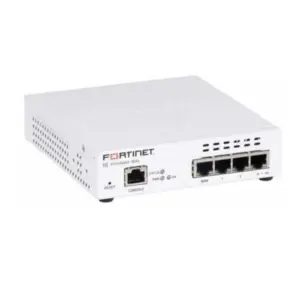
1 × dedicated GbE WAN and 4 × dedicated GbE LAN
1 × 802.3at PoE+ Gigabit LAN port
Dual-band 2×2 Wi-Fi 6 with two spatial streams
Built-in Cat 12 LTE modem with two external LTE antennas; carrier validation required
Cisco Meraki Dashboard
Cisco documents a recommended use case of up to 15 devices
Contact FourTeck for current hardware, licence and destination options
Cisco documents lifetime Z4C hardware warranty and separate accessory coverage; confirm purchased entitlement and RMA terms
Product Overview
A remote employee may have a fast broadband connection and still be difficult for corporate IT to support. Consumer routers vary widely in security controls, address ranges, wireless configuration, diagnostics and firmware behaviour. When business-critical applications, corporate voice, private network access and several managed endpoints depend on that connection, organisations often need a clearer boundary between the employee’s household network and the company environment. The Z4C is designed for that boundary. Rather than treating a home office as an unmanaged internet location, it creates a compact, centrally administered network edge that can participate in the organisation’s wider Meraki operating model.
The platform combines routing, Layer 3 and Layer 7 stateful firewall functions, Meraki Auto VPN and IPsec VPN endpoint capabilities, configurable VLANs, DHCP, static routing, traffic shaping, historical client information, NetFlow, syslog integration and remote packet capture tools. On the hardware side, it provides a dedicated Gigabit Ethernet WAN port, four Gigabit Ethernet LAN ports, one PoE+ LAN connection and integrated dual-band Wi-Fi 6. The cellular variant adds an embedded Cat 12 LTE modem with external antennas so the organisation can design a secondary cellular path without placing a separate cellular gateway beside every teleworker device.
That cellular capability should be planned carefully. It does not mean every SIM, carrier or service plan will work automatically in every country. The modem’s supported bands, local carrier requirements, SIM activation, data plan, APN settings, signal quality and intended failover behaviour must be checked for the deployment destination. A business that needs cellular continuity for an executive home office has a different risk profile from a small project room where LTE is merely an optional backup. FourTeck therefore treats the cellular component as a design item rather than a generic feature badge.
For buyers across Africa, the useful procurement question is not simply whether Z4C-HW can be sourced. It is whether the complete requirement is correct: hardware, licence term, corporate VPN topology, addressing, security policy, power cord, possible UPS, PoE endpoint, cellular service responsibility and rollout process. FourTeck can review these dependencies before preparing a quotation. This helps procurement teams compare the actual deployment package rather than purchasing an appliance first and discovering later that licences, accessories, carrier validation or central network changes were not included.
Key Business Benefits
The value of a teleworker gateway comes from making a small off-site network more predictable to the business. The following benefits connect the platform’s technical functions to operational outcomes that matter to IT teams, procurement departments and managers responsible for distributed users.
◆ Central Visibility
Dashboard-based management gives authorised IT staff a consistent view of supported gateways, clients, uplink condition, configuration and troubleshooting information. That can reduce reliance on remote employees describing router lights, changing local settings or acting as informal network technicians when an issue occurs.
🔒 Controlled Security Policy
Stateful firewalling, VLANs, traffic policy and appropriate licensed functions allow the organisation to apply a more deliberate remote-network design. The business can separate corporate endpoints from unrelated local equipment and create clearer rules around what reaches private resources.
↗ Secure Corporate Connectivity
Meraki Auto VPN and supported IPsec capabilities can make the teleworker network part of an approved site-to-site design. This is useful when several corporate devices, a phone or local business services need persistent reachability rather than a single laptop establishing an individual remote-access session.
● Cellular Resilience Option
Integrated Cat 12 LTE lets organisations design a secondary uplink without adding another cellular appliance. The business still needs a compatible carrier, active SIM, suitable signal and a tested failover plan, but the hardware simplifies the physical architecture for selected remote locations.
⚙ Repeatable Deployment
Cloud management supports standard configurations across many small sites. When naming, addressing, licences, user assignment, templates and asset records are planned correctly, organisations can create a repeatable onboarding process while still documenting justified exceptions.
✓ Wired, Wireless and PoE in One Device
Four Gigabit LAN ports, Wi-Fi 6 and one PoE+ port can support laptops, printers, a compatible corporate phone and other endpoints in a compact workspace. Straightforward sites may avoid a separate switch or access point, reducing physical complexity while keeping business devices under a managed network edge.
These benefits are strongest when the gateway is matched to a teleworker-scale requirement. A location that grows into a branch with many users, several access points, multiple PoE devices, heavier VPN traffic or stronger availability requirements may need a larger security and SD-WAN platform. FourTeck can help determine when the compact form factor remains appropriate and when the site should be redesigned rather than stretched beyond its intended role.
Product Highlights
The Z4C is unusual because it combines several functions that are normally purchased separately for a small site. Its strength is not any single number; it is the way routing, security, VPN, local Ethernet, wireless and cellular are presented through one cloud-managed operating model. Buyers can use the following highlights as a shortlist, then validate each item against the actual deployment.
Cisco documents up to 500 Mbps maximum stateful firewall throughput in NAT mode. Real application performance depends on traffic mix, enabled functions, internet service and deployment conditions.
Cisco documents up to 250 Mbps maximum VPN throughput. Central VPN capacity, tunnel design and aggregate traffic from all remote sites must also be considered.
The embedded cellular modem and two external LTE antennas support a planned backup path. Carrier compatibility and service arrangements remain a separate project responsibility.
Integrated 802.11ax wireless with two spatial streams gives compact sites modern local wireless access. Placement, building materials and interference still determine the user experience.
One Gigabit LAN port supports 802.3at PoE+, useful for a compatible desk phone or powered endpoint where the site does not need a larger PoE switch.
Historical client data, syslog, NetFlow and packet capture capabilities can help IT teams investigate remote-site issues without immediately dispatching a technician.
Cisco recommends the platform for up to 15 devices. That figure is a design reference rather than a promise that every 15-device workload will fit equally well. A few endpoints moving large encrypted files may stress a connection more than a larger number of light-use clients. The site should therefore be sized around applications, bandwidth, security policy, VPN traffic and continuity expectations, not endpoint count alone.
Technical Specifications
| Specification | Cisco Meraki Z4C Detail | Buyer Note |
|---|---|---|
| Brand | Cisco Meraki | Confirm part number and licence on quotation. |
| Model / SKU | Z4C / Z4C-HW | Hardware line item; licence is a separate lifecycle requirement. |
| Product Role | Teleworker firewall, VPN gateway and router | Best suited to home workers and compact remote sites, not every branch workload. |
| Wired WAN | 1 × dedicated 1 GbE RJ45 | Confirm Ethernet handoff from modem, ONT or upstream circuit. |
| Cellular WAN | Built-in Cat 12 LTE modem; two external LTE antennas | Carrier, bands, SIM, APN and data service must be validated for destination. |
| LAN | 4 × dedicated 1 GbE RJ45 | A site needing many wired devices may require a separate switch. |
| PoE | 1 × GbE LAN port with 802.3at PoE+ | Useful for one compatible powered endpoint; verify power needs. |
| Wireless | Dual-band 2×2 Wi-Fi 6, 802.11a/b/g/n/ac/ax, two spatial streams | Coverage and throughput depend on RF environment and client capability. |
| Maximum Radio Data Rate | 1.5 Gbps chipset capability | Not equivalent to guaranteed internet or application throughput. |
| Stateful Firewall Throughput | Up to 500 Mbps in NAT mode | Use as a sizing reference, not a service guarantee. |
| Maximum VPN Throughput | 250 Mbps | Central VPN hub and aggregate remote-site demand also matter. |
| Security Throughput Reference | 300 Mbps | Actual result varies with features, traffic and licence capability. |
| Recommended Use Case | Up to 15 devices | Application demand can become the limit before device count. |
| Management | Cisco Meraki Dashboard | Define organisation ownership, admin roles and licence responsibility. |
| Network Functions | L3/L7 stateful firewall, NAT, VLANs, DHCP, static routing, Auto VPN, IPsec endpoint, traffic shaping, IPv6, 802.1X support | Feature availability can depend on software and licence context. |
| Mounting | Desktop or wall mount | Place for ventilation, wireless coverage and antenna clearance. |
| Dimensions | 200 × 112 × 26 mm | Compact enough for most teleworker desks or wall positions. |
| Weight | 0.487 kg | Plan secure placement where cables will not strain the unit. |
| Power | 50W DC supply; documented 15W idle / 46W maximum load | Confirm regional power cord and UPS requirement. |
| Operating Environment | 0°C to 45°C; 5% to 95% humidity | Use indoors within documented environmental limits. |
| Hardware Warranty | Cisco documents lifetime coverage for Z4C hardware; accessories have separate coverage | Confirm entitlement, RMA process and supply-route terms on quotation. |
The table should be used as an engineering starting point. Begin with the primary WAN service and ask whether its real throughput, latency and stability suit the user’s applications. Then estimate how much traffic will traverse VPN tunnels and whether the central hub can accept the combined load from all remote gateways. Wireless users should be counted separately from the physical LAN ports, because a site with only two wired devices may still have several laptops, phones or tablets using Wi-Fi. The 1.5 Gbps radio figure is a chipset data-rate reference, not an internet-speed promise.
The cellular design deserves a second checklist. Confirm nano-SIM responsibility, carrier bands, local certification expectations, APN settings, signal at the intended placement and the data plan’s commercial limits. If the business depends on failover, test the transition before rollout rather than assuming that a detected SIM equals a resilient service. Finally, select the appropriate Meraki licence and term, regional power cable, possible UPS and any powered endpoint. These items can change the real project cost more than the hardware headline suggests.
Configuration and Buyer Guidance
The most reliable way to select a teleworker gateway is to describe the site before discussing the appliance. Start with the person or team that depends on it. An executive home office using video meetings, cloud storage and a corporate desk phone has different priorities from a three-person project office using ERP, remote desktop and a shared printer. Record the number of users, total business devices, applications, expected internet speed and how much traffic must cross the corporate VPN. This tells the buyer whether the Z4C’s teleworker scale is appropriate or whether the location is already behaving like a branch.
1. Define the Workload
List video conferencing, VoIP, virtual desktops, cloud storage, ERP, CRM, file transfers, private applications and any traffic that must remain available during a wired WAN failure.
2. Map the Network
Document corporate subnets, DNS, authentication, VLAN requirements, VPN peers and the existing home router or modem. Address overlap and double NAT can create problems if ignored.
3. Validate Cellular
Identify the intended carrier, SIM owner, data plan, local radio conditions, APN requirements and the business expectation for failover. Cellular should be tested, not assumed.
4. Confirm Physical Needs
Check the power cord, wall or desk placement, Ethernet cabling, antenna clearance, PoE endpoint, ventilation and whether a UPS should protect both the gateway and the upstream modem.
Licensing should be handled in the same purchase discussion as hardware. Procurement teams should know the required edition, subscription duration, renewal owner and Dashboard organisation before the device is issued. For larger rollouts, establish standard user profiles and a process for exceptions. One group may need only wired WAN and ordinary teleworker access, another may require LTE failover, and a third may have grown beyond Z-Series scale. FourTeck can help structure these profiles so the bill of materials reflects the actual population instead of forcing every user into the same package.
Ideal Business Use Cases
A Z-Series teleworker gateway is most useful where a location is too important to leave entirely on an unmanaged consumer network but too small to justify a conventional branch stack. The cellular model adds value when the business has a defined reason to maintain a secondary path. The following scenarios show where that balance can make sense.
Executive Home Offices
Senior staff may depend on secure access to finance, management applications, video meetings and corporate voice. A managed gateway provides a clearer support boundary, while LTE can form part of a continuity plan when the role justifies a second uplink.
Remote Professional Teams
Finance, legal, engineering, consulting and technical staff working from home can benefit when several business devices need consistent VPN, wireless and policy rather than relying on endpoint software alone.
Compact Project Offices
Temporary or small project teams may need secure routing, private application access, a printer, local Wi-Fi and a corporate phone without deploying a full rack. Confirm that user and bandwidth requirements remain within teleworker scale.
Business Continuity Work Locations
Organisations may designate selected home offices or alternate work locations for continuity. A managed gateway can help standardise network access, but the continuity plan must also include power, upstream internet, cellular service and central systems.
Distributed Administrative Sites
A very small administrative or service location can use the gateway where four LAN ports, Wi-Fi 6, one PoE endpoint and VPN meet the need. Sites with heavier local infrastructure should be evaluated as branches instead.
Managed Remote Voice
The PoE+ LAN port can simplify a compatible IP-phone deployment. Voice quality still depends on latency, packet loss, available upstream bandwidth and call-platform design, so traffic shaping cannot replace a suitable WAN service.
Not every remote employee needs dedicated networking hardware. A user with one managed laptop and straightforward cloud access may be better served by endpoint-based secure access. The Z4C becomes more compelling when the business wants a persistent managed network segment, several corporate devices, a desk phone, central policy and a defined cellular fallback. FourTeck can help buyers distinguish those cases so the hardware is reserved for roles where it provides clear operational value.
Cisco Meraki Z4C + Cellular Failover Planning
The integrated LTE modem is the defining difference between this model and a teleworker gateway that depends only on a wired uplink. In practical terms, it allows the gateway to maintain a configured cellular option inside the same hardware footprint. For an executive, remote support engineer or compact site that loses significant productivity when fixed internet fails, this can simplify resilience planning. The technical benefit, however, only becomes business resilience when the mobile service has been validated at the location.
Start with carrier compatibility. The modem supports a wide set of LTE bands, but local network acceptance and service behaviour can depend on the carrier. Procurement teams should identify the intended provider, confirm that the device can be used on that network, arrange a suitable nano-SIM and data plan, and record any APN settings. Signal should be checked where the gateway will actually be placed. A good signal near a window does not guarantee the same result inside a cabinet or behind equipment. The two external LTE antennas need appropriate clearance.
The failover policy should then be tested using the applications that matter. A tunnel may rebuild quickly while a voice call, remote desktop or cloud session behaves differently. Data-plan limits also deserve attention because large software updates or cloud backups can consume substantial mobile data after failover. The best business design defines what should continue, how long cellular service is expected to carry the site, who monitors usage and how the primary circuit is restored. FourTeck can help ensure these questions are included in the quotation and deployment brief rather than leaving the LTE feature as an untested assumption.
Cisco Meraki Z4C + Cloud Management and Remote Support
Distributed networking becomes expensive when every small site behaves differently. A central IT team may know the corporate firewall well but have little control over the modem, consumer router, local Wi-Fi and addressing in an employee’s home. Meraki Dashboard management gives supported Z-Series gateways a common operating environment for configuration, connectivity status, clients, firmware and troubleshooting. That consistency is especially valuable when dozens or hundreds of remote locations need to follow a standard policy.
The management model supports repeatable deployment, but process design still matters. Organisations should establish naming conventions, subnet allocation, user ownership, licence records, admin roles and device-return procedures before the rollout expands. A gateway that moves from one employee to another should not become an undocumented exception. Likewise, central administrators should know who owns licence renewal and what happens if a device is removed from service. These operational controls prevent a technically simple deployment from becoming a lifecycle problem.
Remote diagnostics can also improve support quality. Historical client statistics, syslog integration, NetFlow and packet-capture tools can provide evidence when an application problem is reported. They do not eliminate the complexity of the user’s internet provider or home environment, but they give IT a better starting point than a generic complaint such as “the VPN is slow.” Teams can compare wired and wireless behaviour, examine uplink condition and separate local network symptoms from central application issues. For Africa projects with distributed users, FourTeck can help buyers consider these management and support workflows alongside the hardware order.
Cisco Meraki Z4C + Secure VPN, Segmentation and Traffic Control
A teleworker gateway should not be treated as a simple tunnel box. The remote site still needs an addressing plan, firewall policy, DNS behaviour, identity approach and decisions about which traffic belongs on the corporate VPN. Meraki Auto VPN can simplify connectivity in a compatible Meraki environment, while IPsec functions can form part of selected third-party designs. The architecture must still avoid overlapping subnets and make sure the central network has enough capacity for the combined traffic generated by all remote locations.
VLAN and DHCP capabilities help the organisation create a cleaner separation between corporate devices and other equipment at the remote location. This is important in home environments where personal phones, smart televisions, game systems, cameras and guest devices may share the same upstream internet service. A dedicated business segment does not remove every risk, but it gives IT a controllable boundary for supported endpoints and makes troubleshooting more predictable.
Traffic shaping adds another layer of control when voice, video or business applications need prioritisation. Buyers should remember that shaping allocates available bandwidth; it cannot create capacity that the ISP does not provide or repair severe packet loss. When several teleworker sites use full-tunnel VPN, the central internet and security stack may become the bottleneck even if each remote gateway has spare capacity. A good design therefore sizes both ends. FourTeck can help procurement teams gather remote-site bandwidth, VPN routing and application information so the quotation supports the larger network rather than focusing on the edge device alone.
What Buyers Should Check Before Purchase
Before requesting a quote, decide whether the proposed location is genuinely a teleworker site. A compact room with one user can still have demanding requirements if it carries large encrypted transfers, continuous voice, virtual desktops or business-critical sessions. Conversely, a site with several low-use devices may remain comfortably within teleworker scale. Share the workload, not only the headcount. The quotation should also distinguish between the wired WAN service and the cellular backup expectation so each path can be assessed properly.
Configuration Fit
Confirm device count, primary WAN speed, expected VPN traffic, Wi-Fi coverage area, LAN ports, PoE requirements, VLANs and whether the site may need branch-class expansion later.
Compatibility Check
Document the central Meraki MX or third-party VPN peer, private subnets, DNS, authentication, ISP handoff, home-router behaviour and any business phone or endpoint dependencies.
Cellular and Lifecycle
Identify carrier, SIM, APN, data plan, signal conditions, Meraki licence term, renewal owner, power cord, UPS needs and expected replacement process before rollout.
Quote Preparation
Provide quantity, destinations, preferred licence duration, user profiles, internet speeds, central platform, staging needs, rollout window and acceptable alternatives if project timing changes.
Accessories can appear minor but are common sources of deployment delay. Cisco’s Z4C documentation lists a 50W adapter and regional AC power-cord options. Confirm the correct cord for the destination, whether the site needs extra Ethernet cables, and whether one PoE+ port is enough. If several powered devices are required, include a suitable PoE switch instead of assuming the gateway can power all of them. For large orders, define whether devices need labelling, grouping by user or destination, Dashboard preparation or staged delivery. This makes the commercial request clearer and reduces the chance of missing components after equipment arrives.
Practical Questions Business Buyers Ask Before Choosing Z4C
Business buyers often arrive with a model number but still need to decide whether the hardware, cellular plan, licence and central network design fit the operating requirement. The questions below address the issues that normally affect a real deployment: workload, compatibility, VPN architecture, Wi-Fi, LTE, accessories, lifecycle and quotation preparation.
What type of business user is this gateway designed for?
It is designed for teleworkers and compact remote locations that need a managed firewall, VPN gateway, router, wired ports and Wi-Fi in one device. Cisco recommends the Z4C for up to 15 devices. It is most useful when the organisation wants central policy and troubleshooting rather than leaving the location entirely on an unmanaged consumer router.
How do I know whether the site is too large for a teleworker gateway?
Look beyond office size. If the location has many users, several access points, multiple PoE endpoints, heavy site-to-site VPN traffic, complex segmentation or strong branch-resilience requirements, a larger security and SD-WAN appliance may be more appropriate. A small room can still be a branch from a network-design perspective if the workload and business dependency are high.
Will the integrated LTE modem work with any African carrier?
Do not assume universal compatibility. The modem supports many LTE bands, but local carrier acceptance, network bands, SIM activation, data plans and APN requirements can vary. Confirm the intended provider for the destination and test service at the actual installation location. A carrier path should be treated as validated only after the device, SIM and network have been checked together.
Is cellular intended as the main internet connection or as failover?
The integrated LTE function is especially useful as a secondary uplink for a wired primary connection. The business should define the intended operating mode, what applications must continue during failover, acceptable mobile-data usage and how long the site is expected to run on cellular. Those decisions influence data-plan sizing, testing and support expectations.
Can the gateway connect a remote office directly to headquarters?
Yes, the platform supports Meraki Auto VPN and IPsec VPN endpoint functions. The exact topology depends on the head-office platform, private addressing, DNS, security policy, routing and authentication. The central firewall or VPN hub must also be sized for the total traffic created by all remote sites, not only one gateway.
What should I compare with my current home or branch router?
Compare management, VPN design, firewall policy, VLANs, diagnostics, Wi-Fi capability, LAN ports, PoE needs, cellular resilience and licence lifecycle. The objective is not simply to replace one router with another. It is to decide whether a centrally managed business edge solves operational problems that the current device leaves to the user or local technician.
How should I interpret the 500 Mbps firewall figure?
Treat it as a maximum platform reference for stateful firewall throughput in NAT mode, not a guarantee of user application speed. Internet quality, VPN use, security functions, traffic mix, wireless conditions and upstream devices affect the real result. If the primary circuit is near the platform limit or expected to grow, leave engineering headroom rather than sizing to the headline number.
Will Wi-Fi 6 remove the need for placement planning?
No. Wi-Fi 6 improves the radio platform, but walls, metal furniture, distance, interference and client capability still affect coverage. Place the gateway where it can serve business devices and maintain ventilation, while also considering LTE antenna position. A site with a larger floor area or difficult construction may need a separate access-point design.
Can the PoE+ port power a corporate IP phone?
It can power a compatible 802.3at endpoint where the device’s requirement is within the supported PoE+ output. Confirm the phone model and power class before ordering. If the site needs several PoE phones, access points or cameras, include a proper PoE switch rather than treating the single powered port as a multi-device power system.
What licence information should procurement confirm?
Confirm the applicable Meraki licence edition, subscription term, renewal owner, Dashboard organisation and support expectations at the time of hardware purchase. Licence requirements are part of the operating model, not a later accessory. A quote that lists hardware without the required lifecycle items can make the initial purchase look simpler than the actual deployment.
What should be checked when replacing an older teleworker model?
Review more than the hardware form factor. Confirm current licence compatibility, Dashboard network assignment, VPN addressing, templates, port requirements, Wi-Fi expectations, power accessories and whether the old site profile still reflects the user’s workload. Replacement is a good opportunity to identify locations that have quietly grown into small branches and need a different platform.
What information should I send FourTeck for an accurate quote?
Provide quantity, destinations, user and device counts, primary internet speeds, applications, expected VPN traffic, head-office firewall or Meraki MX details, required licence duration, cellular provider preference, PoE endpoint needs, power-cord type, UPS requirement, staging expectations and rollout timing. This lets the commercial request cover the complete working requirement rather than a single SKU.
How the Z4C Fits Common Business Requirements
Some buyers begin with a technical model number, while others begin with a business problem such as unreliable remote connectivity, inconsistent home routers, difficult VPN support or a need for a cellular backup path. The cards below connect those broader requirements to the questions that determine whether this gateway is the right fit.
Managed Remote-Work Network
Choose a teleworker gateway when the business wants a persistent managed network at the employee location rather than relying only on a laptop VPN. The gateway becomes the policy and connectivity boundary for approved business devices.
Connectivity Resilience
The cellular model is relevant when losing the wired WAN has a clear business impact. A proper resilience plan includes compatible mobile service, tested signal, data allowance, application behaviour and power continuity.
Compatibility with Existing Meraki
Organisations already using Meraki can evaluate the Z4C as part of the same Dashboard and Auto VPN environment. Addressing, hub capacity, licence ownership and template strategy should be reviewed before adding many remote sites.
Small Site Consolidation
Four LAN ports, Wi-Fi 6, firewalling, VPN and one PoE+ port can reduce equipment count in a straightforward location. The site should be reassessed if switching, wireless or PoE requirements expand.
Replacement and Refresh
When replacing an older remote gateway, compare current workload and policy rather than performing a like-for-like swap automatically. New applications, more devices or higher internet speeds may change the appropriate platform.
Quote Preparation
A strong quotation request contains enough detail to identify hardware, licence, power accessory, cellular responsibility and deployment scope. This avoids comparing incomplete hardware-only prices with full working solutions.
The broader lesson is that product fit is determined by the network role. Businesses looking for a secure home-office router, managed VPN endpoint, compact SD-WAN edge or cellular-failover teleworker device may all discover the Z4C during research, yet each requirement emphasises different checks. FourTeck can help translate the original problem into a product and licence shortlist, including related Meraki options where the site has outgrown teleworker scale or where a separate cellular gateway better suits the architecture.
Africa Availability and Service Support
FourTeck supports Africa-focused Cisco Meraki teleworker enquiries by helping buyers convert a remote-connectivity requirement into a defined bill of materials. A request can begin with Z4C-HW, but the commercial discussion should also cover the appropriate licence, quantity, regional power cord, cellular service responsibility, possible UPS requirement, compatible PoE endpoint and the central network environment. For projects involving many remote workers, a site schedule makes it easier to distinguish a standard configuration from approved exceptions.
Availability varies with hardware model, licence term, quantity, supplier status, destination and project timing. Delivery coordination is therefore handled against the actual quotation rather than a permanent stock statement. The same principle applies to warranty guidance. Cisco documents lifetime hardware coverage for the Z4C, while accessories have separate coverage, but practical entitlement, RMA procedure and purchased terms should be reviewed for the specific supply route.
FourTeck can also help buyers evaluate alternatives if the site profile changes. A standard Z4 may be sufficient where integrated cellular is not required, while a larger Meraki security appliance may suit a location that has become a branch. A separate cellular gateway may fit architectures where the cellular radio should be placed independently of the firewall. For current product options, configuration review and a project-specific quotation, use the FourTeck Africa contact page.
Africa Country and Regional Coverage
A multi-country teleworker programme should be planned as one business architecture with local site details captured before procurement. FourTeck can help Africa buyers review technical fit, licence requirements, compatible accessories, VPN topology, power considerations, cellular responsibilities and commercial scope so remote locations are grouped into sensible standard configurations. This matters when a single organisation has executives, professional staff, project teams and very small administrative sites, because those users can have different bandwidth, voice and continuity requirements even when they all work away from the main office.
Suitable configuration, accessories, licence duration, support scope and delivery arrangements can vary by quantity, supplier status, destination and project stage. Cellular designs also require local review because carrier bands, SIM service, signal conditions and data plans are not identical across markets. Rather than presenting a generic LTE feature as a guarantee, the project should identify the provider and intended operating mode for each deployment group.
Tanzania, Libya and Seychelles are discussed separately below because their buyer environments can lead to different planning priorities. The objective is still one Africa-focused product page, not a collection of duplicated location pages. Procurement teams can use the regional guidance to prepare a better site schedule, then contact FourTeck for current hardware, licence and delivery options based on the actual project.
Cisco Meraki Z4C Cellular Teleworker Gateway in Tanzania
For enterprises, public-sector organisations, schools, healthcare environments, financial institutions, system integrators, resellers and growing companies evaluating the Cisco Meraki Z4C Cellular Teleworker Gateway in Tanzania, the best purchasing brief starts with the remote user or compact site rather than a generic router requirement. A home-based executive may need secure access to private systems, corporate voice, video meetings and cloud applications, while a small project team may use shared printing, several wired devices and a persistent VPN tunnel. Those differences affect bandwidth sizing, port requirements, wireless expectations and whether the location remains within teleworker scale. Infrastructure planning should record the available Ethernet handoff from the ISP equipment, expected internet speed, VPN destination, private addressing, DNS and authentication dependencies. Where cellular failover is part of the design, the intended mobile provider, SIM ownership, supported service, data plan and signal at the installation point should be validated before the backup path is relied upon. Power continuity can also be relevant for critical users, so the gateway, modem or ONT and any corporate phone may need a suitably sized UPS if short-duration resilience is required. Organisations already operating Meraki at headquarters should review Auto VPN topology, central hub capacity, Dashboard ownership and subnet standards before remote devices are issued. A larger rollout benefits from user profiles, asset labels, licence records and a clear process for reassignment or return. FourTeck can assist with model and licence review, compatible accessories, quotation preparation, delivery coordination and warranty guidance. A useful Tanzania request should include quantity, destinations, preferred licence duration, internet speeds, cellular requirement, central platform, rollout period and any staging need so the commercial response reflects the real deployment rather than only the hardware name.
Cisco Meraki Z4C Cellular Teleworker Gateway in Libya
A project using the Cisco Meraki Z4C Cellular Teleworker Gateway in Libya should be framed around controlled connectivity and operational continuity, with each technical dependency made explicit before procurement. The purchasing team can begin by identifying which remote staff or very small sites genuinely need a dedicated managed gateway and which users can be supported through endpoint-based secure access. For locations selected for Z4C deployment, document the primary Ethernet service, expected number of wired and wireless devices, business applications, VPN destinations, voice requirements and the amount of traffic expected to cross the corporate tunnel. Compatibility becomes especially important where headquarters uses a third-party firewall, multiple private subnets or an established IPsec design; addressing overlap, DNS, authentication and routing should be reviewed before hardware is assigned. The integrated LTE function should be planned as a separate service component rather than assumed to work automatically. Carrier acceptance, SIM responsibility, supported bands, APN information, data allowance and intended failover policy all need confirmation for the chosen location. Project planners should also separate the bill of materials into hardware, Meraki licence, power cord, cabling, any UPS equipment, PoE endpoint and support scope so lifecycle cost remains visible. For a larger rollout, a representative pilot can be useful to validate VPN reachability, application behaviour, cellular failover, remote troubleshooting and user support procedures before deployment is expanded. FourTeck can help structure the requirement, identify current product and licence options, prepare a quotation, coordinate delivery planning and provide warranty information tied to the selected supply route. Quantities, destinations and project timing should be confirmed on the actual commercial request rather than inferred from a general product listing.
Cisco Meraki Z4C Cellular Teleworker Gateway in Seychelles
Cisco Meraki Z4C Cellular Teleworker Gateway in Seychelles can be considered by hospitality groups, professional-services firms, government departments, education, healthcare, financial services, retail organisations and growing small or mid-sized businesses that need manageable connectivity for selected remote workers or compact distributed sites. In an island-market operating pattern, a lean IT team may support users across several workplaces, so central visibility and a compact all-in-one design can be valuable. The Z4C brings firewall, VPN, four Gigabit LAN ports, Wi-Fi 6, one PoE+ connection and LTE capability into one desktop or wall-mountable device, which can reduce equipment count for straightforward locations. Buyers should still begin with the site profile: available internet bandwidth, modem or ONT handoff, number of corporate devices, wireless area, cloud-application usage, voice requirement and business impact of a wired WAN interruption. Space planning is simple, but placement should provide ventilation, useful Wi-Fi coverage and suitable LTE antenna conditions. If cellular failover is required, the local carrier, SIM, data plan and signal should be checked rather than assumed from the modem specification. Power efficiency is helpful in a compact network edge, yet continuity planning should consider the gateway and upstream internet equipment together; a UPS only protects the network if the devices required for service are included. Hospitality and professional-services users may rely heavily on video meetings and cloud platforms, while administrative teams may need persistent access to private systems, so VPN routing and traffic policy can differ between user groups. FourTeck can review hardware, licence term, accessories, central VPN compatibility, delivery planning and warranty guidance so a Seychelles quotation is based on long-term operational needs rather than a standalone hardware purchase.
Other Options Buyers May Consider
The right alternative depends on why the Z4C attracted attention in the first place. Some buyers primarily need managed remote work, others need stronger branch capacity, and others need cellular connectivity that can be positioned independently. The related FourTeck resources below help buyers explore those adjacent requirements without forcing every small site into the same design.
Cisco Meraki Z4 Series
Review the broader Z4 family when deciding between the standard teleworker model and the cellular variant.
Meraki Work from Home Solutions
Useful for organisations planning a fleet of teleworker gateways, licences, policies and remote-user profiles rather than one appliance.
Cisco Meraki MG52
A separate cloud-managed 5G/LTE gateway can suit WAN designs where cellular positioning and the downstream firewall should be independent.
Meraki Cloud-Managed Network
Review the wider Meraki operating model across security, SD-WAN, switching and wireless when the requirement extends beyond telework.
Meraki Technical Support
Useful when the project also needs assistance defining support scope, Dashboard administration or configuration review.
Network Firewall Solutions
A larger remote location may need a branch-class firewall with more interfaces, capacity or resilience than a teleworker gateway provides.
A related model should be chosen by network role. If integrated cellular is unnecessary, the standard Z4 may remove complexity. If the location has become a branch, an MX-class design may provide the throughput, port density and resilience expected of that role. If cellular signal needs to be positioned away from the firewall, a separate MG gateway can make the physical design more flexible. FourTeck can help buyers compare these directions around applications, user count, VPN traffic, site criticality and the existing Meraki environment.
Why Buyers Choose FourTeck
Business networking purchases often fail at the boundary between a familiar model name and the wider requirement. A buyer may know that Z4C-HW is needed but not which licence term applies, whether the head-office VPN design is ready, which power cord is correct, whether the intended mobile carrier is compatible, or whether the site has grown beyond a teleworker profile. FourTeck approaches the request as a configuration and procurement exercise so IT, commercial and project teams can work from the same bill of materials.
Configuration Guidance
Licence Planning
Africa Delivery Coordination
Warranty Guidance
The review can include user and device count, primary internet bandwidth, VPN expectations, central Meraki or third-party infrastructure, wireless needs, PoE endpoints, cellular provider, licence duration, power protection and deployment scope. For multi-site or bulk orders, a customer-provided location schedule helps distinguish standard configurations from exceptions and makes quantities easier to manage. This reduces the chance of missing licences, unsuitable accessories or hardware being assigned to a site whose requirements have changed.
Support is presented carefully. Availability, delivery timing, warranty processing and commercial terms depend on the exact product, entitlement, quantity, supplier status, destination and project scope. FourTeck does not need to rely on permanent-stock or guaranteed-delivery claims to be useful. Buyers receive more value when the quotation reflects the operating environment and responsibilities are clear before approval. For broader platform planning, visit FourTeck IT Solutions Africa or contact the sales team with a project-specific requirement.
Frequently Asked Questions
What is the Meraki Z4C used for?
It is a cloud-managed teleworker firewall, VPN gateway and router for remote workers and compact business sites. It combines wired WAN, four Gigabit LAN ports, Wi-Fi 6, one PoE+ LAN port and integrated LTE. Businesses use it when they want a small off-site network to follow central policy and VPN design rather than relying entirely on an unmanaged local router.
How many devices is the Z4C intended to support?
Cisco documents a recommended use case of up to 15 devices. Treat that as a sizing reference rather than a guarantee for every 15-device workload. VPN demand, application traffic, wireless conditions, enabled functions and the quality of the primary internet connection can make a smaller site more demanding than the endpoint count suggests.
Does the Z4C include cellular failover?
The hardware includes a Cat 12 LTE modem and external LTE antennas, allowing cellular to be designed as a backup uplink. A working failover service still depends on a compatible carrier, active SIM, suitable data plan, APN configuration where required and adequate signal at the deployment location. Businesses should test failover using their important applications before depending on it.
Does the gateway need a Meraki licence?
Meraki licensing is part of the platform lifecycle and should be selected with the hardware. The required edition and term depend on the chosen operating model and features. Procurement teams should record licence duration, renewal ownership, Dashboard organisation and support expectations so the commercial comparison includes the complete deployment rather than hardware cost alone.
Can FourTeck help verify the correct configuration?
Yes. FourTeck can review user and device count, internet bandwidth, VPN traffic, central firewall or Meraki MX details, Wi-Fi coverage, LAN and PoE needs, cellular requirements, licence term, power accessories and delivery destination. The aim is to prepare a bill of materials that matches the site role instead of selecting the gateway only by model name.
Is the Z4C available for Africa projects?
FourTeck supports Africa-focused enquiries for Cisco Meraki teleworker hardware, licensing and related project requirements. Current availability depends on the exact part number, licence term, quantity, supplier status, destination and project timing. Buyers should request confirmation for the final bill of materials rather than relying on a permanent stock statement.
What warranty guidance applies to the Z4C?
Cisco’s current documentation lists lifetime warranty coverage for Z4C hardware and separate coverage for accessories. Practical entitlement, replacement procedure, packaging requirements and return terms should still be confirmed against the purchased hardware and supply route. FourTeck can include warranty guidance during quotation preparation so buyers know which terms apply to the proposed equipment.
When should a buyer choose a larger branch firewall instead?
Consider a branch-class platform when the location has more users, higher VPN demand, multiple access points, several PoE devices, more complex switching, stronger resilience requirements or a need for greater throughput and interface flexibility. Site classification should follow business dependency and workload, not physical office size alone. FourTeck can help compare the site profile before a product family is selected.
Can businesses request bulk or multi-site supply?
Yes. For a multi-site requirement, provide quantities, destinations, user profiles, internet speeds, central VPN platform, licence duration, cellular needs, PoE devices, power accessories, staging expectations and rollout timing. A structured site schedule helps separate standard remote-worker bundles from exceptions and gives FourTeck better information for product, licence and delivery planning.
Need Help Choosing the Right Teleworker Gateway?
Share your number of remote sites, user profile, internet speeds, central VPN platform, cellular requirement, licence preference, device needs and delivery destinations. FourTeck can help review Z4C configuration fit, licensing, accessories, warranty guidance and Africa delivery requirements before you approve a purchase.
Reviews
There are no reviews yet.