
FortiAnalyzer FAZ-810G Log Appliance in Africa
Built for organizations that need more than scattered device logs, this centralized platform brings security event collection, analysis, reporting, investigation, and operational visibility into a dedicated 1RU appliance. It is positioned for established security teams, multi-site enterprises, regulated environments, managed service operations, and growing Fortinet deployments that need predictable log handling and clearer control over retention. FourTeck helps buyers match the appliance to daily log volume, device count, storage expectations, support term, rack design, and deployment scope before purchase.
✓ 16 TB Storage Platform
✓ Hardware RAID and Hot-Swap Drives
✓ Africa Quote and Delivery Guidance
Request Quote
Check Africa Availability
Quick Product Information
Fortinet
FAZ-810G
Centralized log and analysis appliance
Enterprise SOC, compliance, multi-site and service-provider environments
Log collection, analytics, reporting, investigation and retention
Contact FourTeck for current options
Configuration, quote, delivery and warranty guidance
Service bundles, support term and redundancy choices are configuration dependent
Product Overview
Security infrastructure produces a continuous stream of information. Firewalls, secure gateways, endpoint platforms, switches, wireless systems, applications, authentication services, and other connected technologies can all generate events that matter during an incident, an audit, or a performance investigation. When logs remain spread across individual devices, administrators can lose time moving between interfaces, exporting files, comparing timestamps, and trying to understand whether separate alerts are part of one larger event. A centralized analysis appliance addresses this problem by giving security and operations teams a structured place to receive, organize, examine, report on, and retain event data.
The Fortinet FortiAnalyzer FAZ-810G is designed for organizations that have moved beyond small-site logging requirements but do not yet need the largest multi-rack analytics platforms. Its capacity profile supports up to 200 GB of logs per day, with an analytic sustained rate of 4,000 logs per second and a collector sustained rate of 6,000 logs per second. It can manage up to 800 devices or virtual domains and provides a published maximum analytics window of 50 days when receiving logs continuously at the sustained analytics rate. Actual retention can be longer when average log volume is lower, and practical retention planning should also consider log type, indexing, reporting scope, archive policy, and the amount of usable storage after RAID.
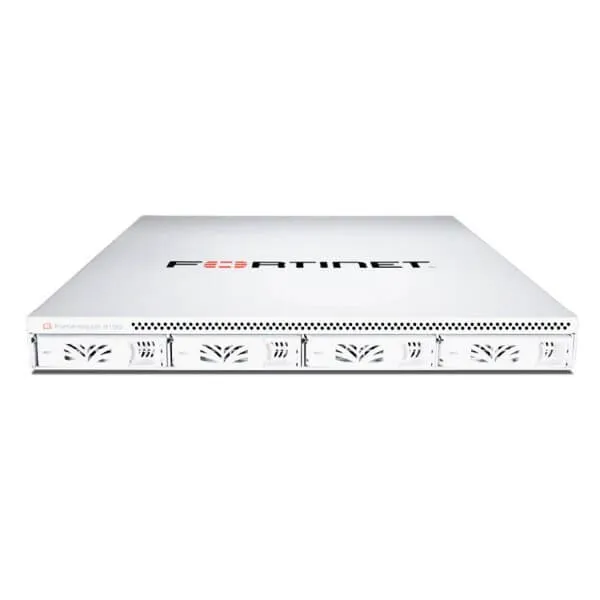
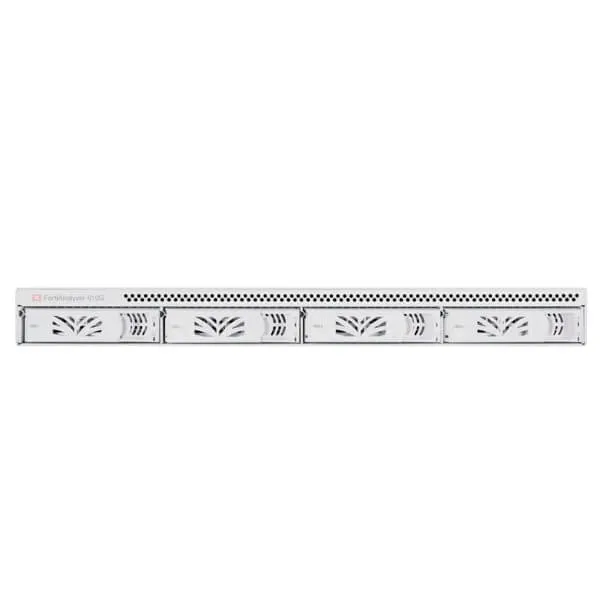
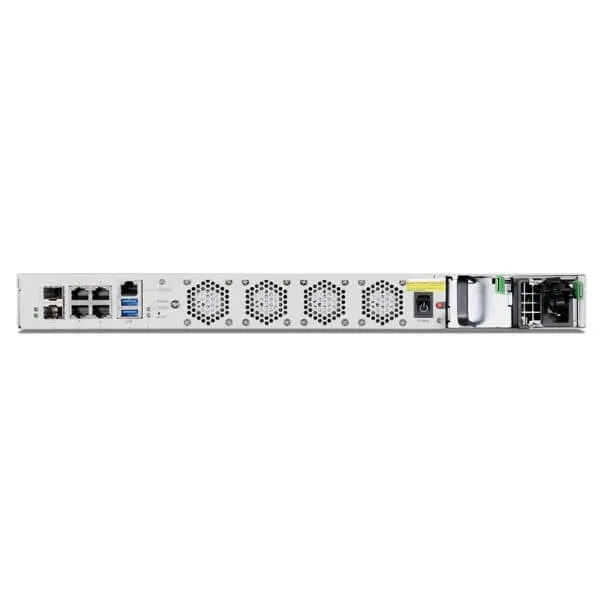
The appliance uses a 1RU rackmount design with four RJ45 Gigabit Ethernet interfaces and two Gigabit SFP interfaces. Its storage platform includes four 4 TB drives for 16 TB raw capacity, with 8 TB usable after the default RAID 10 arrangement. Hardware RAID, removable hot-swappable drives, and support for several RAID levels help infrastructure teams align storage protection with operational priorities. Optional redundant hot-swap power supplies can also be reviewed for environments where power resilience and maintenance flexibility are important.
This platform is relevant to banks, insurers, government departments, universities, healthcare networks, telecom operations, retail groups, logistics companies, managed security providers, industrial organizations, data centers, and large corporate environments that require clearer security visibility. It can support compliance reporting, incident investigation, network troubleshooting, executive summaries, threat monitoring, operational review, and lower-cost forwarding of selected data to other platforms. The value is not limited to storing more logs. It comes from making security data easier to interpret, reducing the effort needed to reconstruct events, and giving technical teams a consistent reporting environment.
For Africa buyers, the correct purchasing decision should include more than the appliance order code. Daily log volume, number of devices, retention policy, subscription services, support entitlement, rack depth, airflow, power design, uplink media, migration approach, administrator roles, backup plan, and delivery requirements should all be discussed before final approval. FourTeck can help turn those questions into a clearer bill of materials and quotation so the selected platform is aligned with the actual security operation.
Key Business Benefits
A dedicated analytics appliance creates value when it improves decision-making, reduces operational friction, and gives the organization a more reliable record of security activity. The following benefits explain how the platform can support business operations when it is sized and configured correctly.
◆ Centralized Visibility
Bringing logs into one platform reduces the need to check many separate device interfaces. Security teams can work from a more consistent view of events, trends, policies, users, network activity, and incident evidence. This helps improve coordination between analysts, network engineers, auditors, and management.
✓ Better Investigation Context
Incidents rarely appear as one simple alert. They often involve authentication events, firewall traffic, endpoint activity, application access, and changes across several systems. Central analysis helps teams compare related information and build a more complete timeline before deciding how to respond.
● Audit and Reporting Readiness
Structured reporting and retained event data can support internal audits, external assessments, policy reviews, management reporting, and evidence requests. The appliance does not replace a compliance programme, but it can reduce the time needed to collect and present security information.
⚙ Operational Troubleshooting
Security logs can reveal more than attacks. They can help teams investigate connectivity problems, policy blocks, application failures, user access issues, routing changes, resource trends, and service interruptions. Faster evidence gathering can shorten troubleshooting and reduce repeated guesswork.
↗ Growth Without Early Replacement
A platform sized above the present logging baseline gives the organization room to add devices, branches, virtual domains, and new reporting requirements. Good sizing can help avoid replacing the appliance too soon, provided log growth, storage use, retention, and service expansion are reviewed regularly.
🔒 Protected Storage Design
Hardware RAID, removable drives, hot-swap capability, and a default RAID 10 layout provide a stronger operational storage design than a single-disk logging system. These capabilities can support maintenance and resilience planning, although backup and archive policies are still required.
● Clearer Management Communication
Executive and operational reports can help non-specialists understand event volume, security trends, device status, policy activity, and areas needing attention. Better communication helps management connect technical findings with risk, budget, and business continuity decisions.
Product Highlights
The appliance combines a mid-enterprise logging profile with a storage and hardware design intended for continuous security operations. Its strongest buying points are not isolated specifications; they work together. Log capacity determines whether the platform can receive the expected daily data. Sustained event rates indicate how consistently it can process information. Device limits show how broadly it can be deployed. Storage and RAID shape practical retention and resilience. Network interfaces, power, airflow, and rack dimensions influence whether it fits the intended data-center environment.
Suitable for established environments that have outgrown entry-level logging appliances and require a more substantial daily ingestion allowance.
Supports sustained analysis workloads under published test conditions, helping teams maintain searchable and reportable security data.
Provides additional event-handling capacity when the appliance is used in a collector-oriented role within a distributed deployment.
Supports multi-device and segmented Fortinet environments where one reporting and analytics platform needs to serve many managed contexts.
Four 4 TB drives provide the raw storage foundation, with 8 TB usable after the published default RAID 10 configuration.
Fits standard rack environments while still offering hot-swappable storage and optional redundant power capability.
Performance figures are laboratory values and should be treated as sizing references rather than guaranteed production results. Real outcomes depend on log mix, software version, enabled services, database activity, reporting frequency, archive policy, network conditions, and system configuration. FourTeck recommends reviewing peak and average log rates rather than purchasing only from a daily volume estimate.
Technical Specifications
| Specification | FAZ-810G Detail | Buyer Note |
|---|---|---|
| Brand | Fortinet | Confirm final supply route and support entitlement. |
| Model | FAZ-810G | Centralized log and analysis hardware appliance. |
| Logs per Day | Up to 200 GB/day | Size from measured average and peak log volume. |
| Analytic Sustained Rate | 4,000 logs/second | Published constant rate under test conditions. |
| Collector Sustained Rate | 6,000 logs/second | Relevant to collector-mode architecture planning. |
| Maximum Devices / VDOMs | 800 | Include present estate and expected expansion. |
| Maximum Analytics Days | 50 days at maximum sustained analytics rate | Can increase when average log rate is lower. |
| Form Factor | 1RU rackmount | Confirm rack depth, rails, airflow and service clearance. |
| Interfaces | 4 × RJ45 GE, 2 × GE SFP | Confirm copper or fiber uplink design and SFP requirements. |
| Raw Storage | 16 TB using 4 × 4 TB 3.5-inch SAS drives | Published ordering information describes self-encrypting storage. |
| Usable Storage After RAID | 8 TB | Retention should be calculated from usable rather than raw capacity. |
| Supported RAID | RAID 0/1, 1s/5, 5s/10 | Final choice should balance protection, capacity and operational policy. |
| RAID Type / Default | Hardware, hot-swappable / RAID 10 default | Supports drive maintenance without treating RAID as backup. |
| Power Supply | 100–240 Vac, 50–60 Hz, 4 A maximum | Optional redundant hot-swap power supplies can be reviewed. |
| Power Consumption | 115 W average / 150 W maximum | Include in UPS, PDU and thermal planning. |
| Heat Dissipation | 433 BTU/hour | Important for enclosed rack and cooling design. |
| Dimensions | 4.4 × 44.0 × 55.0 cm | Height × width × length. |
| Weight | 11.68 kg | Plan safe rack installation and rail support. |
| Operating Environment | 0°C to 40°C; 5% to 95% humidity, non-condensing | Use controlled data-room conditions. |
| Airflow / Altitude | Front to back / up to 2,250 m | Match rack airflow and site altitude requirements. |
| Availability | Contact FourTeck for current Africa options | Model, bundle, support, quantity and destination affect supply. |
The daily log figure is the first screening point, but it should not be the only one. A business producing 120 GB on an average day may experience much higher peaks during an attack, a policy change, a new branch deployment, or a reporting period. The device count should include planned growth and virtual domains. Retention should be calculated from usable storage and the type of data being kept. Buyers should also decide whether the appliance will operate mainly as an analyzer, collector, or part of a larger distributed design. FourTeck can help review these factors with the technical team before quotation.
Configuration and Buyer Guidance
Correct sizing starts with measured data. Estimate the average and peak log volume from existing FortiGate devices, virtual domains, security services, network systems, and any third-party sources planned for collection. Where measurements are unavailable, create a short monitoring period before purchase rather than relying only on device count. Two organizations with the same number of firewalls can produce very different logging volumes because traffic patterns, enabled features, policy detail, user activity, and retention requirements are not the same.
1. Log Volume
What are the measured average and peak GB per day? Which device types produce the largest share?
2. Device Estate
How many firewalls, VDOMs, branches, and other systems will send logs now and over the next three years?
3. Retention Target
How many days of searchable analytics are required, and which older logs can move to archive storage?
4. Deployment Role
Will the appliance analyze data directly, operate as a collector, or participate in a distributed architecture?
5. Resilience
Does the site require redundant power, spare drives, separate network paths, backup, or disaster-recovery procedures?
6. Support Scope
Which FortiCare term, subscription services, installation tasks, migration work, and administrator training are required?
Network design also matters. The platform includes copper and SFP interfaces, so the buyer should confirm which ports will be used for management, log traffic, administration, backup, and any separated network segments. SFP modules and fiber cabling may need to be quoted separately. Rack depth, rail compatibility, front-to-back airflow, controlled temperature, stable power, UPS support, and physical access should be checked before delivery. A 1RU appliance may be compact, but its 55 cm chassis depth and service clearance still need to fit the cabinet.
Finally, define who will operate the platform. Administrator roles, authentication, backup ownership, report scheduling, alert review, incident escalation, software maintenance, certificate management, and renewal tracking should be assigned before go-live. A correctly purchased appliance can still underperform operationally when no team owns the daily workflow. FourTeck can help buyers prepare a practical requirement list covering hardware, support, deployment, and ongoing operation.
Ideal Business Use Cases
This appliance is most suitable where security data has become too important, too distributed, or too voluminous for basic device-by-device review. The examples below show practical environments where a dedicated platform can provide measurable operational value.
Enterprise Security Operations
A central security team can use the platform to review firewall events, correlate activity, investigate incidents, create recurring reports, and maintain a consistent operating picture across headquarters, data centers, and branches.
Multi-Branch Organizations
Retail groups, banks, logistics networks, clinics, universities, and distributed companies can consolidate events from many sites instead of asking each branch to retain and interpret its own logs independently.
Audit and Governance Support
Organizations that face internal reviews, regulator questions, customer assessments, or board reporting can use scheduled reports and retained evidence to support governance processes and demonstrate consistent security monitoring.
Managed Security Services
Service providers and integrators can use administrative separation and centralized collection to support multiple managed environments, provided customer boundaries, access control, retention, and service responsibilities are designed carefully.
Incident Investigation
When suspicious activity appears, analysts can search historical events, compare related indicators, review timelines, and identify affected devices more efficiently than working from isolated exports collected after the incident.
Network and Application Monitoring
Security event data can support troubleshooting of policy blocks, application access, bandwidth patterns, service health, routing changes, and resource trends, improving cooperation between security and network teams.
A financial institution might use the appliance to consolidate events from internet gateways, branch firewalls, remote-access services, and protected application zones. A university may use it to review activity across campuses, student networks, data centers, and administrative systems. A healthcare group may need stronger reporting and investigation across hospitals and clinics. A logistics company can use centralized visibility to understand connectivity and policy events across warehouses, ports, offices, and regional depots. In each case, the platform should be sized around real event volume and operational process rather than industry name alone.
The appliance can also be useful when an organization forwards selected data to a separate SIEM or long-term archive. Collecting and filtering logs before forwarding can help control downstream ingestion volume, but this architecture should be planned with clear rules for what is retained locally, what is forwarded, how failures are handled, and who verifies that the data chain remains complete.
FortiAnalyzer FAZ-810G Log Capacity and Analytics
Log capacity is the central sizing measure for this platform. The published allowance of up to 200 GB per day identifies the volume class, while the analytic sustained rate of 4,000 logs per second indicates the constant event rate the appliance can maintain under stated test conditions without SQL database and system performance degradation. The collector sustained rate increases to 6,000 logs per second when the platform is used in a collector-oriented role. Buyers should understand the difference because a distributed architecture may assign collection and analysis tasks differently.
Daily GB and logs per second describe different parts of the workload. A system can remain below 200 GB per day but still experience short event bursts that challenge processing. Another environment may have a steady event rate with large log records that consume storage faster. Firewall policy changes, malware outbreaks, network scans, authentication failures, new branch rollouts, and expanded inspection can all increase event generation. The safest approach is to examine average, peak, and growth rates together.
The 800-device or VDOM limit is also important. A large number of small branches may remain within the daily data allowance but approach the device boundary. Conversely, a smaller number of high-throughput firewalls may generate the full daily log volume quickly. Buyers should therefore document each source, estimated event volume, VDOM count, and expected onboarding date. This inventory makes it easier to decide whether one appliance is sufficient or whether a distributed design should be discussed.
FourTeck can help technical teams turn monitoring data into a procurement brief. Useful inputs include current log summaries, number of sites, expected growth, peak incident behaviour, reporting frequency, archive plan, and whether optional services such as security automation, threat intelligence, or monitoring support will be considered. This process helps reduce the risk of buying a platform that meets today’s average but not tomorrow’s operational demand.
FortiAnalyzer FAZ-810G Storage, RAID and Retention
The storage platform uses four 4 TB drives for 16 TB raw capacity. Under the published default RAID 10 configuration, usable storage is 8 TB. This difference between raw and usable capacity is essential for retention planning. Buyers who calculate only from the headline storage figure may overestimate how long searchable analytics can remain available. RAID protects service continuity against certain drive failures, but the protection overhead reduces usable space and does not replace backup or external archiving.
Hardware RAID and hot-swappable drives improve maintainability. A failed drive can be replaced according to supported procedures without treating the appliance like a basic desktop system. Supported RAID choices include RAID 0/1, 1s/5, 5s/10, allowing the platform to address different capacity and resilience goals. The default RAID 10 arrangement emphasizes performance and mirrored protection. Any change from the default should be approved against the organization’s risk tolerance, support guidance, retention policy, and recovery plan.
Retention is influenced by more than daily data volume. Analytics databases, indexing, reports, event handling, archive rules, system files, and operational overhead all consume resources. Some log categories may need a longer period than others. High-detail traffic logs can grow quickly, while critical security or authentication records may need extended retention for governance. A good policy defines which data remains searchable on the appliance, which data moves to archive, who can retrieve older records, and how evidence integrity is maintained.
The published maximum of 50 analytics days is based on continuous reception at the sustained analytics rate. The period may increase when average log rate is lower. This should be treated as a planning reference rather than a fixed promise. Actual results depend on the log environment and configuration. FourTeck recommends estimating retention from the organization’s own sample data and including a growth allowance for additional branches, new policies, and increased security inspection.
Backup planning should include configuration backups, external archive policy, recovery ownership, access control, encryption expectations, and testing. RAID can keep the system running through certain hardware failures, but it cannot protect against accidental deletion, corruption, administrator error, wider appliance loss, or site disaster. Buyers should therefore connect the purchase with a broader data-protection process.
FortiAnalyzer FAZ-810G Deployment, Resilience and Operations
A successful deployment begins before the appliance arrives. The rack should provide sufficient depth for the 55 cm chassis, stable front-to-back airflow, controlled temperature, service clearance, and safe cable routing. The unit weighs approximately 11.68 kg, so rails and installation procedures should be prepared. Power planning should account for an average consumption of 115 W, a published maximum of 150 W, and heat dissipation of 433 BTU per hour. UPS capacity, PDU outlets, grounding, and maintenance access should be reviewed with the facilities or data-center team.
The standard platform can be reviewed with optional redundant hot-swap power supplies. Redundancy is valuable only when the wider design supports it. Two power modules connected to the same failed PDU do not provide meaningful resilience. Where continuity matters, separate power paths, UPS systems, rack PDUs, and documented failover testing should be considered. The network design should likewise avoid creating a single unprotected path for log delivery or administration.
The interface mix includes four RJ45 Gigabit Ethernet ports and two Gigabit SFP ports. This provides flexibility for management, production log traffic, separated collection paths, backup, or other architecture needs. Buyers should confirm whether SFP modules are required, which fiber type and distance are involved, how switch ports will be configured, and whether dedicated management access is needed. Cabling, optics, labels, and spare ports should be included in the project plan rather than discovered during installation.
Operational readiness is equally important. Administrators should define access roles, authentication, software update procedures, report schedules, alert ownership, incident escalation, archive jobs, backups, capacity reviews, and renewal responsibilities. The system should be monitored for storage growth, event-rate changes, device onboarding, failed sources, report failures, and unusual gaps in data. Regular reviews help the organization detect when the platform is approaching its design limit.
FourTeck can help buyers clarify which parts of this work are included in the hardware quote and which require separate professional services. Installation, configuration, migration, integration, report development, training, and ongoing administration may be different scopes. Defining them early makes budgeting clearer and reduces delays between delivery and production use.
What Buyers Should Check Before Purchase
Before requesting a quote, buyers should confirm the required configuration, usage environment, compatibility needs, support expectations, and delivery location. Selecting only by model name can lead to missed services, insufficient retention, incorrect optics, incomplete power resilience, or a support term that does not match the organization’s lifecycle plan. FourTeck can help review the following points so the final request reflects the real requirement.
Configuration Fit
Confirm average and peak log volume, device and VDOM count, reporting load, expected growth, and whether the role is analytics, collection, or a distributed combination.
Retention and Archive
Define how many days must remain searchable, which records require long-term storage, where archives will be kept, and how older evidence will be retrieved.
Rack and Power
Check rack depth, rails, airflow, UPS sizing, PDU outlets, temperature, humidity, altitude, and whether redundant power paths are required.
Network Compatibility
Review switch ports, VLANs, management network, copper links, fiber links, SFP modules, routing, firewall rules, DNS, NTP, and secure administrator access.
Support and Services
Clarify FortiCare level, service subscriptions, support duration, renewal expectations, installation scope, migration, training, and post-deployment responsibilities.
Required Accessories
Confirm rail kit, power cords, spare drives, optional power supply, SFP modules, fiber patch cords, rack PDU capacity, and any backup or archive platform.
Long-Term Cost
Budget for support renewal, subscriptions, storage growth, implementation, training, replacement components, backup, and operational staff time—not only initial hardware.
Quote Preparation
Share country, delivery city, quantity, log measurements, device count, retention goal, support term, installation timeline, and whether the project requires migration assistance.
Buyers should also compare nearby appliance classes. A smaller model may reduce initial cost but create early capacity pressure. A larger model may provide useful headroom but increase procurement and support cost beyond what the organization needs. The correct decision comes from measured growth, business risk, retention policy, and operational capability. Where data is uncertain, FourTeck can help structure a sizing discussion and identify the information needed before a commercial recommendation is made.
For bulk or multi-country projects, provide a site list, expected deployment sequence, local rack conditions, quantity per location, central or local administration model, and desired support alignment. Standardizing the appliance and subscription term across sites can simplify renewal and operations, but some locations may need different capacity based on local traffic and device count.
Africa Availability and Service Support
FourTeck supports product inquiries across Africa with assistance for model selection, capacity review, subscription and support discussion, quote preparation, delivery coordination, warranty guidance, and related infrastructure planning. Availability may vary according to hardware revision, selected bundle, FortiCare term, optional services, redundant power choice, accessory requirements, supplier status, destination, and order quantity. Buyers should request current confirmation before scheduling installation or committing to a migration date.
The enquiry process can begin with a simple requirement summary. Share the current firewall and security estate, number of devices or VDOMs, average and peak logs per day, retention objective, preferred support period, rack location, delivery country, and expected deployment window. FourTeck can then help identify questions that may affect the quote, such as SFP requirements, optional power redundancy, archive planning, professional services, or a higher or lower appliance class.
Warranty and technical support expectations should be confirmed as part of the selected FortiCare route. Support entitlement, replacement procedures, service levels, and country handling can vary by contract and supply path. FourTeck can help explain the commercial options available at quotation stage without making unverified promises about stock or response times.
Africa Country and Regional Coverage
Businesses across Africa, including Kenya, Uganda, Nigeria, Ghana, Tanzania, Rwanda, Ethiopia, South Africa, Zambia, Botswana, Senegal, and nearby regional markets can contact FourTeck for availability guidance, configuration review, quotation support, delivery coordination, and warranty direction. The team can assist enterprise buyers, public-sector organizations, universities, banks, healthcare groups, telecom operators, resellers, integrators, and managed service providers that need a structured route from requirement to procurement.
Regional projects often involve different import procedures, delivery timelines, power environments, data-center standards, and support expectations. A central headquarters may require one analyzer with distributed collectors, while a multi-country group may prefer separate appliances in major regions. FourTeck can help discuss these choices in practical terms and connect the hardware request with rack, network, support, archive, and project-planning requirements.
For organizations operating across several countries, it is helpful to provide a common device inventory and log-retention policy while identifying any local exceptions. This makes it easier to compare one centralized design with several regional deployments and prepare a consistent commercial approach.
GCC, Middle East and Africa Availability
FourTeck Africa can support product inquiries for organizations operating across Africa while also guiding requirements through selected FourTeck platforms serving GCC and Middle East markets. Businesses with operations in the UAE, Saudi Arabia, Qatar, Oman, Bahrain, and African countries can discuss coordinated procurement, support-term alignment, delivery planning, and configuration requirements based on the selected product route and project quantity.
Cross-region security operations may need common reporting, consistent retention, central administration, local collectors, and documented ownership between group and country teams. The architecture should consider network latency, log forwarding paths, local data requirements, bandwidth, failure handling, administrator access, and the location of long-term archives. One design may not fit every organization, so regional deployment should follow the technical and governance model rather than country names alone.
Regional assistance can be explored through FourTeck Africa, FourTeck Kenya, FourTeck Uganda, and FourTeck UAE. Availability, delivery methods, warranty handling, and service scope may differ by country and should be confirmed during quotation.
Other Options Buyers May Consider
The correct platform depends on daily log volume, sustained event rate, device count, retention target, support term, and deployment architecture. Buyers may also need related Fortinet security products rather than a larger analyzer alone. The cards below provide practical navigation for connected requirements.
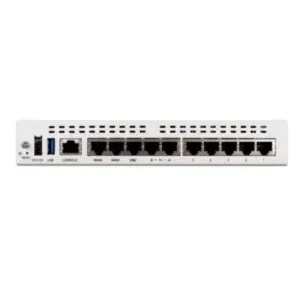
FortiAnalyzer FAZ-300G
Consider for smaller environments with lower daily log volume and fewer managed devices where the 810G class would provide excessive capacity.
FortiAnalyzer FAZ-1000G
Review for environments that need substantially higher ingestion, device scale, or storage than the 810G platform provides.
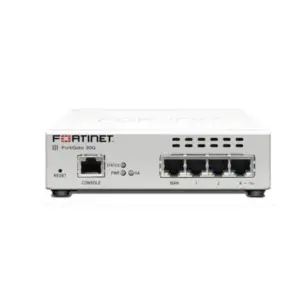
FortiGate Enterprise Firewalls
Central analytics often begins with a properly designed firewall estate. Review related data-center and enterprise security gateway options.
Threat Intelligence Services
Organizations expanding detection and investigation may also need threat intelligence, indicator enrichment, and structured response processes.
Fortinet SD-WAN Solutions
Distributed branch projects may combine secure connectivity with centralized reporting, policy visibility, and event review.
Fortinet Cybersecurity Portfolio
Review how FortiGate, FortiManager, FortiAnalyzer, FortiClient, FortiSwitch, FortiAP, and related services can fit a wider security design.
Why Buyers Choose FourTeck
Enterprise security procurement involves technical, commercial, operational, and regional questions. Security teams focus on event visibility and investigation. Infrastructure teams focus on rack, power, storage, and networking. Compliance teams focus on retention and reporting. Procurement teams need correct order identification and a clear quotation. Management wants the project to reduce risk without creating an appliance that no one can operate effectively. FourTeck helps bring these viewpoints into one buying discussion.
Guidance for enterprise, public-sector, reseller, integrator, and project procurement requirements.
Help reviewing log volume, retention, devices, RAID, power, interfaces, and deployment role.
Commercial support based on model, bundle, term, quantity, destination, and project scope.
Regional guidance for delivery planning without making unverified stock or timing claims.
Support-term discussion based on the selected FortiCare route, country, and purchase option.
Assistance reviewing firewalls, management, backup, archive, UPS, optics, and suitable alternatives.
FourTeck’s role is to help the buyer avoid incomplete procurement. A hardware-only quote may not include the support term, optional services, redundant power, optics, rails, implementation, archive integration, or training expected by the technical team. By clarifying these items early, buyers can compare offers more fairly and reduce the risk of delays after delivery.
The team can also help buyers prepare alternative options when the requested model is not the best fit. This may involve a smaller platform for cost control, a larger platform for growth, a virtual deployment, a distributed collector design, or related Fortinet products that address management and security workflow requirements.
Frequently Asked Questions
What is the FAZ-810G used for?
It is used to collect, organize, analyze, report on, and retain security logs from Fortinet and supported third-party systems. Typical uses include incident investigation, operational monitoring, compliance reporting, event review, network troubleshooting, and centralized visibility across many devices or virtual domains.
How much log data can it handle?
The published capacity is up to 200 GB of logs per day, with an analytic sustained rate of 4,000 logs per second and a collector sustained rate of 6,000 logs per second. Buyers should still measure average, peak, and expected future log volumes because production results depend on the event mix and configuration.
How many devices can the appliance manage?
The platform supports a published maximum of 800 devices or VDOMs. This limit should be reviewed together with daily log volume. A deployment can approach the event-capacity limit before reaching 800 devices, or approach the device limit while producing less than the maximum daily volume.
How much usable storage is available?
The appliance has 16 TB raw storage using four 4 TB drives. Published usable storage after the default RAID 10 configuration is 8 TB. Retention planning should use the usable capacity and consider database overhead, reports, archive policy, and future growth.
Can FourTeck help with configuration planning?
Yes. FourTeck can help buyers review daily log volume, device count, retention, RAID expectations, network connectivity, SFP needs, rack environment, power redundancy, support term, service subscriptions, migration requirements, and delivery details before a quotation is finalized.
Is the product available in Africa?
FourTeck supports Africa product inquiries and can assist with current availability checks, quotation, configuration review, delivery coordination, and warranty direction. Availability depends on the selected bundle, support term, optional services, supplier status, destination, and order quantity.
Does it support redundant power?
The data sheet lists optional redundant hot-swap power supplies for this model. Buyers who need resilience should confirm the exact power-supply configuration in the quote and design separate power paths, UPS systems, and rack PDUs so the redundancy provides practical value.
What support or subscription options may be required?
Requirements depend on the deployment. Buyers may review FortiCare support and optional services for threat intelligence, automation, compliance, monitoring, or other operational needs. The final bundle, term, renewal cost, and service scope should be confirmed during quotation.
What information should I provide for a quote?
Share delivery country and city, quantity, average and peak logs per day, number of devices or VDOMs, retention objective, preferred support period, redundancy requirement, network interface needs, installation scope, and expected deployment date. These details help prepare a more relevant commercial response.
Can businesses request project or bulk supply?
Yes. Enterprise buyers, public-sector organizations, resellers, integrators, and managed service providers can request quantity-based or multi-site support. Provide the number of units, deployment locations, preferred support alignment, delivery sequence, and any related firewall, management, optics, rack, or professional-service requirements.
Need Help Choosing the Right Log Analytics Platform?
FourTeck can help review appliance availability, capacity, retention, RAID, power options, FortiCare term, service subscriptions, rack requirements, delivery details, and quote preparation for your business location.
Reviews
There are no reviews yet.