

Fortinet FortiToken Mobile in Africa
Strengthen remote access, administrator sign-ins, and sensitive business logins with a mobile one-time password solution designed to add a second verification step beyond the user password. This software token is well suited to organisations that already use FortiGate or FortiAuthenticator and want a practical route to multi-factor authentication for employees, contractors, branch teams, and privileged users. FourTeck supports licence selection, user-count planning, compatibility review, quotation, and regional buying coordination.
✓ FortiGate Integration
✓ Licence Pack Guidance
✓ Africa Quote Support
Request Quote
Check Africa Availability
Quick Product Information
A Practical Mobile Token for Stronger Business Sign-Ins
Passwords remain part of everyday business access, yet a password by itself can be exposed through phishing, reuse, social engineering, malware, or accidental sharing. A mobile token adds another verification step, so knowing the password alone is not enough to complete the login. The application generates one-time password values on the user’s device and, in supported configurations, can present an approval request that the user can accept or deny. This gives organisations a manageable way to improve access protection without issuing a separate key fob to every employee.
The solution fits naturally into Fortinet-secured networks. A company may use it to protect remote VPN access through a FortiGate firewall, strengthen administrator access to network infrastructure, add token-based authentication through FortiAuthenticator, or support a wider identity project. It is not a complete identity platform by itself; it is the user-side token component that works with a validating server or cloud service. This distinction is important because buyers must match the token licence to the correct Fortinet management platform, user count, and authentication workflow.
For African businesses, mobile authentication can be especially practical where users work across branch offices, customer locations, homes, field sites, and regional travel. A software token avoids the logistics of distributing and replacing a physical device for every user. Once a token is activated, one-time codes can be generated without a live network connection on the phone, which can help users working in locations with inconsistent mobile coverage. Network connectivity is still required for activation and for push-style approval services.
FourTeck helps buyers move from a general request for stronger login security to a correctly scoped order. The discussion can cover the number of protected users, existing FortiGate or FortiAuthenticator environment, VPN method, administrator accounts, device platforms, activation process, backup access procedures, and rollout schedule. This planning reduces the risk of buying the wrong quantity, overlooking platform requirements, or deploying tokens without a clear user support process.
Key Business Benefits
The value of a mobile token is not only the code shown on a screen. Its business value comes from making stolen passwords less useful, creating a clearer access policy, and giving IT teams a scalable method for applying stronger authentication to selected user groups.
🔒 Reduced Password-Only Risk
A second authentication factor makes it harder for an attacker to enter a protected service using only a stolen or guessed password. This is particularly useful for remote access, firewall administration, and accounts that can reach sensitive systems.
◆ Uses Existing User Devices
Employees can use a supported phone or Windows device instead of carrying an additional physical token. This can simplify distribution, reduce shipping requirements, and make phased deployment easier for branch and remote teams.
● Flexible User Experience
Users can enter a changing one-time code, while supported deployments may offer push approval for a simpler sign-in flow. The correct method can be chosen according to risk, connectivity, user profile, and platform design.
⚙ Fortinet Platform Alignment
The mobile token can be managed within an existing Fortinet security environment, helping organisations avoid a disconnected authentication tool. Integration choices depend on the selected FortiGate, FortiAuthenticator, or cloud-managed identity architecture.
✓ Scalable Licence Quantities
Electronic licence packs are available for different user quantities, allowing a small technical team, a growing business, or a large organisation to select a pack that reflects the intended rollout rather than buying an arbitrary number of tokens.
↗ Better Access Governance
A planned token rollout encourages the business to define who needs stronger authentication, which services are protected, how lost devices are handled, and who approves changes. These operational decisions improve control beyond the technology itself.
Product Highlights for IT and Procurement Teams
The application supports OATH-compliant time-based and event-based one-time passwords. In technical terms, this includes established TOTP and HOTP methods based on RFC 6238 and RFC 4226. In practical terms, the user receives a temporary value that changes or advances and is validated as the second step of the login. This approach is familiar to users of authenticator applications and can be applied to Fortinet-managed access workflows.
The token seed is protected during provisioning and is bound to the device as part of the Fortinet design. The application is built to perform its authentication role without controlling unrelated phone functions. Permissions relevant to operation can include camera access for QR scanning, network access for activation and push notifications, and biometric features for protecting access to the application. Buyers should still review their organisation’s mobile-device policy, privacy requirements, and acceptable-use rules before deployment.
The current electronic licence family includes packs for small and large user populations. Final quantity, order code, and management model must be confirmed before purchase. Newer device-managed licences have restrictions on transfer between different FortiGate or FortiAuthenticator systems, so hardware refresh and migration plans should be discussed before the licence is registered.
Technical Specifications and Licence Information
| Specification | Fortinet Mobile Token Details |
|---|---|
| Brand | Fortinet |
| Product family | FortiToken Mobile electronic licence family |
| Authentication method | OATH time-based and event-based one-time password generation |
| Standards | RFC 6238 TOTP and RFC 4226 HOTP |
| Supported device families | Supported iOS, Android, and Windows devices; confirm current operating-system versions before rollout |
| OTP operation | Codes can be generated without network access after successful token activation |
| Push approval | Available in supported iOS and Android deployments when the management platform and connectivity are correctly configured |
| Application protection | PIN and supported fingerprint or facial controls, depending on device capabilities |
| Provisioning | Online activation, QR code, or manual activation options depending on platform and administrator workflow |
| Validation and management | FortiGate, FortiAuthenticator, or suitable Fortinet cloud identity service, configuration dependent |
| Licence quantities | FTM-ELIC packs are available in multiple quantities, including 5, 10, 25, 50, 100, 200, 500, 1,000, 2,000, 5,000, and 10,000 users |
| Licence term | Device-managed electronic token licences are described as perpetual; cloud-managed services may use subscription terms |
| Transfer condition | Licence transfer between different devices is not allowed for device-managed licences shipped on or after 4 August 2025 |
| Physical power or rack requirement | Not applicable to the software token; the validating Fortinet platform has separate requirements |
| Availability | Configuration, quantity, supplier, and country dependent; contact FourTeck for current options |
How to Choose the Correct Licence Pack
Begin with the number of people who genuinely need token-based authentication, not the number of employees in the company. Some organisations protect only VPN users and administrators, while others apply multi-factor authentication to every user who can reach a sensitive application. Include new starters, temporary contractors, spare capacity, and expected growth so the initial pack is not exhausted immediately.
Next, confirm where the tokens will be registered. A licence intended for one FortiGate or FortiAuthenticator should not be purchased without considering future appliance replacement, high availability, central management, and migration plans. For cloud-managed authentication, compare the subscription structure and feature set with device-managed perpetual token licences. FourTeck can help turn these decisions into a clear bill of materials and quotation request.
Configuration and Buyer Guidance
A successful authentication project starts with a map of the login journey. Identify the system being protected, the user group, the first-factor credential, the validating platform, the token method, the recovery process, and the team responsible for user support. Buying licences before these points are clear can create unused capacity or a deployment that does not match the organisation’s security policy.
1. Which Logins Need Protection?
List FortiGate VPN users, firewall administrators, network engineers, contractors, application users, and other accounts with meaningful access. Prioritise accounts where compromise would have a serious operational, financial, or compliance impact.
2. What Platform Will Validate the Token?
Confirm the FortiGate model and FortiOS environment, FortiAuthenticator deployment, or cloud identity service. The management choice affects provisioning, user administration, migration, feature availability, and ongoing operational ownership.
3. Do Users Need OTP, Push, or Both?
One-time codes can operate after activation without phone connectivity, while push approval requires communications to the device and a supported configuration. Consider users who work in low-coverage areas, travel frequently, or cannot use push notifications.
4. How Will Devices Be Replaced?
Document the process for lost, stolen, damaged, reset, or upgraded phones. The helpdesk should know how to verify the user, revoke or replace the token, provide temporary access, and record the change without weakening security.
5. Is the User Population Stable?
Plan for employee growth, contractors, seasonal staff, multiple branches, and new applications. A small buffer can reduce urgent follow-on purchases, but excessive unused licences may tie up budget without providing immediate protection.
6. What Support Does the Rollout Need?
Decide whether the business needs only the licence, or also configuration, user onboarding, testing, administrator documentation, migration guidance, and post-deployment assistance. Include these services in the initial project discussion.
Before ordering, provide FourTeck with the current Fortinet platform, firmware family, user count, intended applications, preferred authentication method, licence quantity, existing tokens, migration requirement, country, and target rollout date. These details make the quotation more accurate and help identify whether the project needs a device-managed token pack, a central FortiAuthenticator design, or a cloud-managed alternative.
Ideal Business Use Cases
Mobile multi-factor authentication can be applied to several business access scenarios. The most effective deployments begin with accounts and services where a compromised password would expose important systems, customer information, financial processes, or network control.
Remote VPN Access
Organisations can add a second verification step for staff connecting to internal resources through a FortiGate remote access workflow. This is useful for home workers, travelling employees, outsourced support teams, and managers who access business systems from outside the office.
Administrator Protection
Firewall, network, and security administrator accounts deserve stronger protection because they can change policies, create users, or reach sensitive infrastructure. Token-based authentication helps reduce reliance on a privileged password as the only barrier.
Branch and Field Teams
Sales, logistics, engineering, healthcare, and project staff may work from branch offices or field locations. A mobile token can provide a portable second factor without requiring the company to distribute a separate physical device to each person.
Third-Party and Contractor Access
External engineers and service providers often need temporary or controlled access. Adding a token to the approved account can strengthen verification, provided the business also applies time limits, least-privilege permissions, monitoring, and prompt account removal.
Education and Research Networks
Universities, schools, and research organisations can protect IT administrators, finance users, remote faculty, and selected systems. The rollout should distinguish between high-risk accounts and broad student access so the licence plan remains practical.
Healthcare and Professional Services
Clinics, hospitals, legal firms, accountants, and consultants handle confidential information and often support remote work. Multi-factor authentication can strengthen access to protected network services while supporting a clearer account-control policy.
Finance and Payment Operations
Finance users, payment administrators, and senior approvers are attractive targets for credential theft. Token-based authentication can be one layer in a broader control framework that also includes separation of duties, transaction approval, logging, and endpoint protection.
Multi-Branch Enterprise Access
Companies with several offices can standardise stronger authentication for selected teams. A central identity design may be preferable when many FortiGate devices, applications, directories, and user groups must be managed consistently.
The solution should not be treated as a substitute for good passwords, account lifecycle management, endpoint security, access policies, and user awareness. It works best as one layer in a coordinated security design. FourTeck can help identify the first group of users to protect and plan a phased expansion that matches operational capacity.
FortiToken Mobile One-Time Password and Push Authentication
The central feature is the ability to prove possession of an activated token through a temporary code or a supported push approval. A time-based code changes according to a defined interval, while an event-based code advances when used. Because the value is temporary, it is less useful to an attacker than a reusable password. The validating Fortinet platform checks the token value together with the user’s primary credential before access is granted.
For users, the workflow can be straightforward: open the application, view the code, and enter it during login. Once activation is complete, the device does not need a mobile or Wi-Fi connection simply to generate the one-time code. This can be valuable for travelling staff or sites where connectivity is not always dependable. Push approval offers a different experience by sending login information to the supported mobile application. The user can review and approve or deny the request, which can reduce typing and make routine access faster.
The business should decide which method is appropriate for each user group. Push approval is convenient, but users must be trained not to approve unexpected prompts. OTP entry can work offline, but the user must handle the code correctly and understand the login timing. High-risk accounts may require stricter policies, more detailed user verification, or additional access controls beyond a token.
A sensible rollout includes pilot testing with different phone platforms, remote access methods, and network conditions. Test normal login, expired codes, denied push requests, phone replacement, account disablement, and emergency recovery. The result should be a predictable user experience backed by a helpdesk process, not simply a licence installed on the firewall.
FortiToken Mobile FortiGate and FortiAuthenticator Integration
A major purchasing advantage is the ability to use the token within a Fortinet security environment. FortiGate includes authentication capabilities that can validate the second factor for supported remote access, captive portal, and administrator login use cases. For a smaller organisation with one primary firewall and a focused user group, managing tokens directly on the FortiGate may provide a simple starting point.
FortiAuthenticator becomes relevant when the business needs a more central identity layer. It can support token management alongside directory integration, RADIUS services, single sign-on, certificate functions, and other authentication workflows. This can be useful for organisations with multiple FortiGate devices, several applications, more complex user groups, or a need to separate identity administration from firewall administration. The correct FortiAuthenticator model or virtual deployment must be sized separately.
Cloud-managed identity services can provide another path for businesses that prefer central management from a hosted platform. Cloud offerings use their own subscription, feature, support, and renewal model, so they should not be assumed to be identical to a device-managed electronic token licence. The decision should consider administration location, user self-service, federation needs, adaptive policies, internet dependency, support ownership, and long-term cost.
FourTeck can help compare these architectures without treating them as interchangeable. Share the number of FortiGate appliances, whether high availability is used, existing FortiAuthenticator capacity, user directory, remote access method, cloud applications, branch count, and expected growth. A well-selected platform can make onboarding, policy management, migration, and reporting more manageable throughout the life of the project.
FortiToken Mobile Provisioning, Device Security, and User Operations
Provisioning connects the purchased token entitlement to a user and an approved device. Depending on the management platform, an administrator can issue an activation message, QR code, or manual activation information. The user installs the official application, follows the activation process, and begins generating one-time passwords. The organisation should protect activation messages because they are part of establishing the token on the device.
The application can use a PIN and supported biometric controls to restrict access on compatible devices. Token seeds are protected during provisioning and stored for the authentication function. The application may request camera permission for QR scanning, network access for token activation and push notifications, and biometric access for application security. These permissions should be explained to users before rollout, especially in bring-your-own-device environments where privacy questions can delay adoption.
Operational planning is as important as activation. Employees replace phones, reset devices, change numbers, leave the organisation, or lose access while travelling. The helpdesk needs a documented process for identity verification, token revocation, reassignment where permitted, temporary access, and audit recording. Newer device-managed licences also have transfer restrictions between different FortiGate or FortiAuthenticator systems, which makes infrastructure migration planning essential.
User training should be concise and practical. Teach users to protect their application PIN, deny unexpected push requests, report a lost phone quickly, avoid sharing activation information, and contact the approved support channel when access fails. Administrators should monitor token assignments, remove departed users, test backup procedures, and review whether protected services still match the organisation’s risk priorities.
What Buyers Should Check Before Purchase
Before requesting a quote, buyers should confirm the required configuration, usage environment, compatibility needs, support expectations, and delivery location. FourTeck can help review these details so the selected licence matches the business requirement instead of choosing only by product name or a low advertised price.
Correct Order Code
Confirm whether the requirement is for 5, 10, 25, 50, 100, or more users. The quote should state the exact FTM-ELIC order code and the number of token licences provided.
Management Platform
Identify the FortiGate, FortiAuthenticator, or cloud service that will manage and validate the tokens. Include model, firmware, high-availability status, and existing token inventory.
Device Compatibility
Check the current supported operating-system versions for the phones and computers used by staff. Include any managed-device restrictions, application-store access, and regional mobile policies.
Migration and Transfer
If a firewall or authenticator replacement is planned, discuss the licence transfer restriction before registration. A future migration may affect the best management model and purchase timing.
Push Connectivity
Decide whether push approval is required and verify the network, notification, and platform conditions. Keep an OTP method or documented fallback for users with limited connectivity.
User Recovery Process
Define what happens when a user loses a device, forgets the application PIN, changes phones, or cannot receive activation information. Recovery must verify identity without creating an easy bypass.
Implementation Services
Clarify whether the order includes only electronic licences or also configuration, testing, documentation, user onboarding, administrator training, and ongoing technical assistance.
Project and Bulk Supply
For large deployments, share phased user numbers, branches, rollout dates, procurement approvals, and support responsibilities. This helps align licence quantities with deployment stages and budget timing.
The quote request should include the organisation name, country, number of users, current Fortinet equipment, desired authentication use case, required licence pack, target date, and whether configuration support is needed. Buyers replacing another authentication system should also provide the existing user workflow, directory platform, and migration constraints. These details help FourTeck identify a suitable option or recommend an alternative when a different Fortinet identity architecture would be more appropriate.
Africa Availability and Service Support
FourTeck supports enquiries for FortiToken Mobile Africa with assistance for product selection, licence quantity review, order-code confirmation, quote preparation, deployment discussion, and delivery coordination. Availability can vary according to the user pack, supplier status, electronic fulfilment process, customer registration information, destination, and order quantity. A current quotation is therefore more useful than relying on a generic online listing.
Configuration support can cover the planning conversation around FortiGate or FortiAuthenticator registration, user assignment, activation workflow, pilot testing, and operational handover. The exact scope should be agreed before purchase because an electronic licence and an implementation service are separate commercial items. For complex environments, FourTeck can also help the buyer identify whether a central authenticator or cloud-managed identity service should be considered.
Warranty and support expectations depend on the licensed product, Fortinet account, validating platform, and service arrangement. Buyers should confirm the applicable Fortinet support path, FourTeck service scope, and internal helpdesk responsibility. Share the required user count, existing platform, country, and rollout target to receive practical guidance.
Africa Country and Regional Coverage
Businesses across Africa, including Kenya, Uganda, Nigeria, Ghana, Tanzania, Rwanda, Ethiopia, South Africa, Zambia, Botswana, Senegal, and other regional markets can contact FourTeck for licence availability, configuration guidance, and quote assistance. The team can help buyers review user quantities, validating platforms, activation requirements, related Fortinet options, and project supply needs according to the intended business use.
A regional project may involve one head office, several branches, mobile staff, contractors, and a central IT team. FourTeck can help organise the buying conversation around a common token policy while recognising that device ownership, mobile connectivity, local support, and rollout schedules may differ by country. Availability and fulfilment remain dependent on the selected licence, current sourcing, customer details, and commercial terms.
GCC, Middle East and Africa Availability
FourTeck Africa can support product enquiries for businesses across Africa while also guiding regional technology requirements through selected FourTeck platforms for GCC, Middle East, and Africa markets. Organisations may have users in African branches while procurement, finance, or security management is coordinated from the UAE, Saudi Arabia, Qatar, Oman, or Bahrain. In this structure, accurate licence ownership, user quantity, registration information, and support responsibility are essential.
Availability, delivery options, warranty handling, and configuration support may vary by country, licence type, selected platform, supplier status, and order quantity. Buyers can use the FourTeck Africa technology platform, the Kenya support channel, the Uganda service desk, or the UAE procurement desk according to the project’s commercial coordination needs.
For cross-regional rollouts, provide a single user-count schedule, branch list, management platform, deployment sequence, and support model. This helps reduce confusion between where the licence is purchased, where it is registered, and where the users are located.
Other Fortinet Options Buyers May Consider
The correct solution depends on whether the business needs only mobile tokens, a central authentication platform, a firewall enforcement point, or a broader identity programme. These related FourTeck pages can help buyers compare the surrounding components without treating every Fortinet product as the same type of purchase.
Fortinet Identity Security Solutions
Best for buyers comparing mobile tokens, authenticators, cloud identity, privileged access, and network access control as one coordinated programme.
FortiAuthenticator FAC-3000F
Suitable for large organisations that need a dedicated platform for central authentication, token management, directory integration, and identity services.
Fortinet FortiGate Firewall Family
Useful when the token will protect VPN or administrator access and the organisation also needs a suitable FortiGate security platform.
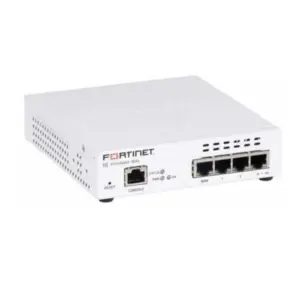
FortiGate 50G
A compact branch firewall option for buyers planning secure networking, VPN, and a manageable authentication path for a small or growing site.
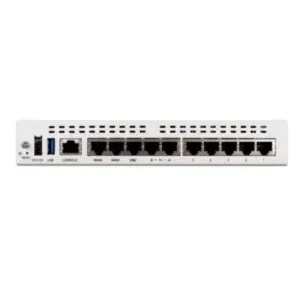
FortiGate 31G
A compact Fortinet firewall choice to review when the business needs an entry branch platform and wants to discuss token-protected access.
Configuration and Licence Assistance
Recommended when the buyer needs help matching user numbers, Fortinet platforms, implementation services, and regional procurement requirements.
Why Business Buyers Choose FourTeck
Authentication licences can look simple on a quotation, yet the purchasing decision involves user quantity, validating platform, activation workflow, migration restrictions, support scope, and regional coordination. FourTeck helps buyers connect these details before the order is placed.
FourTeck supports small and medium businesses, enterprises, public-sector teams, schools, healthcare organisations, financial institutions, NGOs, service providers, and system integrators. The goal is to help the customer buy a licence that can be deployed and supported, not simply send an order code without context. Buyers remain responsible for approving the final design, security policy, and technical implementation, while FourTeck helps make the procurement path clearer.
Frequently Asked Questions
What is the mobile token used for?
It generates one-time password values on a supported phone or Windows device for use as a second authentication factor. Organisations commonly apply it to FortiGate remote access, administrator accounts, and other services validated through FortiGate, FortiAuthenticator, or an appropriate Fortinet cloud identity platform.
Is FortiToken Mobile available for Africa projects?
FourTeck supports Africa-focused enquiries for electronic token licences, user-pack selection, quotations, and deployment discussion. Current availability depends on the exact FTM-ELIC quantity, supplier status, customer registration information, destination, and commercial terms. Contact FourTeck with the user count and validating platform for current guidance.
Does the application work without an internet connection?
After a token has been activated, the application can generate one-time password values without a mobile-data or Wi-Fi connection. Internet access is still relevant during activation and for push notification workflows. Buyers with users in low-connectivity areas should test the intended login process before full deployment.
Do I need FortiGate or FortiAuthenticator?
The mobile application is the user-side token and requires a suitable validation platform. It can be used directly with supported FortiGate deployments or managed through FortiAuthenticator. A Fortinet cloud identity service may also be appropriate. The best option depends on site count, applications, directories, user volume, and management needs.
Which licence quantity should my business buy?
Count the users who need a token, then include planned hires, contractors, and reasonable growth. Match the total to an available FTM-ELIC pack. Do not assume every employee needs a token unless the access policy requires it. FourTeck can help review the protected user groups and select a practical quantity.
Are the electronic token licences perpetual?
Current Fortinet ordering information describes device-managed FTM-ELIC token packs as perpetual licences. Cloud-managed identity services can follow a subscription model instead. The quotation should clearly state the order code, quantity, management model, and any support or service items so the buyer understands the commercial structure.
Can licences be moved to a replacement FortiGate?
Fortinet states that licence transfer between different devices is not allowed for device-managed FortiToken Mobile licences shipped on or after 4 August 2025. Buyers planning a firewall or FortiAuthenticator refresh should discuss migration before registration, because the transfer rule can influence the preferred architecture and purchase timing.
Can FourTeck help with configuration and rollout?
FourTeck can discuss configuration support, token registration, user assignment, activation planning, pilot testing, administrator handover, and related Fortinet architecture. The service scope should be defined separately from the electronic licence so both parties understand the deliverables, remote-access requirements, and support responsibility.
Can businesses request a bulk or multi-branch quotation?
Yes. Provide the total user quantity, deployment phases, branch locations, management platform, target dates, and required services. FourTeck can help organise a project quotation and identify whether separate token packs, a central FortiAuthenticator design, or a cloud-managed identity approach is more suitable for the rollout.
How do I request an accurate quote?
Send FourTeck the number of users, existing FortiGate or FortiAuthenticator details, intended login use case, preferred OTP or push method, country, target rollout date, and implementation needs. This information helps confirm the correct order code, licence quantity, service scope, and regional fulfilment path.
Need Help Choosing the Right Mobile Token Licence?
FourTeck can help review user quantities, Fortinet platform compatibility, activation requirements, migration concerns, support scope, and availability for your business location. Share the current environment and rollout target to begin a practical quotation discussion.
Reviews
There are no reviews yet.