

Grandstream DP760 DECT Repeater in Africa
Extend cordless voice mobility across offices, warehouses, clinics, hospitality sites, retail operations and multi-room business facilities. The DP760 works as a wireless relay station for compatible Grandstream DP Series DECT base stations, helping mobile users remain connected beyond the normal coverage zone of a single base. FourTeck helps buyers review compatibility, radio-region requirements, power options, placement, repeater quantity and project delivery before purchase.
Request QuoteCheck Africa Availability
Quick Product Information
Grandstream
DP760
Wideband DECT repeater / wireless relay station
Extending compatible cordless VoIP coverage
Up to 2 concurrent HD calls
802.3af Class 1 PoE or supplied 5V DC power adapter
Offices, healthcare, hospitality, retail, education, logistics and light industrial sites
Regional frequency and base compatibility must be confirmed
Selection, quote, delivery coordination and warranty guidance
Product Overview
Cordless voice systems are valuable because staff can answer and continue calls while moving through a workplace. The difficulty appears when the building is larger than the practical radio footprint of one DECT base station. Thick walls, reinforced floors, stock racks, machinery, lifts, long corridors and separated work zones can all reduce usable coverage. The Grandstream DP760 addresses this problem by repeating the DECT signal from a compatible Grandstream base station into an additional area. Instead of replacing the whole phone platform or installing fixed desk phones at every operating point, a business can plan one or more repeaters to improve mobility around the existing system.
The device is not an independent IP PBX and it is not a base station for SIP registration. Its role is more focused: it acts as a wireless relay station that extends the DECT radio environment of a supported base. That distinction matters during purchasing. A company still needs a compatible Grandstream DP Series base station, suitable cordless handsets, SIP accounts or PBX connectivity, a working network and an appropriate placement plan. The repeater then helps bridge the coverage gap so users can move farther while maintaining call continuity.
Under suitable radio conditions, each repeater can add up to 300 metres of range outdoors and up to 50 metres indoors. These are maximum figures measured under favourable conditions, not guaranteed distances for every site. Real results depend on the construction material, room layout, interference, antenna position, height, nearby electrical equipment and the relationship between the base, repeater and handset. A careful site survey or practical walk test is therefore more useful than choosing placement only from a floor plan.
For business operation, the DP760 relays up to two concurrent HD calls. This makes it appropriate for defined mobility zones where a small number of active handset users may be on calls at the same time. It also supports automatic or manual association, automatic region detection, seamless call handover, XML-based provisioning, firmware upgrades and status monitoring through its network connection. The Ethernet interface provides 10/100 Mbps connectivity with integrated PoE, allowing the unit to be positioned where signal coverage is strongest without requiring a nearby electrical outlet when suitable PoE is available.
FourTeck supports Africa buyers by turning these technical points into a practical deployment conversation. The team can help confirm the base-station model, regional radio requirements, expected number of calls, building shape, power method, network access, repeater quantity and relevant accessories. This reduces the risk of ordering a repeater that is placed incorrectly, paired with an unsuitable system or expected to solve a coverage problem that requires a different design such as a multi-cell DECT platform.
Key Business Benefits
The value of a repeater is measured by how well it supports real movement, call continuity and operational efficiency. The following benefits explain why the DP760 can be useful when a compatible single-base DECT installation needs more reach.
◆ Wider Staff Mobility
Employees can move beyond the original base-station coverage zone while remaining reachable on compatible cordless handsets. This is useful for supervisors, nurses, hotel operations teams, retail managers, school administrators, warehouse coordinators and service personnel who cannot stay beside a desk phone.
✓ Better Use of an Existing System
A coverage extension may be more practical than replacing a functioning Grandstream DECT deployment. Businesses can retain compatible base stations, handsets and call routing while adding radio reach where movement has grown beyond the original design.
● Flexible Power Placement
Integrated 802.3af PoE allows network power and connectivity to reach the repeater through one Ethernet cable. Where PoE is unavailable, the supplied universal power adapter provides another installation path. This flexibility can help installers choose a signal-friendly position rather than the closest wall socket.
↗ Seamless Call Handover
When the deployment is designed correctly, users can move between the base and repeater coverage areas without manually reconnecting the handset. Seamless handover supports a more natural calling experience during routine movement through corridors, rooms and operating zones.
⚙ Manageable Branch Deployment
XML provisioning, firmware upgrades, status monitoring and web-based network functions can support repeatable rollout practices. IT teams and integrators can maintain a clearer configuration process when multiple sites use similar Grandstream cordless communication layouts.
◇ Clear Operational Status
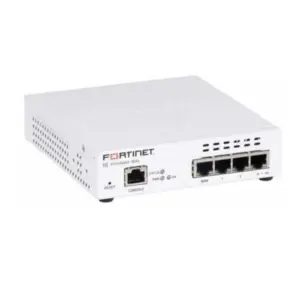
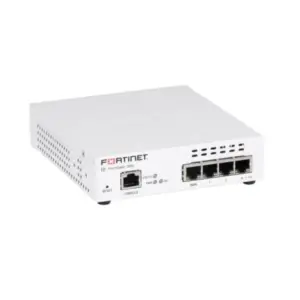
Five LED indicators show power, network, association, activity and DECT signal strength. These visual cues help installers understand whether the unit is powered, connected, associated and receiving an appropriate radio signal during setup and troubleshooting.
✓ Controlled Expansion
The platform supports up to five repeaters in a star arrangement according to the product specification. This gives a buyer a structured way to expand several directions from one compatible base, provided placement, capacity and local radio requirements are properly reviewed.
Product Highlights for Business Buyers
The DP760 combines radio extension, call relay, power flexibility and manageable deployment in a compact unit. Its most visible capability is the additional range: up to 300 metres outdoors and 50 metres indoors in favourable conditions. For a buyer, the important point is not simply the number. The repeater allows a cordless system to reach another practical operating zone, such as a stock area behind the main office, a group of hotel rooms beyond the lobby, a clinic corridor, a warehouse receiving section, a workshop floor or a separated administration wing.
The repeater handles up to two concurrent HD calls and uses the G.722 wideband codec for HD audio, with G.726 support for narrowband audio. Capacity should be considered carefully. A low-traffic coverage area may fit well, while a busy zone with many people speaking at once may need a broader multi-cell design. Correct sizing protects the user experience and avoids treating coverage distance as the only requirement.
Automatic and manual association provide options for different installation workflows. Automatic region detection helps the unit align with the associated environment, but the order route and local frequency requirements still need confirmation before purchase. Seamless call handover is valuable for users who walk between coverage areas while speaking. The five front indicators also support faster installation by showing the quality and state of power, network, association, activity and DECT signal.
The network port is a 10/100 Mbps auto-sensing Ethernet interface with integrated IEEE 802.3af Class 1 PoE. Supported network functions include HTTP and HTTPS, DHCP, DNS, SSH, TFTP, NTP, LLDP-MED and other common protocols. Security controls include separate user and administrator access, encrypted configuration files, HTTPS and 802.1X media access control. These functions do not replace a secure network design, but they help the repeater fit into a professionally managed voice environment.
Technical Specifications
| Specification | Grandstream DP760 Details |
|---|---|
| Brand and Model | Grandstream DP760 |
| Product Type | Long-range wideband DECT repeater / wireless relay station |
| Compatible System | Compatible Grandstream DP Series DECT base stations; exact base model, firmware and regional version should be confirmed before ordering |
| Additional Range | Up to 300 metres outdoors and up to 50 metres indoors under suitable conditions |
| Concurrent Calls | Relays up to 2 concurrent HD calls |
| Repeater Association | Automatic or manual association; up to 5 repeaters in star topology according to the specification |
| Radio Standards | DECT EN 301 406:2001, DECT GAP TBR22 EN 300 444:2001, DECT WRS EN 300 700 and CAT-iq TS 102 527 |
| Frequency Bands | 1880–1900 MHz Europe, 1920–1930 MHz US, 1910–1920 MHz Brazil; local compatibility and regional order route must be checked |
| Channels | 10 channels for Europe region; 5 channels for US and Brazil regions |
| Voice Codecs | G.722 for HD audio and G.726 for narrowband audio |
| Telephony Functions | Plug-and-play support, automatic association, automatic region detection and seamless call handover |
| Ethernet | One 10/100 Mbps auto-sensing Ethernet port with integrated PoE |
| PoE | IEEE 802.3af Class 1, approximately 0.44 W to 3.84 W |
| External Power | Universal input 100–240V AC, 50/60Hz; 5V DC 1A output through Micro-USB |
| Indicators and Buttons | Five LEDs for power, network, association, activity and DECT signal strength; reset and dissociation buttons |
| Network Protocols | TCP/IP/UDP, HTTP/HTTPS, ARP/RARP, ICMP, DNS, DHCP, PPPoE, SSH, TFTP, NTP, LLDP-MED and UPnP |
| Provisioning and Upgrade | Firmware upgrade through TFTP, HTTP or HTTPS; mass provisioning through AES-encrypted XML configuration file |
| Security Controls | User and administrator access levels, MD5 and MD5-sess authentication, 256-bit AES encrypted configuration file, HTTPS and 802.1X media access control |
| Dimensions | 28.5 × 130 × 90 mm |
| Weight | Repeater 143 g; power supply 50 g; packaged weight approximately 360 g |
| Operating Environment | Operation -10°C to 50°C; storage -20°C to 60°C; 10% to 90% non-condensing humidity |
| Package Content | Repeater unit, universal power supply, Ethernet cable, quick start guide and GPL statement |
| Availability and Warranty | Configuration and supply-route dependent; contact FourTeck for current options and warranty guidance |
How to Read These Specifications
The range figures describe the repeater capability under suitable conditions, not a guaranteed building radius. A buyer should treat the base model, radio region, expected simultaneous calls and physical layout as one connected decision. The repeater should receive a strong enough signal from the base while also reaching the intended handset zone. PoE may improve placement flexibility, but the Ethernet run, switch power budget and network policy still need review. Final compatibility should be confirmed against the selected Grandstream base station and firmware before approval.
Configuration and Buyer Guidance
Start by identifying the exact problem. Is the handset losing signal in one room, an entire floor, a detached work zone or a long corridor? A single weak corner may need different placement of the original base rather than another device. A separated operational area may benefit from a repeater, while a large multi-floor site with many concurrent calls may be better served by a multi-cell DECT platform. Defining the coverage target prevents the purchase from being based only on the published maximum range.
1. Confirm the Base Station
Provide the full Grandstream base model, hardware revision where available and current firmware. The repeater must associate with a supported DP Series environment, and compatibility should be checked before purchase.
2. Map the Coverage Gap
Share a simple floor plan, wall type, approximate distances and the areas where calls fail. Concrete, metal, lifts, refrigeration equipment and shelving can change the result significantly.
3. Estimate Call Traffic
The unit relays up to two concurrent HD calls. State how many users may be speaking in the extended zone at the same time, not only how many handsets are registered to the wider system.
4. Choose the Power Method
Confirm whether an 802.3af PoE switch or injector is available. Where local power is used, check outlet position, plug type, surge protection and backup requirements.
5. Verify the Radio Region
DECT frequencies differ by region. The supplied repeater, base station and local regulatory environment must align. Do not assume that a unit sourced from another market will be suitable.
6. Plan Future Expansion
Consider whether the extended zone will gain more users or call traffic. A repeater can solve a defined need, but a rapidly growing site may justify a different architecture.
Buyers should also confirm who will perform installation, whether firmware updates are required, how the unit will be mounted, whether the Ethernet segment allows management access and how the deployment will be documented. Warranty handling depends on the supply route, so the quotation should identify the expected support process. FourTeck can help organize these questions before commercial approval, which is especially useful for branch rollouts and project quantities where small configuration errors can be repeated across many locations.
Ideal Business Use Cases
The DP760 is most effective when a compatible cordless VoIP system already fits the organisation but one or more working areas sit outside reliable base coverage. It is not intended to replace a full wireless communications design for every large site. The strongest use cases are clear, contained extensions where mobile staff need dependable call access.
Office Floors and Department Wings
A base near reception may not reach meeting rooms, archives, training rooms or an operations wing. A correctly placed repeater can extend mobility for managers, administrators and support personnel while keeping the same extension structure.
Healthcare and Clinic Movement
Administrative staff, nurses, pharmacy desks and service teams may move through corridors and rooms where one base cannot maintain practical coverage. A coverage extension can help maintain internal and external call access, subject to site design and operational policies.
Hotels and Hospitality Operations
Front-desk, housekeeping, maintenance and duty-management users often work away from fixed phones. A repeater may support another corridor, service area or building section without creating a separate calling platform.
Warehouses and Logistics Areas
Receiving, dispatch, inventory and floor supervisors need to answer calls while moving. Strategic extension can reach a stock zone beyond the office, although metal racks and industrial equipment make a practical signal survey especially important.
Retail and Showroom Back Areas
A store manager or stock coordinator may move between the customer floor, office and storeroom. The repeater can help create a more consistent cordless voice zone without installing a fixed phone at every point.
Schools and Training Facilities
Administration, security, maintenance and department coordinators can remain reachable across a larger block when the site uses a compatible Grandstream DECT system and call demand is within the repeater capacity.
Workshops and Service Centres
Technicians and supervisors may need cordless access between a reception desk and repair area. Placement should avoid strong electrical interference, heavy machinery and enclosed metal zones that can weaken radio performance.
Residential and Mixed-Use Operations
Managed residences, gated property offices and mixed-use sites may use the repeater to cover an additional working area. The same business checks still apply: compatible base, correct region, expected calls and suitable placement.
The device is less suitable when the requirement involves many simultaneous conversations, complex roaming across several large buildings or complete redundancy. In those cases, buyers should discuss multi-cell DECT, Wi-Fi handsets, additional base architecture or another communication approach. FourTeck can help compare these paths so the proposed solution matches both present use and planned growth.
Grandstream DP760 Coverage Extension and Placement
Coverage planning is the most important part of a repeater project. The unit must sit in a position where it still receives a strong and stable DECT signal from the base while also reaching the target area. Placing it inside the existing dead zone usually fails because there is not enough source signal to repeat. A better approach is to walk from the base toward the weak area with a registered handset, identify the point where signal remains dependable and position the repeater within that overlap zone.
The five LED indicators are valuable during this process. Power and network indicators confirm the basic installation state, while association and DECT signal information help the installer evaluate pairing and radio quality. The final location should be tested with real calls, not only idle handset signal bars. Users should walk through the expected route, speak continuously and confirm that audio remains clear during handover.
Building materials can change the result dramatically. Reinforced concrete, metal doors, dense stock shelving, elevator shafts, refrigeration equipment, electrical panels and machinery can absorb or reflect radio energy. Open outdoor spaces may approach the published maximum more easily, while an indoor site may achieve a much shorter practical distance. Mounting height and orientation also matter. The most convenient low shelf may not be the best radio position.
PoE improves placement because the repeater can receive power over the Ethernet cable. Installers should still confirm cable length, switch standard, available PoE budget and whether the network port is configured for the required management access. Where the supplied adapter is used, the outlet should be stable, correctly earthed where applicable and protected according to the site power plan. For critical communication areas, the switch, base station and repeater power path should be considered together with UPS support rather than protecting only one device.
Grandstream DP760 Call Handover and Capacity
Seamless call handover is central to the user experience. A handset user should be able to move from the base coverage area into the repeated area without manually reconnecting or redialling. The repeater supports this movement when association, placement, firmware and radio conditions are correct. The benefit is practical: a supervisor can walk from an office to a stock area, a hotel employee can move along a service corridor, or a clinic administrator can continue a conversation between rooms.
Capacity deserves equal attention. The DP760 relays up to two concurrent HD calls. That does not mean the overall base system is limited to two calls; it means the repeater path has its own relay capacity. A buyer should estimate how many users may be speaking within the extended zone at the same moment. Five registered handsets may be perfectly suitable if only one or two are likely to be active. A busy support department with several simultaneous conversations may exceed the intended role of the repeater even when signal coverage is excellent.
The device supports G.722 wideband audio and G.726 narrowband audio for the repeated link. Perceived quality still depends on the complete voice path, including the handset, base station, network, PBX, SIP trunk and internet connection where relevant. The repeater cannot correct packet loss or poor upstream voice routing. It solves a DECT radio reach problem, so network and PBX quality must be assessed separately.
During acceptance testing, the installer should place two simultaneous HD calls through the repeated area, walk the expected routes and listen for dropouts, one-way audio or handover interruption. This validates both coverage and capacity under realistic use. For larger deployments, documentation should record the base association, repeater location, firmware, power source and tested coverage zone. These details make future support easier and help the business decide whether another repeater or a different architecture is required.
Grandstream DP760 Power, Provisioning and Management
The repeater offers two power routes. Integrated IEEE 802.3af Class 1 PoE allows a compatible switch or injector to provide power through the Ethernet connection. The documented PoE consumption range is approximately 0.44 W to 3.84 W, making the unit a light network load. The included universal adapter accepts 100–240V AC at 50/60Hz and provides 5V DC at 1A through Micro-USB. Buyers should confirm the supplied plug type and local power arrangement as part of the quotation.
PoE can simplify deployment, but it should be planned rather than assumed. The switch must support the required standard, have enough remaining power budget and connect to the correct network segment. For remote or branch sites, protecting the PoE switch with an appropriate UPS can keep the repeater operating during short power disturbances. When local power is used, the adapter and outlet need similar consideration. A repeater that loses power while the base remains active can create an unexpected coverage gap for mobile staff.
Management functions include firmware upgrades through TFTP, HTTP or HTTPS and mass provisioning through AES-encrypted XML configuration files. Common network services such as DHCP, DNS, NTP, SSH, HTTPS and LLDP-MED help the unit fit into an administered environment. Separate user and administrator access levels, encrypted configuration files and 802.1X support add useful controls. The IT team should still apply strong credentials, restrict management access and follow an approved firmware process.
For multi-site deployment, consistency is valuable. Use a standard naming method, record MAC addresses and locations, document the associated base, keep firmware versions aligned and retain a tested configuration. Automated provisioning can reduce manual work, but a pilot site should be validated before repeating the same settings across branches. FourTeck can help buyers identify which responsibilities belong to supply, installation, network administration and post-deployment support so the commercial scope is clear.
What Buyers Should Check Before Purchase
A product name alone is not enough to prepare a correct quotation. Before ordering, buyers should confirm the full communication environment, the specific coverage problem and the expected operating conditions. This protects the project from wrong regional versions, missing accessories, unrealistic range expectations and an undersized call path.
Configuration Fit
Share the exact base station, handset models, firmware, number of users and expected concurrent calls. Confirm whether the requirement is one weak room, one floor, an outdoor area or several separated zones.
Compatibility Check
Verify DP Series base support and regional DECT frequency compatibility. A unit sourced for another radio market may not be appropriate even when the model label appears identical.
Coverage Reality
Published distances are maximum values. Provide wall materials, floor count, machinery, lifts, shelving and approximate distances. Plan for a site test where the building is complex.
Power and Cabling
State whether PoE is available, which switch will supply it, where Ethernet cabling can reach and whether the communication equipment needs UPS protection.
Installation Scope
Decide whether the order covers hardware only, remote guidance, on-site placement, cabling, provisioning, firmware alignment, testing, documentation and user handover.
Availability and Warranty
Ask for current supplier status, expected delivery route, included accessories and warranty process. Do not assume that every regional package contains the same plug or support path.
Long-Term Usage Cost
Consider installation time, cabling, PoE switching, UPS capacity, support, firmware maintenance and future expansion. The lowest hardware figure may not represent the complete project cost.
Alternative Architecture
Ask whether a repeater is the right answer or whether a newer base, multi-cell DECT system or Wi-Fi handset design would better support many users, buildings or simultaneous calls.
Information to Send With a Quote Request
Provide the destination country, required quantity, Grandstream base model, handset models, current firmware where known, building type, floor plan or approximate distances, wall materials, expected active calls in the extended zone, preferred power method, installation scope and desired delivery timeline. FourTeck can use this information to review product fit and reduce avoidable changes after the order is approved.
Africa Availability and Service Support
FourTeck supports product inquiries across Africa with assistance for model selection, technical review, quotation preparation, delivery coordination and warranty direction. Availability can vary according to the radio-region version, supplier status, order quantity, destination, required accessories and requested services. The commercial team can help buyers distinguish the repeater hardware from the complete cordless voice solution so the quotation includes the correct base station, handsets, PoE equipment or installation services where required.
For a single-site purchase, FourTeck can review whether the DP760 is suitable for the stated coverage gap and whether one repeater is likely to meet the requirement. For multi-site or project supply, the team can help create a repeatable bill of materials, confirm regional compatibility, coordinate quantities and identify the information required for a pilot deployment. Buyers should avoid approving a large rollout before one representative site has been tested where building layouts are complex.
Warranty guidance depends on the final supply path and should be confirmed in the quotation. FourTeck can explain the expected process, documentation and support scope without assuming that all regions or suppliers follow the same policy. The goal is a clear buying decision that connects product capability with the real operating environment.
Africa Country and Regional Coverage
Businesses across Africa, including Kenya, Uganda, Nigeria, Ghana, Tanzania, Rwanda, Ethiopia, South Africa, Zambia, Botswana, Senegal and nearby business markets, can contact FourTeck for availability guidance, compatibility review and quotation assistance. The product may be relevant to branch offices, healthcare groups, hospitality operators, education networks, retail chains, logistics facilities, service organisations and system integrators that need to extend compatible cordless voice coverage.
Regional requirements can differ. Local radio rules, plug types, power conditions, supplier routes, import processes and warranty arrangements may influence the final recommendation. Buyers should therefore share the destination, base-station model and deployment environment before commercial approval. FourTeck can help compare the requested product with suitable alternatives when the correct regional version is unavailable or when a multi-cell system would better match the scale of the site.
For branch groups operating in several countries, a standard design can simplify support, but each location still needs a basic coverage and power review. A pilot installation, consistent firmware, documented placement and a clear bill of materials can reduce deployment differences. Use the Africa product enquiry page to share the project scope and receive guidance on the next purchasing step.
GCC, Middle East and Africa Availability
FourTeck can support regional technology inquiries for organisations that coordinate purchasing across Africa, the GCC and wider Middle East markets. A company may want a consistent cordless communication approach across several offices while still respecting local radio versions, power accessories, supplier channels and warranty processes. The DP760 can form part of that plan when each site uses a compatible Grandstream DP Series base and the repeated call capacity fits the operational need.
Regional availability is not identical in every country. The correct quotation should confirm product version, included adapter, expected lead time, delivery responsibility, project quantity and support scope. Organisations operating in the UAE, Saudi Arabia, Qatar, Oman and Bahrain should also confirm the applicable DECT band and local compliance before transferring a design from another market.
Connected FourTeck channels can assist buyers with regional coordination: FourTeck Africa, FourTeck UAE, FourTeck Kenya and FourTeck Uganda. Use the appropriate channel to request product guidance based on the destination and deployment scope.
Other Grandstream Options Buyers May Consider
A repeater is one part of a cordless voice system. Buyers may also need a compatible base, additional handsets or a different architecture. The options below are presented as planning references; final compatibility, availability and firmware support should be checked before purchase.
Grandstream DP750 Base Station
A DECT VoIP base option commonly associated with the DP760. Consider it when the existing deployment already uses DP750-compatible handsets and the required capacity fits the base design.
Grandstream DP752 Base Station
A newer DP Series base platform for compatible cordless handsets. Review handset count, SIP accounts, concurrent calls, firmware and repeater support as a complete system.
Grandstream DP755 Base Station
A higher-capacity DP Series base choice for broader handset and account requirements. Confirm exact repeater pairing, radio version and current firmware before design approval.
Grandstream DP720 Handset
A compatible cordless handset used in many DP Series deployments. Check battery condition, base support, firmware, user features and quantity for the planned coverage zone.
Grandstream DP730 Handset
A business cordless handset option for users who need mobility and practical telephony features. Validate base compatibility and coverage expectations as part of the complete system.
Multi-Cell DECT Alternative
For many active users, several buildings or complex roaming, a multi-cell system may provide better capacity and design control than extending a single base with repeaters.
Why Buyers Choose FourTeck
Business communication products work best when the hardware choice is connected to the site design, network, power environment and support expectations. FourTeck focuses on that complete buying conversation. Instead of treating the DP760 as a generic accessory, the team can help identify the base station, handset mix, regional radio requirement, expected call traffic and coverage challenge that define whether the repeater is suitable.
Assistance with product sourcing conversations for single units, branch needs, reseller requirements and project quantities.
Review of base compatibility, radio region, power method, placement, expected calls and related accessories.
A clearer quotation process based on destination, quantity, configuration, services and delivery requirements.
Support for discussing delivery routes and practical procurement requirements without making unconfirmed stock promises.
Guidance on the warranty process and supply route reflected in the final commercial offer.
Help comparing repeaters, base stations, handsets, PoE accessories and multi-cell alternatives for the same requirement.
FourTeck supports SMB buyers, enterprise procurement teams, system integrators and multi-site organisations. The level of support can be aligned with the project, from hardware quotation to pre-sales review and deployment planning. Buyers remain responsible for approving the final technical and commercial scope, while FourTeck provides practical information to help reduce wrong selection, missing accessories and unclear expectations.
Frequently Asked Questions
What is the Grandstream DP760 used for?
It is a wideband DECT repeater that extends the radio coverage of a compatible Grandstream DP Series base station. It is useful when cordless handset users need to move into rooms, corridors, outdoor areas or operational zones that sit beyond the reliable reach of the original base. It does not replace the base station or PBX.
How much additional range can it provide?
The published maximum extension is up to 300 metres outdoors and up to 50 metres indoors under suitable conditions. Actual results depend on walls, floors, metal structures, machinery, interference, mounting position and the strength of the signal received from the base. A site test is recommended for complex buildings.
How many calls can pass through the repeater?
The DP760 relays up to two concurrent HD calls. Buyers should count the users likely to speak at the same time inside the extended zone, not only the total number of registered handsets. A high-traffic department may require a different DECT architecture even when one repeater covers the physical area.
Does it work with every Grandstream cordless base?
It is designed for compatible Grandstream DP Series DECT base stations, but the exact model, firmware and regional radio version should be confirmed before purchase. Provide FourTeck with the full base-station model and deployment country so compatibility can be reviewed against the proposed supply route.
Can the repeater be powered through Ethernet?
Yes. The Ethernet port supports IEEE 802.3af Class 1 PoE, allowing data and power through one cable from a compatible switch or injector. The package also includes a universal power supply with 5V DC output through Micro-USB. Confirm the intended power method, plug type and backup plan before installation.
How many DP760 repeaters can be associated?
The product specification lists support for up to five repeaters in a star arrangement. The practical design still depends on the base model, firmware, radio overlap, call capacity and site layout. Each repeater should be planned and tested rather than placed only according to maximum distance figures.
Is the DP760 available for Africa projects?
FourTeck can support Africa-focused inquiries, but availability varies by regional version, supplier status, destination, quantity and requested services. The correct DECT frequency is especially important. Send the deployment country, base model, quantity and required timeline to request current guidance and a suitable quotation.
Can FourTeck help with placement and configuration?
FourTeck can help review placement factors, base compatibility, network and power requirements, provisioning expectations and installation scope. The final service level depends on the quotation and location. For accurate guidance, provide a floor plan or approximate layout, wall materials, current signal problem and expected simultaneous calls.
What should I include in a bulk or project request?
Include destination, quantity, base and handset models, firmware where known, number of sites, floor plans, expected call traffic, PoE availability, required accessories, installation scope and delivery schedule. A pilot site is advisable before a large rollout because building construction and radio conditions can differ between locations.
When should a buyer choose a multi-cell system instead?
Consider multi-cell DECT when the site has many active callers, several large floors, separate buildings, complex roaming or a strong need for wider capacity and resilience. A repeater is excellent for a defined extension, but it should not be forced into a role that exceeds its two-call relay capacity or single-base design.
Need Help Planning Your DECT Coverage?
FourTeck can help you review base-station compatibility, regional radio version, repeater placement, call capacity, power options, delivery requirements and warranty guidance. Share your site layout, destination and quantity for a practical buying discussion.
Reviews
There are no reviews yet.