

Grandstream UCM6300A Audio IP PBX in Africa
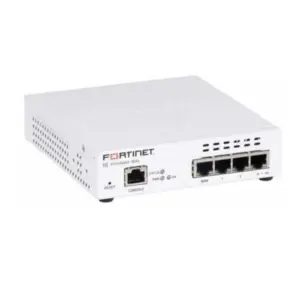
Build a structured business voice platform for up to 250 users and 50 concurrent calls with a compact, SIP-focused appliance designed for centralised call control, collaboration and remote connectivity. The UCM6300A brings extensions, call routing, voicemail, queues, interactive voice response, audio meetings, instant messaging and endpoint management into one manageable environment. It is particularly relevant to organisations moving from fragmented telephone arrangements to an IP-based system that can support office users, branches and mobile teams without requiring a large rack installation.
Request QuoteCheck Africa Availability
Quick Product Information
Grandstream
UCM6300A
Audio IP PBX appliance
Up to 250 users and 50 concurrent calls
SIP based; no built-in FXS or FXO ports
Desktop or wall mount
SMBs, institutions, service teams and branches
Availability and warranty terms depend on source and order
Product Overview
The Grandstream UCM6300A is an on-premise audio communications controller for organisations that need more control than a basic hosted extension package but do not require the analogue interfaces or larger capacity of higher models in the UCM6300 Audio family. It sits at the centre of an IP telephony deployment and manages user extensions, SIP trunks, inbound and outbound routes, ring groups, call queues, voicemail, conferencing, call recording policies, schedules, interactive voice menus and other day-to-day calling functions. Because the platform is based on open SIP standards, it can form the core of a flexible communications environment using compatible IP phones, soft clients, gateways and service-provider trunks.
For a business buyer, the main value is consolidation. Instead of maintaining separate systems for reception routing, departmental queues, voicemail, mobile users and meeting access, the appliance provides one administration point. This can make it easier to apply dial plans, user permissions and operating-hour rules consistently. The 250-user limit offers room for a sizeable workforce, while 50 concurrent G.711 calls provide a practical ceiling for many small and mid-sized organisations. Capacity planning should focus on simultaneous activity rather than the extension count alone. A company may have 200 registered users but only 20 to 30 calls at peak time, while a call-intensive customer service operation with fewer users may approach the call limit much sooner.
The UCM6300A is intentionally SIP focused. It does not include integrated FXS ports for analogue telephones or FXO ports for traditional public telephone lines. This is an advantage for buyers building a clean IP environment because they are not paying for interfaces they will not use. It also means that legacy equipment must be planned carefully. Analogue lines, fax machines, door phones, paging equipment or older handsets may require compatible analogue telephone adapters or VoIP gateways. FourTeck can help review these dependencies before quotation so that the order includes the correct supporting equipment rather than only the PBX appliance.
The platform also fits hybrid work arrangements through the Wave application and compatibility with UCM RemoteConnect. Users can communicate from supported desktop, browser and mobile environments, subject to network design, service configuration and applicable platform terms. For administrators, Grandstream ZeroConfig and GDMS compatibility can simplify provisioning and oversight of supported endpoints. This combination makes the appliance suitable for businesses that want local control over core call handling while still accommodating distributed users and centrally managed devices.
Key Business Benefits
A business telephone platform should be judged by how it improves communication flow, supports continuity and reduces administrative friction. The following benefits explain where this appliance can create practical value when it is matched to the right call profile and network environment.
◆ Centralised call control
Reception rules, extension permissions, call queues, voicemail, office schedules and routing policies can be managed from one platform. This helps organisations maintain a consistent caller experience while reducing the need to configure separate tools for each department.
◆ Capacity for growth
Support for up to 250 users gives growing companies room to add staff, departments or branch extensions without replacing the core system too early. Growth planning should still consider peak concurrent calls, trunk channels and network bandwidth.
◆ Better caller handling
Multi-level IVR, ring groups, queues, time conditions and voicemail-to-email can help route enquiries to the correct team. This is useful for organisations that want to reduce missed calls and avoid relying on one receptionist for every communication path.
◆ Remote-user flexibility
Wave and UCM RemoteConnect compatibility provide options for users who work away from the main office. Correct licensing or service entitlement, firewall policy, identity controls and internet quality should be confirmed during deployment.
◆ Easier endpoint rollout
ZeroConfig provisioning can reduce repetitive setup for supported Grandstream SIP endpoints. Standard templates help IT teams apply accounts, codecs and selected preferences consistently, especially when multiple phones are being deployed at one time.
◆ Integration potential
A full API is available for compatible third-party platforms and applications, including CRM and property-management use cases. Integration scope depends on the external application, available connector, implementation partner and required workflow.
These benefits are strongest when the solution is designed around actual business processes. Call routing must reflect departmental responsibility, user profiles should follow job roles, and trunk capacity should match busy-hour demand. A well-planned configuration can make the system feel simple to users even though it supports a broad set of functions behind the scenes.
Product Highlights
The UCM6300A combines call-processing capacity, collaboration functions and network connectivity in a compact enclosure. It supports up to 250 registered users, 50 concurrent G.711 calls and 50 concurrent SRTP calls. Meeting capability allows unlimited room definitions, with up to three simultaneous public rooms and a combined maximum of 50 participants across active rooms. These figures make the appliance suitable for general office communications, while organisations with heavy contact-centre traffic or larger conference requirements should assess the higher-capacity models.
Self-adaptive ports can operate in switched, routed or dual modes and include integrated PoE+ support.
Broad codec support and packet-loss resilience help maintain voice quality across properly engineered networks.
Secure boot, unique certificates, random default passwords and encrypted management or media protocols strengthen the deployment baseline.
The appliance can be administered locally and is compatible with GDMS for supported setup, monitoring and troubleshooting workflows.
The front-panel 320 × 240 colour LCD with touch controls provides local status access, while USB 3.0 and an SD card interface support peripheral and storage-related functions according to system configuration. The platform is based on Asterisk version 16 and supports a wide range of SIP, network and quality-of-service standards. It also offers call-centre functions such as configurable queues and automatic call distribution based on agent skills, availability or workload.
A notable buying point is the absence of built-in analogue interfaces. This model is not a direct replacement for an old PBX that depends on copper trunks and analogue extensions unless gateways are added. Buyers using only SIP trunks and IP phones may appreciate the clean design, while mixed environments should budget for integration hardware, cabling and deployment services.
Technical Specifications
When selecting the correct configuration, start with the busiest hour rather than the total number of employees. Estimate simultaneous internal calls, external calls, queue traffic, meetings and remote sessions. Confirm whether the SIP provider supplies enough channels and whether internet links have adequate upstream bandwidth. The LAN should support voice VLANs, suitable quality-of-service policy, reliable PoE switching for phones and resilient power. Businesses with analogue requirements should identify each line and endpoint separately so the correct gateways can be specified.
Configuration and Buyer Guidance
A model number alone does not define a complete telephone system. The PBX is the control point, but the finished solution also depends on handsets, SIP trunks, switching, power, cabling, remote-access design, numbering plans and deployment support. A structured requirement review helps avoid capacity problems and missing accessories.
How many active callers?
Count peak simultaneous calls, not only extensions. Include reception, sales, support queues, outbound campaigns, branch calls, meetings and call recording activity.
Which trunks are required?
Confirm SIP trunk providers, channel limits, assigned numbers, emergency calling rules and failover options. Traditional lines require an external gateway.
What phones will connect?
List desk phones, cordless units, conference devices, soft clients, analogue endpoints, door stations and paging equipment. Compatibility and power requirements may differ.
How resilient must it be?
Plan UPS protection, network redundancy, trunk failover, backup routines and recovery procedures. High-availability features should be designed and validated for the specific deployment.
Buyers should also identify any regulatory or operational requirements for call recording, data retention, consent prompts and access control. Recording every call can increase storage and backup requirements. Remote workers may need headsets, secure internet access and clear support procedures. Branch locations may require local survivability or alternate routing if the wide-area link fails.
FourTeck can use this information to help prepare a more accurate bill of materials. A useful request includes employee count, peak call estimate, preferred phone models, number of branches, analogue dependencies, SIP provider, rack or wall space, power environment and target implementation date. Providing these details early reduces revisions and makes it easier to distinguish between the UCM6300A and higher-capacity alternatives.
Ideal Business Use Cases
This appliance suits organisations that need a structured voice platform without the larger capacity or integrated analogue ports found on other models. The strongest use cases combine moderate user scale with a preference for SIP trunks, IP phones and central administration.
Professional offices
Legal, accounting, consulting and engineering teams can organise direct extensions, reception routing, voicemail, hunt groups and remote-user access while maintaining central control over business numbers.
Schools and training centres
Administrative offices, departments, reception points and staff rooms can share one dial plan. Paging or analogue devices may require additional compatible equipment and must be included in the design.
Clinics and healthcare offices
Appointment lines, reception queues, internal extensions and after-hours messages can be coordinated centrally. Privacy, call recording and continuity policies should be set according to local requirements.
Retail and service operations
Head office, branches and customer service teams can use consistent numbering and routing. The network design must account for site-to-site connectivity, local emergency procedures and internet reliability.
Hotels and guest services
The available API and property-management integration potential can support hospitality workflows where a compatible solution exists. Guest-room analogue phones commonly require gateways or a different model with suitable interfaces.
Distributed project teams
Wave clients and remote-connectivity options can help office and mobile users communicate through a shared business platform. Identity, service plans, bandwidth and endpoint policy must be configured properly.
The model is less suitable when a project requires more than 250 users, sustained traffic near 50 simultaneous calls, a large contact centre, substantial video-conferencing capacity or many built-in analogue interfaces. In those situations, a higher UCM model or a different architecture may provide better headroom. FourTeck can help compare options using measured requirements rather than selecting solely by headline capacity.
Grandstream UCM6300A Call Processing and Collaboration
The first major strength of the platform is the way it combines traditional PBX functions with modern collaboration tools. A business can create extensions, inbound routes, outbound rules, ring groups, call queues, voicemail boxes, time schedules and multi-level IVR menus within one administrative environment. These functions are not only technical features; they determine how quickly callers reach the correct person and how effectively the organisation handles demand during busy periods.
For example, a service company can route new enquiries to a sales queue, existing-customer calls to support and billing questions to finance. Time conditions can send after-hours calls to an announcement or duty extension. Voicemail-to-email can help staff respond even when they are not at their desk. Skills-based or availability-based call distribution can support teams that need more than a simple sequential ring pattern. The system also supports call park, transfer, pickup groups, paging, intercom, follow-me rules, blacklists and whitelists, giving administrators multiple ways to reflect real workflows.
The meeting and messaging functions extend the system beyond desk-phone calling. The UCM6300A can define unlimited meeting rooms, with up to three simultaneous public rooms and 50 combined participants. The Wave app supports communication through compatible desktop, browser and mobile environments. This can be valuable for managers, travelling staff and hybrid workers who need access to their business extension without carrying a separate desk phone.
Deployment quality depends on planning. A meeting participant consumes processing and bandwidth, while call recording adds storage activity. A company that expects frequent 40-person meetings, high queue traffic and extensive recording should test capacity assumptions carefully. The system can support a broad feature set, but not every maximum should be treated as independently available at the same moment. FourTeck can help translate call patterns into a realistic design with appropriate headroom.
Grandstream UCM6300A Remote Work and Endpoint Management
A modern communications platform must support users who are not always connected to the office LAN. The UCM6300A works with the Wave application and supports UCM RemoteConnect, creating options for employees who need to make and receive business calls, access contacts, use messaging and join meetings from supported remote devices. This allows an organisation to maintain one extension plan and caller identity across office and mobile working arrangements.
Remote access should not be treated as a switch that is simply turned on. The design should confirm which users are eligible, what devices they may use, how accounts are protected, whether multi-factor controls are available in the chosen service workflow and how lost devices are handled. Internet quality at both the office and user location affects call performance. Packet loss, latency and jitter can cause audio problems even when the PBX itself is operating normally. Headsets, Wi-Fi conditions and background traffic also influence the experience.
For supported Grandstream endpoints, ZeroConfig can reduce the work required to deploy phones. Administrators can discover devices and apply account settings or templates rather than programming each handset manually. This is particularly useful for multi-phone projects, replacement rollouts and standardised departments. GDMS compatibility adds a central interface for supported provisioning, monitoring, firmware and troubleshooting tasks, helping IT teams maintain visibility across deployed devices.
The practical benefit is lower operational effort, not the removal of all administration. Firmware policies, configuration backups, user changes, certificate management and endpoint lifecycle decisions still require ownership. Businesses should identify who will administer the system after installation and how changes will be approved. FourTeck can help buyers define endpoint quantities, compatible phone families, remote-user needs and management expectations before equipment is ordered.
Grandstream UCM6300A Security, Network Design and Reliability
Voice systems carry sensitive information and often connect to public networks, so security must be part of the initial design. The appliance supports secure boot, a unique device certificate and a random default password. It also supports encrypted protocols such as SRTP for media, TLS for signalling, HTTPS and SSH for management, and 802.1X for network access control. These capabilities provide building blocks, but the final security level depends on how accounts, trunks, firewalls and user privileges are configured.
Administrators should replace default credentials, limit management access, separate voice traffic where appropriate and permit only required services. SIP trunks should use provider-supported authentication and encryption. International calling permissions need careful control because compromised extensions can create financial exposure. Logs and call-detail records should be reviewed, and firmware updates should follow a tested maintenance process. Remote extensions require additional attention because they operate outside the trusted office network.
Network quality is equally important. The three Gigabit interfaces support switched, routed or dual deployment modes and integrated PoE+. Voice VLANs and quality-of-service rules can help prioritise real-time traffic over large downloads or backups. Reliable DNS, time synchronisation and internet connectivity support registration and certificate functions. Where calls are business critical, the PBX, switches, routers and internet termination equipment should be protected by a correctly sized UPS.
The UCM6300 Audio family includes support for hot-standby high availability and local dual deployment. Whether those features fit a particular UCM6300A project should be confirmed along with required licensing, topology and implementation support. Resilience also includes configuration backups, spare endpoints, alternate trunk routes and documented recovery procedures. FourTeck can help buyers identify these needs and determine whether the proposed architecture matches the organisation’s acceptable downtime and support resources.
What Buyers Should Check Before Purchase
Before requesting a quote, buyers should confirm the required configuration, usage environment, compatibility needs, support expectations and delivery location. The most important question is whether the UCM6300A matches the communication pattern, not simply whether its extension count exceeds the number of employees. A well-prepared requirement helps avoid wrong model selection, missing gateways, insufficient trunk channels and unexpected deployment work.
Configuration fit
Confirm registered users, peak simultaneous calls, queue agents, meeting size, recording volume and expected growth. Organisations approaching the 50-call limit should consider additional headroom.
Compatibility check
List SIP providers, phone models, soft clients, paging devices, door stations, fax machines and analogue lines. The appliance has no built-in FXS or FXO interfaces.
Network and power
Review PoE switching, VLANs, QoS, firewall rules, internet bandwidth, rack or wall location, ventilation and UPS runtime for the complete voice system.
Quote preparation
Provide quantities, target schedule, delivery destination, warranty expectations, installation scope, remote-user count, trunk details and any required accessories or training.
Buyers should ask whether the quote covers only hardware or also includes endpoint provisioning, dial-plan creation, SIP trunk setup, migration, testing, administrator handover and post-deployment support. These services can materially affect project cost and outcome. They should also confirm what is included with remote connectivity, whether a service plan or subscription is required and who will manage renewals.
For replacement projects, document the current telephone numbers, call flows, opening hours, hunt groups, auto-attendant messages and legacy devices. For new sites, decide who answers each type of call and how unanswered calls should be handled. Bulk and multi-site projects benefit from standard handset profiles, naming conventions and staged deployment. FourTeck can help review these points and suggest a suitable model or alternative when the UCM6300A does not provide enough capacity or the required physical interfaces.
Africa Availability and Service Support
FourTeck supports business enquiries for this audio IP PBX with assistance covering model selection, capacity review, compatible endpoint planning, quote preparation, delivery coordination and warranty guidance. Availability may vary according to supplier status, order quantity, selected accessories and destination. A quotation should therefore be based on the complete requirement rather than an assumed standard bundle.
For a useful review, buyers should share the expected number of users, peak calls, remote staff, branches, SIP trunk provider and existing telephone equipment. FourTeck can help identify whether analogue gateways, IP phones, PoE switches, headsets, UPS protection or deployment services are needed. The team can also help distinguish between this model and higher-capacity UCM6300 Audio options when the project requires more extensions, calls, meeting participants or integrated analogue ports.
Delivery coordination is assessed according to country, address, shipment size and current sourcing route. Warranty coverage and return procedures can differ by source and region, so terms should be confirmed in the formal offer. Businesses planning a phased rollout can request guidance for pilot quantities, expansion units and compatible accessories. This approach gives procurement teams a clearer view of the full solution and reduces the risk of purchasing a PBX without the infrastructure needed to deploy it successfully.
Africa Country and Regional Coverage
Businesses across Africa, including Kenya, Uganda, Nigeria, Ghana, Tanzania, Rwanda, Ethiopia, South Africa, Zambia, Botswana, Senegal and nearby regional markets, can contact FourTeck for product availability, configuration guidance and quote assistance. Support is intended for procurement teams, IT managers, integrators, resellers, schools, clinics, hospitality operators and commercial organisations that need a clearly defined business communications solution.
Regional requirements can vary. Some projects rely entirely on SIP trunks and IP phones, while others must retain public telephone lines, fax equipment or analogue guest-room handsets. Power conditions, internet quality, import procedures, local carrier services and implementation resources may also influence the final design. FourTeck can help buyers document these factors and prepare a suitable equipment list before supply.
For country-specific assistance, buyers may review the FourTeck Kenya technology platform or the FourTeck Uganda technology platform where relevant. Final availability, delivery route, taxes, warranty handling and service scope should be confirmed in the quotation. Providing the destination city, quantity and project timeline allows the team to assess sourcing and coordination more accurately without relying on unverified stock assumptions.
GCC, Middle East and Africa Availability
FourTeck Africa can support product enquiries for organisations across Africa while also guiding regional technology requirements through selected FourTeck platforms serving GCC and Middle East markets. Enquiries may include projects connected with the UAE, Saudi Arabia, Qatar, Oman or Bahrain as well as African operations. Availability, delivery options, warranty handling and configuration support vary according to the destination, product source, quantity and implementation scope.
Regional companies with offices in more than one market should standardise their extension plan, phone models, security policy and support responsibilities where practical. They should also verify local carrier compatibility, emergency-calling procedures and number-porting rules. A common PBX platform can simplify administration, but each site may have different internet quality, SIP provider requirements and power conditions. Gateway needs must be reviewed individually when analogue trunks or devices remain in use.
Buyers seeking wider regional sourcing guidance can visit the FourTeck UAE platform. The correct FourTeck channel will depend on the delivery destination and commercial requirement. A regional quotation should state quantities by location, required accessories, preferred support scope and target delivery dates so that the team can assess the most appropriate supply path.
Other Grandstream Options Buyers May Consider
The correct model depends on capacity, analogue connectivity, meeting demand and growth expectations. The options below are useful reference points for buyers comparing systems within the same product family or planning compatible endpoints.
Grandstream UCM6302A
Consider this model when the project needs more user and call capacity plus integrated analogue interfaces. It is suitable for mixed IP and legacy environments that require a step above the entry audio model.
Grandstream UCM6304A
A stronger choice for larger deployments that need additional users, higher concurrent-call capacity and more analogue ports. Capacity planning should include growth, queues and meeting activity.
Grandstream UCM6308A
Designed for substantially larger audio deployments, with more extensions, calls, meetings and integrated analogue connectivity. It is relevant to enterprise, campus and high-volume environments.
Grandstream GRP2612W IP Phone
A compatible endpoint category to consider for office users who need a managed SIP desk phone. Final phone selection should reflect line keys, Wi-Fi, PoE, headset and display requirements.
A higher model is not automatically the correct purchase. It may add capacity or analogue interfaces that a SIP-only deployment does not need. Conversely, choosing the smallest system with no headroom can create an early replacement requirement. FourTeck can help compare the expected peak calls, user growth, interface needs and support model so the selected platform fits the project rather than only the current employee count.
Why Buyers Choose FourTeck
Business communications projects often fail because the purchase is treated as a single-box transaction. FourTeck approaches the enquiry as a solution requirement. The team can help buyers examine user numbers, call patterns, analogue dependencies, endpoint quantities, network readiness, power protection and implementation scope before a quotation is prepared.
Guidance on current supply options, project quantities and suitable alternatives.
Review of capacity, trunks, phones, gateways, remote users and accessories.
A clearer bill of materials based on the stated operational requirement.
Assessment of destination, quantity, sourcing route and shipment requirements.
Clarification of available warranty terms and support procedures before purchase.
Selection support for IP phones, switches, gateways, headsets and power protection.
This support is relevant to first-time VoIP buyers and experienced IT teams. A first-time buyer may need help understanding trunks and extensions, while an experienced integrator may need assistance with regional sourcing and project quantities. In both cases, the objective is to make the commercial offer reflect the technical reality.
FourTeck does not rely on unverified stock, delivery or warranty claims. Supply terms are confirmed for the specific request. Buyers receive better guidance when they provide complete information, including destination, quantity, target date, user count, peak calls, preferred phone models and any existing equipment that must be retained. This collaborative approach helps reduce changes after ordering and supports a smoother deployment plan.
Frequently Asked Questions
What is the UCM6300A used for?
It is an audio IP PBX that manages business extensions, SIP trunks, call routes, voicemail, ring groups, queues, interactive voice response, meetings and remote-user communication. It is intended for organisations that want central control of a SIP-based telephone system for up to 250 users and 50 concurrent calls.
Does it support analogue telephone lines or handsets directly?
No. The UCM6300A has no built-in FXO ports for traditional telephone lines and no FXS ports for analogue phones or fax devices. Businesses that must retain analogue equipment should add compatible gateways or consider another UCM6300 Audio model with the required interfaces.
How many users and calls can it handle?
The published platform limit is 250 users and 50 concurrent G.711 calls, including up to 50 concurrent SRTP calls. Real-world sizing should also account for meetings, recording, codecs, queue traffic, remote users and future growth. Buyers who expect sustained peak activity near the limit should consider additional headroom.
Can remote employees use the system?
Yes. The platform works with the Wave application and supports UCM RemoteConnect for compatible remote communication and management workflows. The final setup depends on service entitlement, security policy, firewall configuration, user devices and internet quality. These requirements should be reviewed before deployment.
Can FourTeck help select IP phones and accessories?
Yes. FourTeck can help review user roles, line-key requirements, PoE, Wi-Fi, cordless coverage, conference devices, headsets, gateways and UPS protection. Phone selection should be matched to the job function rather than using one model for every user without considering reception, management and call-centre needs.
Is the Grandstream UCM6300A available in Africa?
FourTeck supports regional enquiries and can check current sourcing options for the required quantity and destination. Availability, delivery timing, warranty terms and final configuration vary by source and project. Contact the team with your delivery location, quantity and required accessories for a current quotation.
What information should be included in a quote request?
Provide the number of users, peak simultaneous calls, SIP trunk details, phone quantities, remote-user count, branch locations, analogue lines or fax devices, target deployment date and delivery destination. Also state whether installation, configuration, migration, training or post-deployment support is required.
Does the system support call queues and auto attendant?
Yes. It supports configurable call queues, automatic call distribution, ring groups, time schedules and multi-level IVR. These features can route callers by department, opening hours or agent availability. Effective configuration requires a documented call flow and clear ownership of each queue and destination.
What warranty guidance is available?
Warranty terms depend on the supplier, destination and commercial offer. FourTeck can clarify the available coverage, return procedure and support route before purchase. Buyers should keep serial-number records, packaging and proof of purchase and should confirm whether installation services include configuration backup and handover documentation.
Can businesses request bulk or multi-site supply?
Yes. Bulk and multi-site enquiries can be assessed using quantities by location, phone profiles, accessory requirements, rollout stages and target dates. Standardising models and templates can simplify deployment, but each site should still be checked for carrier compatibility, network readiness, power protection and local support requirements.
Need Help Choosing the Right IP PBX Configuration?
FourTeck can help you review call capacity, SIP trunks, compatible phones, analogue gateway needs, remote-user requirements, warranty guidance and delivery coordination for your organisation. Send the project details to receive a structured quotation.
Reviews
There are no reviews yet.