

FortiGuard Application Control Service in Africa
Give your security team clearer insight into the applications using business bandwidth and crossing FortiGate policies. FortiGuard Application Control is designed for organisations that need application-aware visibility, policy enforcement and reporting across offices, branches, data centres and segmented networks. It helps administrators move beyond basic rules based only on addresses, ports and protocols by identifying application behaviour and applying actions that match business risk, user roles and acceptable-use requirements.
FourTeck supports the buying process with service-entitlement review, FortiGate model matching, contract and renewal guidance, configuration planning and quotation assistance. The correct purchase depends on the protected appliance, FortiOS environment, support contract, bundle, service term and operational requirement. This page helps procurement and technical teams prepare those details before requesting a formal quote.
◆ Granular Policy Control
⚙ License Matching Support
↗ Africa Quote Assistance
Request Quote
Check Africa Availability
Quick Product Information
Product Overview
Modern business traffic rarely fits into simple network rules. Collaboration suites, file-sharing platforms, remote support tools, cloud accounting systems, social applications, streaming services, software update mechanisms and emerging generative services may all use common web ports. A conventional rule that permits web traffic can therefore allow many different applications without giving the administrator enough context to separate approved business activity from unwanted, risky or bandwidth-heavy use.
FortiGuard Application Control addresses that gap by providing application signatures and categories that FortiGate can use inside an Application Control profile. Administrators can build policies that monitor traffic, allow specific business tools, block high-risk applications, restrict selected categories or apply different treatment to different user groups and network segments. Fortinet also supports custom application handling for specialised requirements, which is useful when an organisation relies on internal tools or less common business systems that are not handled adequately by a broad category rule.
The service is not a separate physical appliance. Its value is realised through a compatible FortiGate environment, current service entitlement, suitable FortiOS configuration and firewall policies that actually apply the required security profile. For that reason, procurement should not be separated from deployment planning. A buyer must confirm which firewall will consume the service, whether the device is already registered, which support or security bundle is active, when the existing term expires, and how application rules will be tested before enforcement.
Current Fortinet ordering approaches may place Application Control updates within support contracts and broader security bundles, while buyers can still encounter older descriptions that refer to a dedicated subscription. The practical requirement is to validate the entitlement available for the exact appliance and contract rather than assume that every FortiGate, software image or purchase route is identical. FourTeck helps review those commercial and technical details so the quotation reflects the real environment.
For Africa-based organisations, application control can support governance across distributed branches, improve visibility for small IT teams, reduce avoidable bandwidth pressure and help apply consistent rules where cloud services are central to daily work. FourTeck can assist new firewall buyers, organisations preparing a renewal, teams standardising several branches and businesses correcting a deployment where licenses or policies were never aligned properly.
Key Business Benefits
Application identification matters only when it leads to better decisions. The benefits below explain how the service can improve operational control when it is licensed, configured and maintained correctly.
◆ Better Application Visibility
See traffic in terms of recognised applications and categories instead of relying only on ports and addresses. This gives administrators more useful context when investigating bandwidth use, reviewing policy impact or explaining unusual network behaviour to management.
✓ Practical Acceptable-Use Enforcement
Translate written company rules into technical controls. Approved collaboration and business platforms can be permitted while unwanted peer-to-peer tools, risky remote-access software or distracting categories can be monitored, restricted or blocked according to user role.
↗ Smarter Bandwidth Treatment
Application-aware decisions can support traffic prioritisation and de-prioritisation. This helps businesses protect the user experience of voice, cloud ERP, payment, learning or operational systems when recreational or bulk-transfer traffic competes for limited connectivity.
● Reduced Exposure to Risky Tools
Many legitimate applications can create security exposure when used without approval. Granular controls help reduce unmanaged tunnelling, unauthorised remote support, unknown file-sharing and other activity that may bypass normal business processes.
⚙ Consistent Branch Policies
Organisations with several locations can define a clearer baseline for application use. Policies can then be adapted for branches, guest networks, administration teams, specialist departments and high-trust systems without losing overall governance.
🔒 Stronger Investigation Context
Application information can improve incident review by showing what type of traffic was observed and how the policy responded. When combined with appropriate logging and analysis, this can shorten the path from an alert to a useful operational conclusion.
Product Highlights
FortiGuard Application Control is built around precise application signatures, categories and policy actions. FortiGate administrators can use profiles to monitor or control traffic and then attach those profiles to relevant firewall policies. The approach can be applied at the internet perimeter, between internal segments and in data-centre paths where application-aware enforcement is required.
Application control should not be treated as a universal block list. The strongest deployment begins with monitoring, establishes what the organisation actually uses, creates exceptions for valid workflows and moves gradually toward enforcement. Security, productivity and user experience must be balanced. FourTeck can help buyers include that operational reality in the licensing and deployment discussion rather than viewing the service as an isolated line item.
Technical Specifications and Service Scope
| Area | Service Detail | Buyer Note |
|---|---|---|
| Brand | Fortinet / FortiGuard | Confirm the quotation and entitlement through the intended supply route. |
| Product Type | Application-identification definitions and FortiGate policy capability | Not a standalone physical appliance. |
| Primary Platform | Supported FortiGate and FortiOS environment | Compatibility and feature behaviour depend on the appliance and software release. |
| Main Functions | Identify, monitor, allow, block, restrict or shape application traffic | Available actions depend on profile, policy, firmware and configuration. |
| Policy Granularity | Individual application, category, risk, popularity and related attributes where supported | Plan exceptions for approved tools before broad enforcement. |
| Custom Applications | Custom signature options may be available for specialised traffic | Development, testing and maintenance require suitable technical skill. |
| Updates | FortiGuard-delivered application definitions for eligible contracts | Verify entitlement, update connectivity and profile use. |
| Inspection Requirements | Firewall policy, Application Control profile and suitable traffic inspection | Encrypted traffic may require additional inspection planning and certificates. |
| Reporting | FortiGate views, logs and optional central analytics depending on deployment | Retention and reporting depth depend on storage and analysis tools. |
| Subscription Term | Based on current support, bundle or renewal options | Configuration dependent; request a model-specific quotation. |
| Support | Depends on selected FortiCare contract and service scope | Confirm support level, term and renewal date before order. |
| Availability | Subject to current Fortinet ordering, platform and commercial route | FourTeck can review current options for the requested environment. |
How to Choose the Correct Service Option
Start with the FortiGate model and serial number, not only the service name. Confirm whether the device is new, already registered, approaching renewal or operating with an expired contract. Record the current FortiOS version, active bundle, support level and expiry date. Then define the operational objective: monitoring application use, blocking selected categories, controlling generative tools, reducing unauthorised remote access, protecting bandwidth or creating consistent rules across branches.
The firewall must also have enough performance for the planned inspection level. Application Control may be only one component of a broader policy that includes intrusion prevention, web filtering, antivirus, SSL inspection and logging. Enabling several profiles can change real-world throughput, especially when traffic is encrypted. FourTeck can help structure the request so the commercial option, firewall capacity and policy plan are reviewed together.
Configuration and Buyer Guidance
Application control is most effective when the business understands what it wants to protect and how users work. Before purchase or renewal, the technical and procurement teams should answer the following questions together.
What applications are business-critical?
List cloud ERP, payment, voice, collaboration, remote support, file transfer and industry-specific systems. Policies must protect these workflows before restrictions are introduced.
How many sites and policy zones exist?
A single office may need one controlled internet policy, while a distributed organisation may require different rules for branches, guests, servers, administrators and operational devices.
How much traffic is encrypted?
Application recognition may depend on the inspection approach. Plan certificates, user communication, privacy requirements and firewall performance before enabling deep inspection broadly.
What should happen when an app is identified?
Decide whether the right action is monitor, allow, warn, block, quarantine or apply traffic treatment. Not every unwanted application should be blocked on the first day.
Who will maintain exceptions?
Applications change, teams adopt new tools and legitimate services may be misclassified. Assign ownership for review, testing, exception approval and policy documentation.
Is logging available for useful review?
Confirm local storage, central analysis, retention period and administrator access. Visibility without retained logs may not support audits or incident investigation.
A practical rollout often begins in monitor mode. The team reviews real traffic, identifies approved applications, finds false positives, creates exceptions and then introduces enforcement in stages. This approach reduces disruption and gives management a clearer explanation of why each rule exists. FourTeck can help include these preparation points in the quote conversation so licensing, firewall capability and deployment effort are not treated as separate surprises.
Ideal Business Use Cases
The service fits organisations that want more control over application behaviour without managing a separate enforcement appliance. The exact policy should reflect user roles, network design and regulatory expectations.
Branch Office Internet Control
Branches can identify the applications consuming shared internet links, permit approved cloud tools and reduce traffic that interferes with payment, voice, customer service or operational systems.
Education and Training Networks
Schools and training centres can build differentiated policies for administration, staff, learners, labs and guest access while protecting access to teaching platforms and collaboration resources.
Healthcare and Professional Services
Clinics, practices and professional offices can limit unauthorised remote tools, unknown sharing applications and high-risk services while preserving access to approved cloud records and business portals.
Retail, Hospitality and Guest Networks
Application-aware rules can separate staff, point-of-sale, administration and guest traffic, helping prevent recreational use from affecting operational connectivity.
Multi-Site Governance
Groups with several locations can create a standard baseline, then allow controlled differences for local workflows. This improves consistency without forcing every branch into an identical rule set.
Data-Centre Segmentation
Application Control can be considered between selected internal segments where administrators need visibility into service behaviour, management tools and unexpected traffic paths.
These use cases depend on correct firewall sizing, inspection design and policy testing. The service does not replace identity management, endpoint security, data loss controls or vulnerability management. It becomes stronger when it forms part of a layered security design with clear ownership, current firmware, protected administrator access and reliable logging.
FortiGuard Application Control Service: Real-Time Visibility and Policy Context
Application visibility changes the quality of a firewall decision. A basic rule may show that a user connected through HTTPS, but that information alone does not explain whether the session involved an approved business platform, a remote-control tool, a file-sharing service, an entertainment application or a newly adopted generative platform. Application signatures add context so administrators can make decisions around the activity itself.
This context is valuable during both routine operations and incident response. A security team can review which applications are most active, where high-risk tools appear, whether unexpected categories are crossing sensitive segments and how policy changes affect users. When logs are retained and presented through suitable reporting tools, management can receive a more meaningful picture of network use than raw port counts or IP addresses provide.
The policy design should distinguish visibility from enforcement. Monitoring creates evidence. Enforcement changes user behaviour and may interrupt workflows. A disciplined rollout begins by observing traffic, checking classifications, consulting business owners and defining approved exceptions. Only then should the organisation introduce blocking or traffic treatment for categories that have a clear security or operational justification.
Visibility also depends on architecture. Traffic that bypasses the FortiGate, travels through an uninspected path or remains hidden inside encryption may not provide the same context. Buyers should therefore consider routing, SSL inspection, certificate deployment, remote-user paths and cloud breakouts. FourTeck can help frame these dependencies during planning so expectations match the real deployment.
FortiGuard Application Control Service: Granular Enforcement and Bandwidth Governance
Granularity allows a business to avoid the blunt choice between permitting all web traffic and blocking an entire category that contains legitimate tools. Policies can be shaped around specific applications, categories and risk attributes where supported. The organisation can permit an approved collaboration platform, monitor a new service during evaluation, block an unauthorised remote-access tool and de-prioritise recreational streaming on a limited branch link.
This matters for networks where connectivity is expensive, variable or shared by many business functions. Voice calls, cloud accounting, payment transactions, inventory systems, customer portals and backup transfers may all compete for the same WAN capacity. Application-aware traffic handling can help protect critical services from avoidable congestion, but it must be designed with real measurements. An administrator should understand peak periods, link capacity, user behaviour and the business impact of latency before applying aggressive controls.
Policy governance is equally important. Rules should have an owner, a purpose, a review date and a documented exception process. Without governance, application control profiles can become a collection of old decisions that no longer match the organisation. Teams should review new applications, changing categories, merger activity, remote-work requirements and departmental requests. A rule that was appropriate during one project may become harmful after a new cloud platform is introduced.
FourTeck can help buyers recognise that licensing is only the starting point. The budget may also need to cover policy design, testing, logging, administrator training and ongoing review. Including these elements early produces a more realistic project scope and reduces the chance that a purchased entitlement remains unused.
FortiGuard Application Control Service: Updates, Compatibility and Operational Continuity
Applications evolve quickly. Providers change protocols, domains, encryption behaviour, delivery networks and feature sets. A useful application-identification service therefore depends on current definitions and a firewall that can receive, process and apply them. Buyers should confirm the update entitlement, FortiGuard connectivity, application database status and whether at least one relevant policy uses the profile as expected.
Compatibility is not limited to the model name. FortiOS release, inspection mode, policy sequence, SSL inspection, virtual domains, central management and other security profiles can change behaviour. A rule may appear correct in isolation but produce an unexpected result because another profile acts first, a policy does not match the intended traffic or an application uses a fallback method. Testing with logs and representative users is essential.
Renewal planning supports continuity. Procurement teams should not wait until the expiry date to identify the contract, device serial numbers and approval path. Multi-site organisations may have several firewalls with different terms, bundles or ownership records. A renewal register that includes appliance, location, contract, expiry, support level and responsible manager can prevent avoidable gaps.
FourTeck can help structure a renewal or new-purchase request around these details. The goal is not simply to quote a service line. It is to ensure that the requested entitlement belongs to the correct appliance, has the intended duration, aligns with the wider FortiGuard and FortiCare plan and reaches the administrator with enough time for activation and policy validation.
What Buyers Should Check Before Purchase
Before requesting a quote, buyers should confirm the required configuration, usage environment, compatibility needs, support expectations and activation path. FortiGuard Application Control Service Africa should be selected for a specific protected platform and policy objective, not purchased only because the name appears in a specification or renewal list.
Correct Device and Contract
Provide the exact FortiGate model, serial number where available, registration owner, active support contract and current expiry date. A generic service request cannot be matched accurately without this information.
Entitlement and Bundle Difference
Confirm whether Application Control updates are included through the existing FortiCare contract, an ATP, UTP or enterprise bundle, or another current ordering option. Avoid purchasing overlapping services.
FortiOS and Policy Compatibility
Record the FortiOS version, inspection mode, virtual-domain design and current security profiles. The intended application rules must be supported and attached to the correct policy path.
Performance Headroom
Review the firewall under the full planned inspection stack, not only raw firewall throughput. SSL inspection, IPS, antivirus, web filtering, logging and application control may operate together.
Deployment and Testing
Identify who will configure profiles, test approved applications, handle certificates, create exceptions and validate the user experience. A license without a deployment owner may add little value.
Logging and Reporting
Confirm where logs will be stored, how long they will be retained and who will review them. Central reporting may require FortiAnalyzer, FortiGate Cloud or another supported approach.
Renewal Timing
Share the required term and deadline early. Allow time for commercial approval, license matching, activation, FortiGuard synchronisation and post-renewal verification.
Quote Preparation
Include quantity, site count, business objective, current challenges, preferred contract term, support expectation and deployment assistance requirement. This produces a more useful quotation.
Long-term cost includes more than the entitlement. Consider firewall capacity, administrator time, certificate deployment, central logging, policy review, user communication and future renewals. Buyers replacing an older model should also ask whether the preferred service term extends beyond the practical life of the appliance. FourTeck can help review replacement or alternative paths when renewal alone may not be the strongest business decision.
Africa Availability and Service Support
FourTeck supports product and license inquiries across Africa with assistance for entitlement review, model matching, quotation preparation, renewal planning, activation readiness and delivery coordination where hardware or related accessories are included. Availability can vary according to the FortiGate model, current contract, requested term, supplier status, account registration, order quantity and regional procurement route.
For an existing firewall, buyers should provide the model, serial number, current contract status and expiry date. For a new deployment, the request should include expected users, internet capacity, security profiles, branch count, VPN use, logging requirement and support preference. FourTeck can use these details to guide the commercial discussion and help reduce the risk of ordering a term or entitlement that does not match the protected appliance.
Warranty language generally applies to hardware, while software and security services are governed by their license, support and contract terms. FourTeck can help buyers understand which elements relate to the FortiGate appliance, which relate to FortiCare support and which relate to FortiGuard services. Final terms should be confirmed on the formal quotation.
Africa Country and Regional Coverage
Businesses across Africa, including Kenya, Uganda, Nigeria, Ghana, Tanzania, Rwanda, Ethiopia, South Africa, Zambia, Botswana, Senegal and nearby regional markets, can contact FourTeck for Application Control entitlement guidance, FortiGate compatibility review, quote assistance and project coordination. The support approach is designed for individual offices, growing branch networks, resellers, system integrators, public-sector requirements and enterprise procurement teams.
A multi-country organisation may need consistent policy standards while maintaining different internet providers, user groups, local applications and approval processes. FourTeck can help prepare a common purchasing framework that records the appliance, contract, term, site, administrator and deployment objective for each location. This makes renewals easier to manage and helps technical teams identify where policies or service levels differ.
Regional supply and activation timelines can vary. Buyers should share the required completion date, quantity, billing route and any hardware dependencies early. FourTeck does not assume identical availability for every country or contract type; the team reviews the request and provides current commercial guidance based on the selected option.
GCC, Middle East and Africa Availability
FourTeck Africa can support application-control inquiries for businesses across Africa while also guiding regional technology requirements through selected FourTeck platforms for GCC and Middle East markets. This is useful for organisations with shared security standards, procurement teams, branch offices or project partners operating between Africa, the UAE, Saudi Arabia, Qatar, Oman and Bahrain.
Regional organisations often need one license register and policy baseline across different operating companies. The appliance models, contract dates and support terms may still vary, so each device should be validated individually. FourTeck can help consolidate the information required for a quotation and direct the inquiry through the appropriate regional channel. Availability, activation, delivery options, support handling and commercial terms may differ by country, supply route, product type, selected configuration and order quantity.
Buyers can review the FourTeck Africa technology platform, the FourTeck UAE regional site and the main contact channel to coordinate the right response. Regional links are provided for practical procurement routing, not as a claim of identical local inventory or service coverage.
Other Fortinet Options Buyers May Consider
Application Control is normally part of a wider Fortinet security environment. The options below help buyers connect licensing, firewall capacity, switching and analysis requirements without treating every project as the same purchase.
FortiGuard AI-Powered Security Services
Useful when the requirement includes broader protection such as IPS, malware defence, web security, application control or enterprise bundle planning.
FortiGate 31G
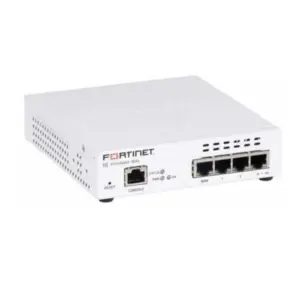
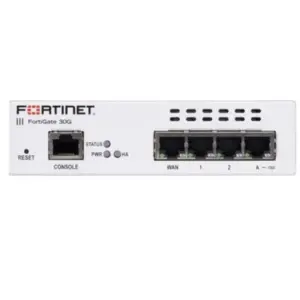
A compact firewall option for small branches that need secure internet access, VPN, SD-WAN and FortiGuard service planning.
FortiGate FG-81F-Bypass
Suitable for buyers reviewing a compact branch firewall with specific continuity, storage or bypass planning questions.
FortiAnalyzer FAZ-800F
Consider central logging, reporting and security analytics when application visibility must support audits or multi-device operations.
FortiSwitch FS-424E-POE
A related option for secure access switching, PoE devices and coordinated branch-network planning around Fortinet infrastructure.
Fortinet Product Range
Browse related Fortinet firewalls, security appliances, wireless products, management tools and service pages.
Why Buyers Choose FourTeck
Security-service procurement often becomes difficult because technical, commercial and administrative details are held by different people. FourTeck helps bring those details into one buying conversation. The aim is to reduce wrong-license purchases, missed renewals, unclear implementation responsibility and quotes that cannot be compared properly.
FourTeck does not rely on unsupported claims about permanent stock, identical delivery times or one price for every FortiGate. The team reviews the requested environment and provides current guidance. This is especially important for subscription products, where the protected serial number, registration status and contract term can determine whether a quotation is usable.
Frequently Asked Questions
What is FortiGuard Application Control used for?
It helps a supported FortiGate identify applications and categories within network traffic so administrators can monitor, allow, block, restrict or apply traffic treatment through an Application Control profile. It is useful for acceptable-use enforcement, bandwidth governance, visibility and risk reduction. The result depends on current entitlement, FortiOS configuration, policy placement and the inspection approach used on the firewall.
Is it a standalone software product?
No. The service is normally consumed through a supported Fortinet security platform, most commonly FortiGate with FortiOS. Buyers should confirm the appliance, software release, contract and bundle before ordering. The service provides application definitions and policy capability, while the firewall performs inspection and enforcement according to its configuration and available performance.
Is the service available in Africa?
FourTeck accepts inquiries across Africa and can assist with entitlement review, quotation, renewal guidance and activation preparation. Availability depends on the FortiGate model, registration, current contract, requested term and procurement route. Share the model and serial number where applicable so the team can identify the correct commercial option rather than provide a generic license response.
Can FourTeck help select the correct license or bundle?
Yes. FourTeck can help compare the current entitlement with the business requirement, confirm the desired term and identify whether Application Control is linked to an existing support contract or broader FortiGuard bundle. Final compatibility and commercial terms are confirmed through the quotation process. Buyers should provide current contract details and the intended policy objective.
Does it block applications automatically after activation?
Activation alone does not create a complete policy. Administrators must configure an Application Control profile, choose actions, attach the profile to the correct firewall policy and test the result. A staged approach is recommended: monitor traffic, identify approved tools, create exceptions and then introduce enforcement. Poorly planned blocking can interrupt legitimate business services.
Will application control affect firewall performance?
Any security inspection can influence real-world throughput, especially when multiple profiles and encrypted-traffic inspection operate together. Review the FortiGate model against the expected traffic mix, user count, WAN speed and full inspection stack. Raw firewall throughput does not represent the same workload as application control combined with IPS, antivirus, web filtering and SSL inspection.
What information is needed for a renewal quote?
Provide the FortiGate model, serial number, current contract or bundle, expiry date, desired term, support expectation, quantity and billing location. It also helps to state whether the request is a simple renewal, a bundle change, an appliance upgrade or part of a multi-site standardisation project. Early preparation reduces the risk of a service gap.
Can it control generative and cloud applications?
Fortinet continues to expand application categories and signatures, including coverage relevant to modern cloud and generative services. Exact recognition and control depend on the application database, FortiOS release, inspection method and traffic behaviour. Buyers should define the specific platforms they want to monitor or restrict and verify the intended policy in a test environment.
Can businesses request multi-device or project supply support?
Yes. Organisations can submit a device list with models, serial numbers, locations, current terms and required renewal dates. FourTeck can help structure the commercial request and identify related firewall, logging or support needs. Multi-device projects benefit from a consistent register because contract terms and appliance ownership records may differ across sites.
Need Help Choosing the Right Application Control Option?
FourTeck can help review the FortiGate model, current contract, required term, policy objective, deployment scope and regional procurement requirements. Share the available device details and renewal deadline for a more accurate response.
Reviews
There are no reviews yet.